


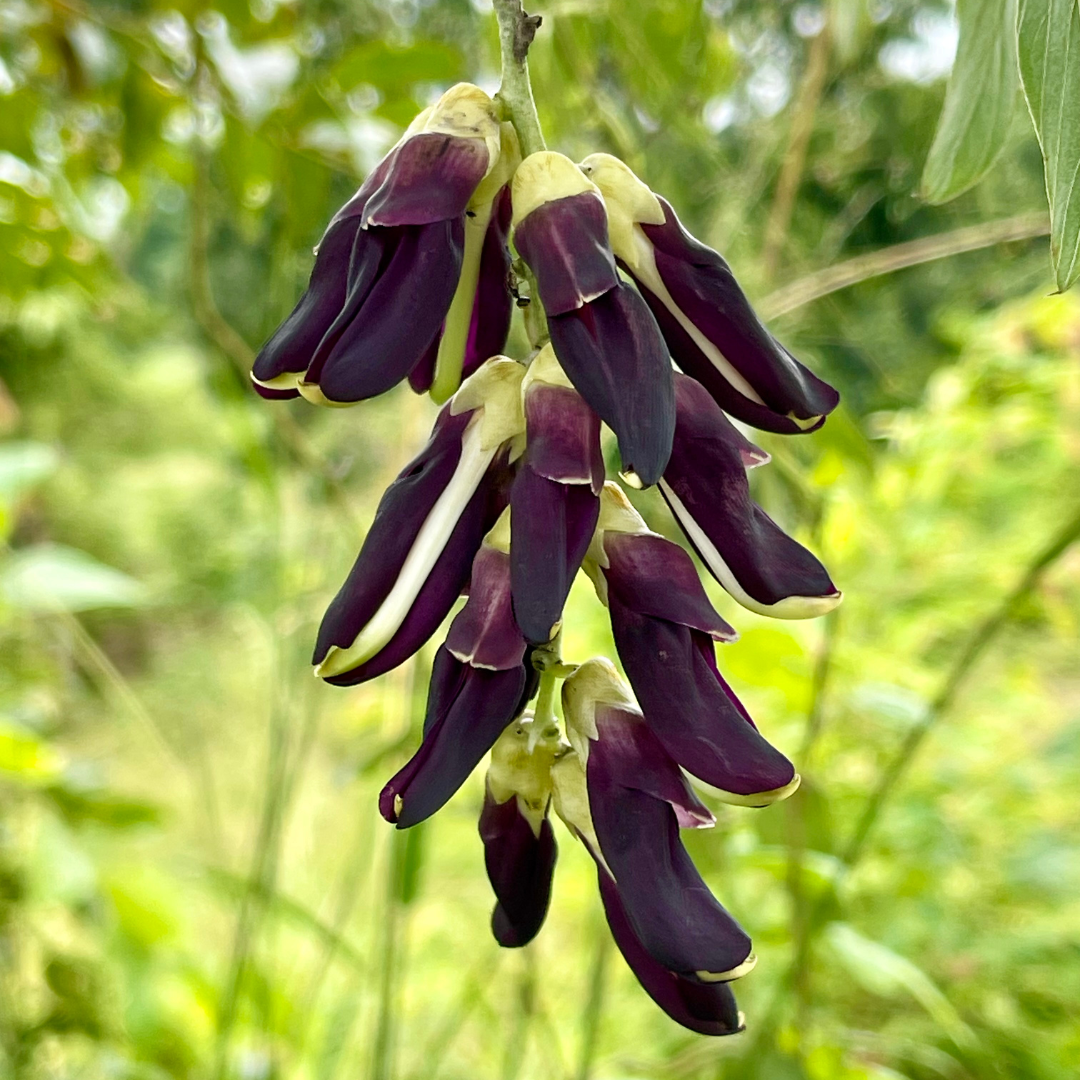
Standardising the velvet bean: University of Florida researchers move from traditional use to medical validation
April 25, 2026
While many people with Parkinson’s have been aware of the velvet bean (Mucuna pruriens) for years—often using it as a supplement to manage their symptoms—a new study from the University of Florida is shifting the focus from "alternative remedy" to "standardised medicine." The research acknowledges that while the plant’s high natural concentration of levodopa is well-known, using it safely and effectively in a clinical setting remains a significant challenge.
The primary issue for those who currently use the bean is consistency. Because it is a plant, the amount of levodopa in one batch of seeds can be vastly different from the next, depending on the soil and climate where it was grown. The University of Florida team is working to create a standardised version of the bean, ensuring that every dose contains the exact amount of active ingredient needed to manage symptoms without causing toxicity.
What is truly new about this research is the investigation into the bean's "hidden" compounds. Scientists suspect that the velvet bean contains natural elements that act similarly to carbidopa, the drug usually paired with synthetic levodopa to prevent it from breaking down too early in the body. By identifying these specific plant chemicals, researchers hope to understand why many people report fewer side effects, such as involuntary movements, when using the bean compared to traditional tablets.
The study is also exploring the bean's high levels of antioxidants and other nutrients, such as glutathione and CoQ10, which are vital for brain health. This "synergy" of ingredients might offer a layer of protection for brain cells that synthetic drugs cannot provide. By validating these benefits through rigorous testing, the researchers aim to provide a low-cost, sustainable treatment option that is scientifically proven to be as reliable as any pharmacy-grade medication.
Comments (0)
Loading comments...