


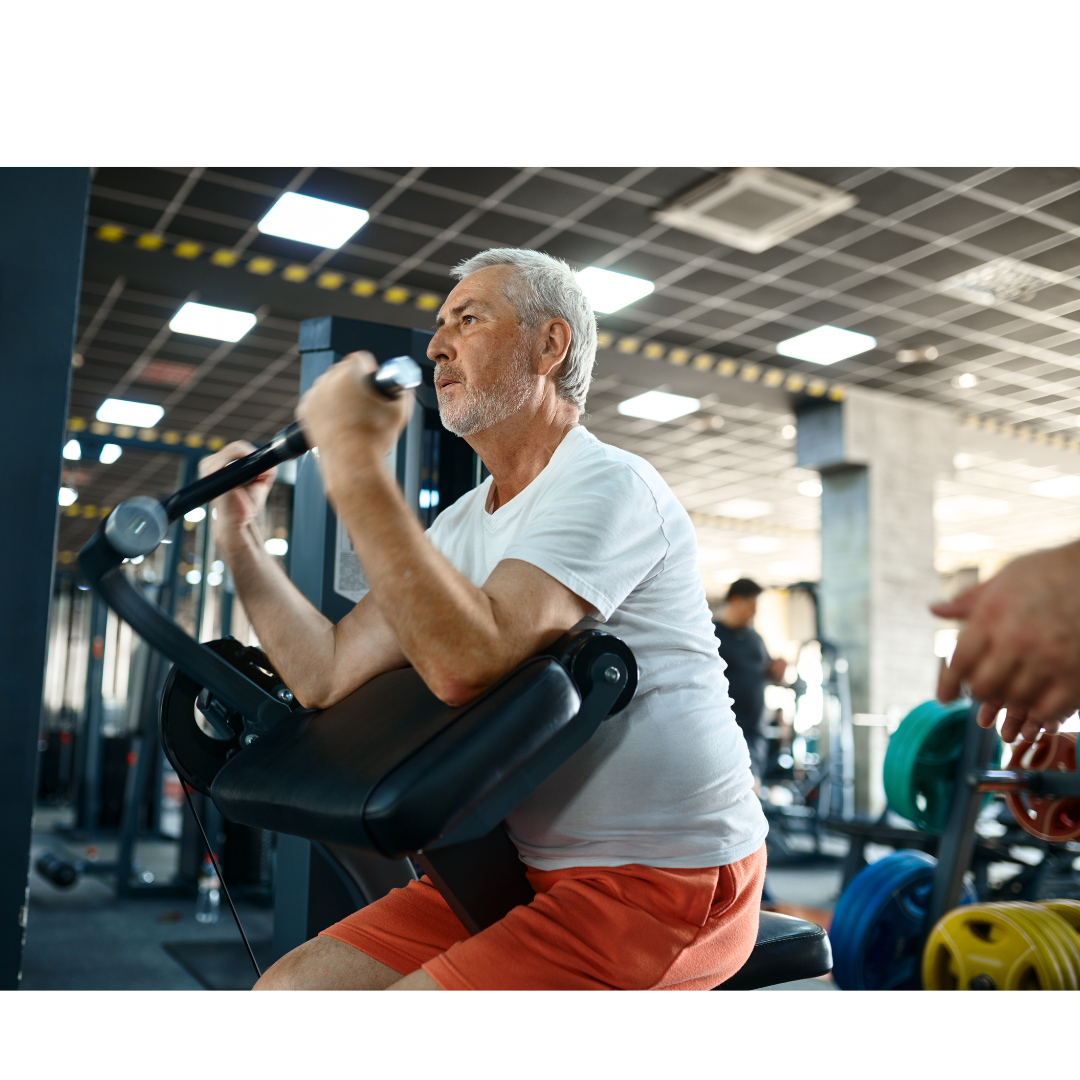
High-intensity Exercise May Reverse Neurodegeneration in Parkinson’s Disease
October 21, 2024
A recent small study suggests that intense exercise could not only slow down but possibly even reverse brain damage caused by Parkinson’s disease (PD). Earlier research has shown that exercise can help improve PD symptoms, but this new study is the first to show that it might also lead to changes in the brain itself.
The study involved 10 people with PD who participated in a six-month high-intensity aerobic exercise program. Brain scans before and after the program revealed that their dopamine-producing brain cells became healthier and sent stronger signals after the exercise. Dopamine is a chemical that helps brain cells communicate and is important for controlling movement. In Parkinson’s, these cells are damaged or destroyed, leading to the disease’s symptoms.
Medications currently available for Parkinson’s only treat symptoms—they don’t stop the disease from progressing. But this study suggests that exercise might do more than that by protecting the brain cells directly.
Dr. Evan D. Morris, one of the study’s lead researchers, explained that this is the first time scientists have used imaging to prove that intense exercise can actually change the biology of the brain in Parkinson’s patients.
Exercise is already known to be an important part of Parkinson’s treatment. Some gyms even offer special exercise programs for people with the condition. For example, Michelle Hespeler, who has PD herself, created a program called Beat Parkinson’s Today, combining high-intensity training with the needs of PD patients.
Previous research had already shown that doing intense exercise, like reaching 80-85% of your maximum heart rate three times a week, can lessen PD’s motor symptoms. The Yale team used these earlier studies as a model for their own research.
The study involved 10 participants with early-stage PD, who first went through a two-week trial period to ensure they could handle the workout intensity. After this, they had brain scans to measure dopamine levels. After completing six months of high-intensity exercise classes, which took place online due to COVID-19, the participants had new scans.
The results showed a surprising improvement in the brain: dopamine-producing neurons became healthier, and the brain produced stronger signals. This suggests that exercise not only slowed the brain’s deterioration but helped repair it.
Dr. Bart de Laat, the study’s lead author, said they expected the brain scans to show a slowdown in damage, but instead, they saw an increase in brain health in nine out of 10 people. This was an unexpected and remarkable result.
The study highlights the potential of exercise to do more than just manage Parkinson’s symptoms—it may also protect and heal the brain. However, more research is needed to fully understand these effects. Since Parkinson’s is the fastest-growing neurological disorder, affecting millions worldwide, these findings are promising and could help reduce the disease's impact. As Dr. Sule Tinaz explains, exercise is affordable, accessible, and safe (with a doctor’s approval), and if it can protect the brain, that’s something worth celebrating and exploring further.
Comments (0)
Loading comments...