


'Genetic Switch' That Could Predict Parkinson’s Progression
January 20, 2026
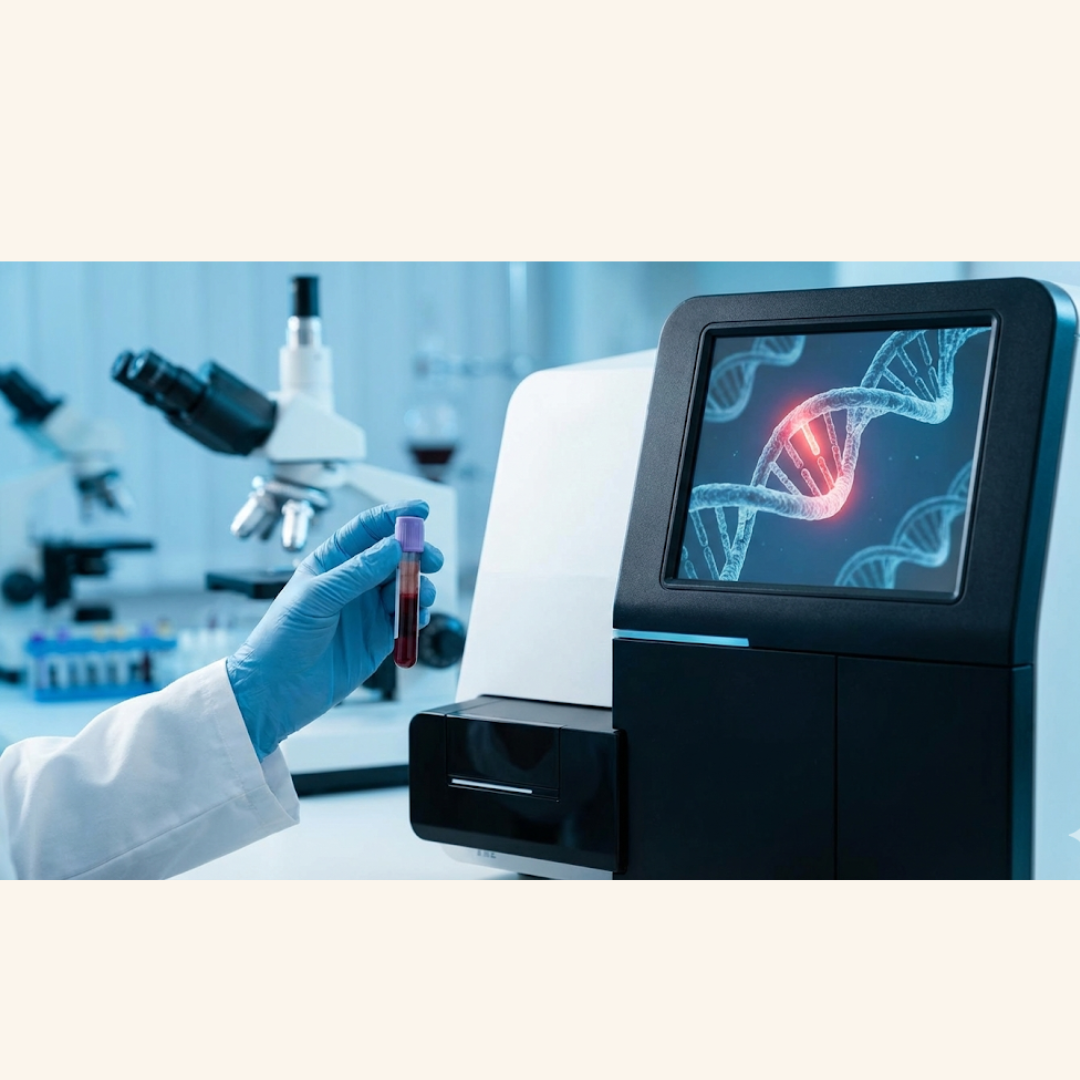
New research published this week has identified a specific microscopic molecule in the blood that could serve as a powerful new tool for diagnosing Parkinson’s and, crucially, predicting the risk of cognitive decline. The study, conducted by a team of researchers including Huseyin Enes Candan, focused on a "microRNA"—a tiny strand of genetic material that acts like a switch, turning other genes on or off.
For years, the search for a reliable "biomarker"—a simple blood test that can objectively confirm the condition—has been the Holy Grail of research. Currently, diagnosis relies heavily on observing physical movements, which often means the condition has already progressed significantly by the time it is identified. This new study suggests that measuring the levels of a specific molecule, known as miR-431-5p, could change that.
The researchers compared blood samples from 92 people with Parkinson’s against 100 healthy individuals. They discovered that levels of this specific microRNA were significantly lower in those with the condition. It appears that in a healthy brain, this molecule acts as a crucial "brake," keeping a protein called SOX9 in check. When levels of the microRNA drop, this protein becomes overactive, triggering inflammation and oxidative stress—essentially, the biological "rust" that damages brain cells.
Perhaps the most significant finding for our community was the link to cognitive health. The study found that levels of this molecule were even lower in participants who were experiencing cognitive impairment compared to those who were not. This suggests that a simple blood test could one day tell us not just if a person has Parkinson’s, but also flag if they are at higher risk for memory and thinking challenges, allowing for earlier intervention.
The team didn't stop at diagnosis. In laboratory tests, they found that when they artificially replenished the levels of this microRNA in nerve cells, it successfully reversed the cellular damage. It stopped the inflammation and protected the cells from dying. This points to a fascinating future possibility: that we might eventually treat the condition not just by replacing dopamine, but by using "gene therapy" to turn these protective genetic switches back on. While this is still in the early stages of research, it offers a promising glimpse into a future where we can track and treat the condition with far greater precision.
Comments (0)
Loading comments...