


Mastering the Mind: Stress Management Strategies for Parkinson’s
March 25, 2026
Living with Parkinson’s introduces a unique set of stressors, from managing physical symptoms to navigating the emotional impact of a chronic condition. In a recent landmark webinar hosted by the Parkinson's Support Center of Northern Nevada (PSCNN), trauma recovery specialist Jolyn Armstrong shared essential mind-body strategies designed to help people with Parkinson's and their caregivers regain control over their nervous systems.
Understanding the Nervous System
To manage stress effectively, it helps to understand the Autonomic Nervous System (ANS), which governs our involuntary responses. It operates in three primary states:
Safety and Connection: This is the calm, grounded state where our heart rate is steady, digestion is optimal, and we feel socially engaged.
Fight or Flight: The sympathetic system's response to perceived danger. Heart rate and breathing quicken as the body is flooded with cortisol and adrenaline.
Freeze or Collapse: A state of "playing dead" when stress becomes overwhelming. This can manifest as being unable to get out of bed, a lack of social interaction, or feeling "shut down."
In Parkinson’s, the biological loss of dopamine directly impacts these pathways, often leading to anxiety, apathy, and depression. These aren't just emotional reactions to a diagnosis; they are physiological symptoms of the condition itself.
The Dopamine Support Menu
When you are overwhelmed, it is difficult to think of ways to feel better. Jolyn suggests creating a "Dopamine Support Menu"—a pre-written list of activities categorized by the effort required. While these don't replace the dopamine lost to Parkinson's, they support remaining pathways and build resilience.
Small and Simple: Step outside for five minutes, play a favourite song, or do a gentle chair stretch.
Restorative: Listen to calming music, sit near others without pressure to talk, or practice self-compassion.
Nourishing: Create art, write in a journal, or have a quiet coffee with a trusted person.
The Power of Mindfulness and Breathwork
Mindfulness is a core technique for separating yourself from racing thoughts. One effective practice is "Boats on a River," where you imagine placing each thought into a small boat and watching it float away. The goal isn't to stop the thoughts, but to observe them without becoming entangled, which calms the mental "noise."
Because breathing is one of the few autonomic functions we can consciously control, it serves as a bridge to a calm state.
Box Breathing: Imagine a square. Inhale for 4 counts along one side, hold for 4, exhale for 4, and hold for 4. This is a powerful "rescue" technique for high-stress moments.
The Power of Threes: For a panic attack, take three deep belly breaths to lower your heart rate. Then, name three items you see around you to ground yourself in safety. Finally, name three positive qualities about yourself to re-engage the rational part of your brain.
Movement as Resilience
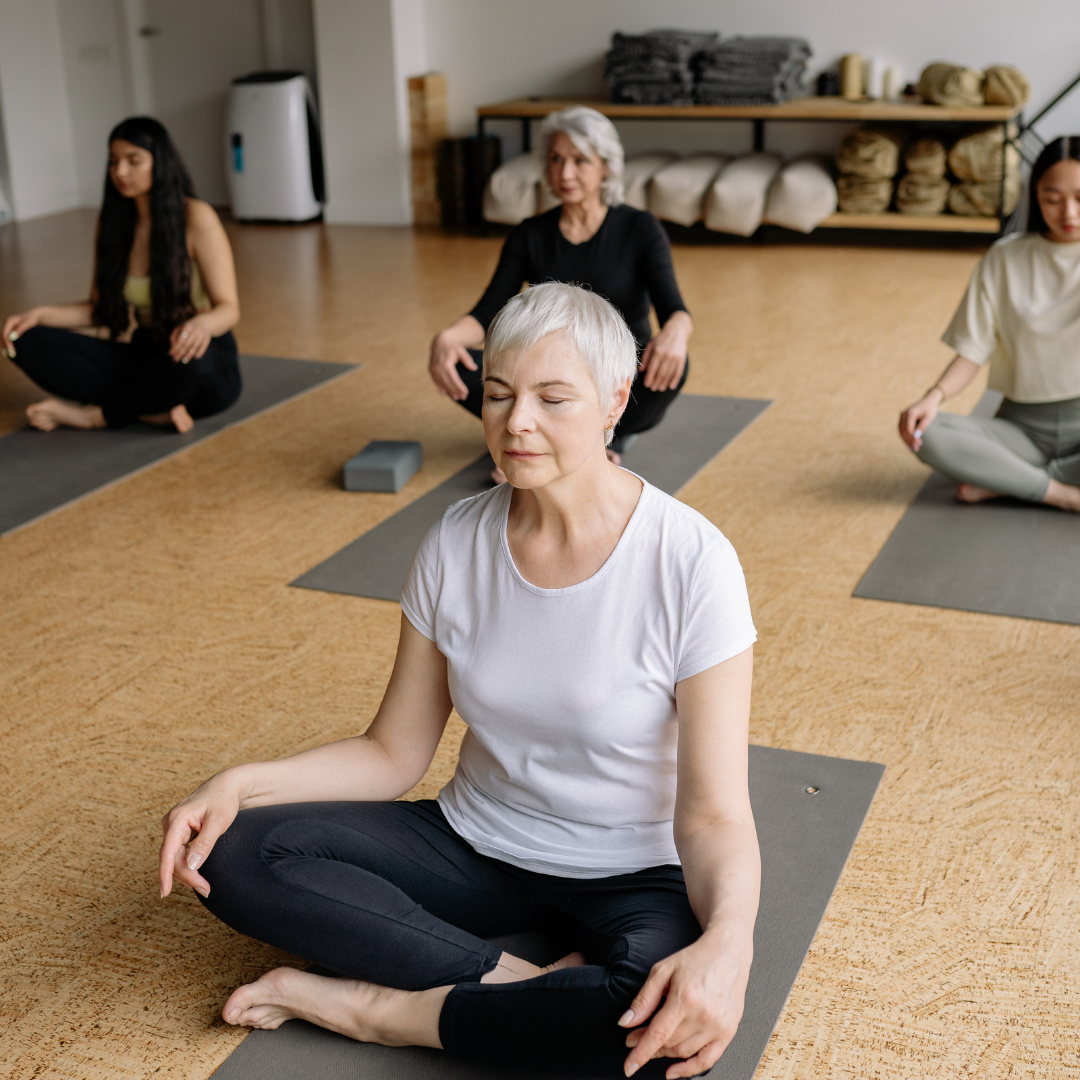
Intentional body movement, such as Yoga, Tai Chi, or boxing, does more than just help with physical balance. By putting the body under controlled physical stress and then entering a state of rest, you teach your nervous system resilience. Exercise remains the only intervention known to slow the progression of Parkinson’s, making it a cornerstone of both physical and mental health.
Community and Connection
Connecting with other humans is critical for emotional and cognitive health. When attending a support group feels like too much, start small. Text a friend or invite someone to watch a film quietly. These small acts of connection help move the nervous system out of "freeze" mode and back into a state of safety.
For those interested in exploring these techniques further, Jolyn Armstrong’s webinar and the resources from the Stanford Parkinson’s community offer numerous virtual classes, ranging from art therapy and meditation to specialized exercise programmes that can be practiced at home.
Comments (0)
Loading comments...