


Restoring Balance: How a Simple Amino Acid Could Clear Alpha-Synuclein
March 17, 2026
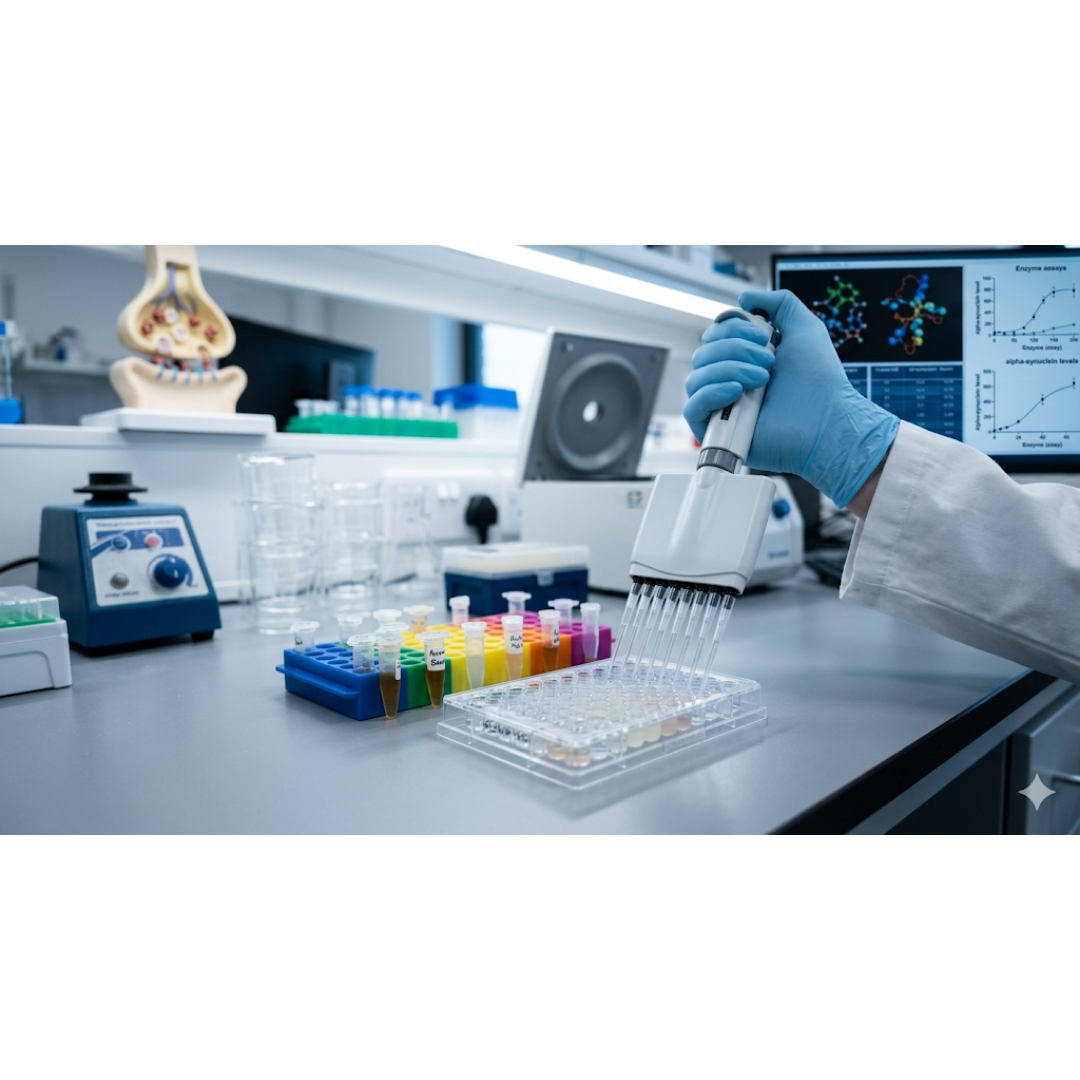
A modified version of a common amino acid, N-acetyl-L-leucine, is showing significant promise in cleaning up the "protein clutter" that slows down brain cells. Recent research published in The Journal of Clinical Investigation (thank you Mr Green for finding this publication) reveals that this compound can lower the levels of toxic alpha-synuclein and help restoring the vital connections between neurons.
The study focuses on the health of our synapses—the tiny gaps where brain cells "talk" to one another. In the brains of people with the condition, the buildup of alpha-synuclein acts like static on a radio line, disrupting these conversations and eventually leading to the loss of dopamine-producing cells. Researchers found that N-acetyl-L-leucine works by boosting the cell's natural waste-disposal system, specifically targeting the lysosomes that are responsible for breaking down and recycling old proteins.
In various models of the condition, including those involving the GBA genetic mutation, this treatment demonstrated a remarkable ability to protect neurons. By clearing out the accumulated alpha-synuclein, the compound allowed synapses to function properly again, restoring the electrical signals that control movement and coordination. This suggests that the therapy acts as a smarter shield, protecting the "whole person" by maintaining the integrity of the brain's internal communication network.
One of the most encouraging aspects of N-acetyl-L-leucine is its safety profile. Because it is a derivative of a naturally occurring amino acid and has already been used in other neurological contexts, it may have a faster path through clinical development than entirely new synthetic drugs. This research represents a move toward precision medicine that targets the root cause of cellular decline rather than just acting as a "band-aid" for symptoms.
By focusing on restoring synaptic health and clearing toxic protein buildup, science is opening a more durable pathway for care. This discovery offers great hope that we can one day move beyond simply managing tremors and stiffness, toward a future where we can preserve the very cells and connections that keep us moving and thinking clearly.
Comments (0)
Loading comments...