


Can cosmic rays and radiation shed light on Parkinson's biology
October 16, 2026
 Beatrice
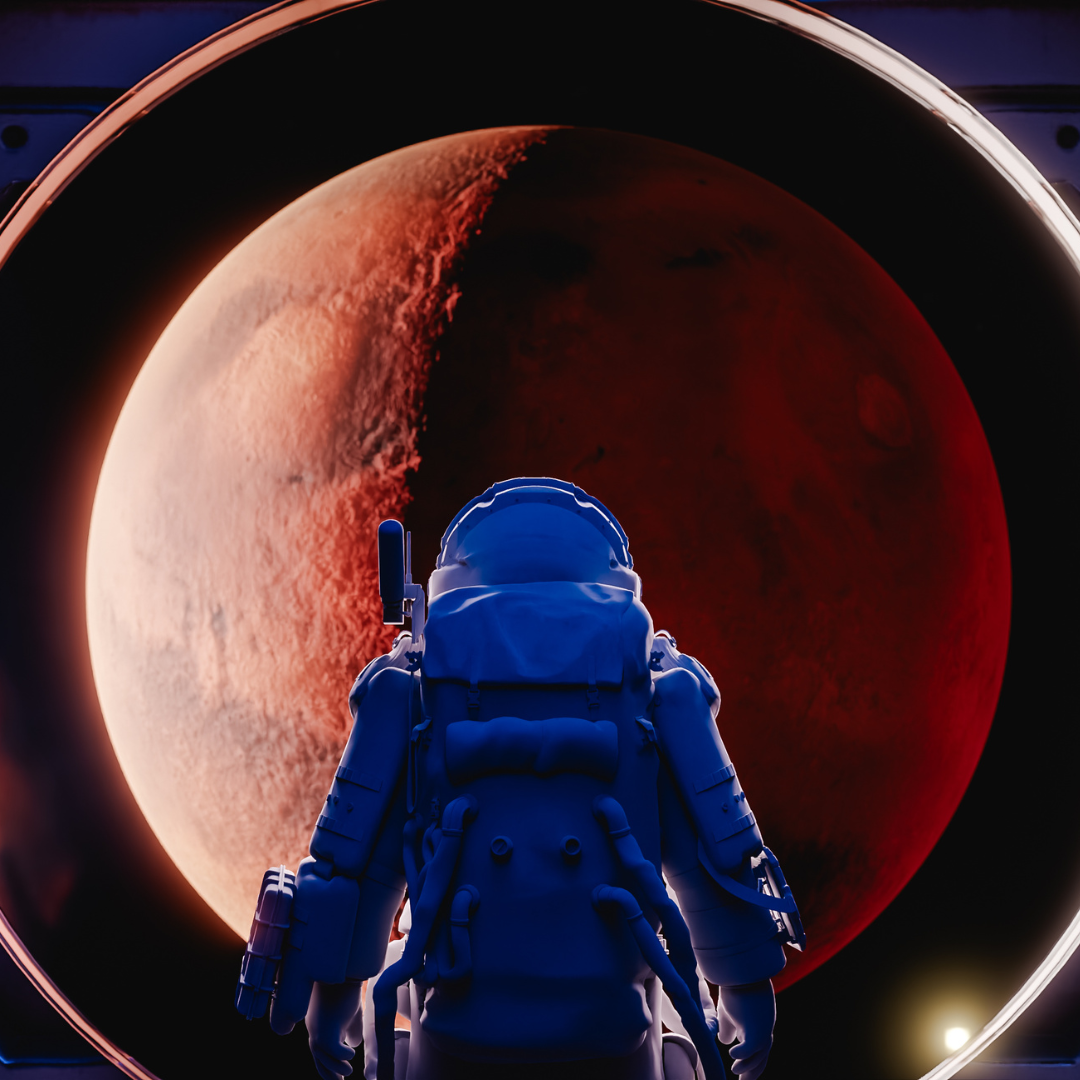
When space researchers began calculating the risks of deep space voyages to the Moon and Mars, their main focus was cosmic radiation. Yet, looking closely at how radiation interacts with delicate brain tissues has led scientists to a surprising earthly parallel: the cellular mechanics seen in Parkinson's.
Population studies looking at people with long term occupational exposure on Earth, such as workers in nuclear facilities, have shown a modest statistical association with higher rates of Parkinson's. While an association in health data does not prove that radiation causes the condition, it prompted scientists to look under the microscope at what might be happening.
What they uncovered is a striking overlap in how both radiation and Parkinson's affect our cells.
Radiation puts immediate strain on mitochondria, the tiny internal batteries that supply energy to brain cells. Dopamine producing neurons in the brain work exceptionally hard and have enormous energy demands, which means any disruption to their power supply leaves them uniquely vulnerable.
At the same time, radiation stirs up the brain's resident immune cells, known as microglia. When these cells remain constantly on alert, the prolonged inflammation interferes with natural cellular recycling, making it much harder for cells to clear away clumping proteins.
A third fascinating factor is iron. The brain area rich in dopamine naturally stores higher levels of iron than other regions. When reactive particles from radiation meet stored iron, they trigger a cascade of chemical stress that damages delicate fats and cell membranes.
None of this means radiation is a direct cause of Parkinson's. The condition is deeply personal and complex, shaped by a blend of genetic background, natural ageing, and environmental encounters over decades. Instead, scientists view radiation as a powerful magnifying glass. By studying how cosmic particles strain mitochondria and dopamine circuits in the laboratory, researchers hope to uncover shared protective mechanisms, helping safeguard deep space explorers while opening up fresh insights into protecting our brain cells here on Earth.
Comments (0)
Loading comments...