


Shifts in gut bile acids offer a new way to track how Parkinson's changes over time
June 19, 2026
 Beatrice
A major new clinical study has mapped out exactly how the chemistry in the gut changes as Parkinson's progresses, offering a fresh look at the link between digestive health and the brain. The research, published in the scientific journal Biomolecules, tracked the levels of bile acids over several years to see how they evolve alongside the condition.
Most people know bile acids as the digestive fluids produced by the liver to help digest fats. However, scientists now know they also act as crucial chemical messengers. They travel throughout the body to control inflammation, regulate metabolism, and protect brain cells. This study discovered that the delicate balance of these acids becomes highly disrupted in people with Parkinson's, and this disruption shifts predictably over time.
To understand how this happens, it helps to look at how the body creates these chemicals. The liver first makes "primary" bile acids. When these travel down into the intestines, beneficial gut bacteria break them down and transform them into "secondary" bile acids. Many of these secondary types are incredibly beneficial because they are neuroprotective, meaning they help shield nerve cells from stress and damage.
The researchers found that as Parkinson's advances, this chemical factory breaks down. The helpful gut bacteria seem to lose their ability to convert those primary acids into the protective secondary versions. Because of this, the levels of the brain-shielding bile acids drop significantly over the years, while the more irritating, inflammatory types are left to build up.
This chemical imbalance does not just affect digestion. When the protective bile acids disappear, the gut lining can become more vulnerable, allowing low grade inflammation to develop. Because the gut and the brain are constantly talking to each other through a network of nerves, this intestinal inflammation can ripple upward, potentially influencing how the condition changes over time.
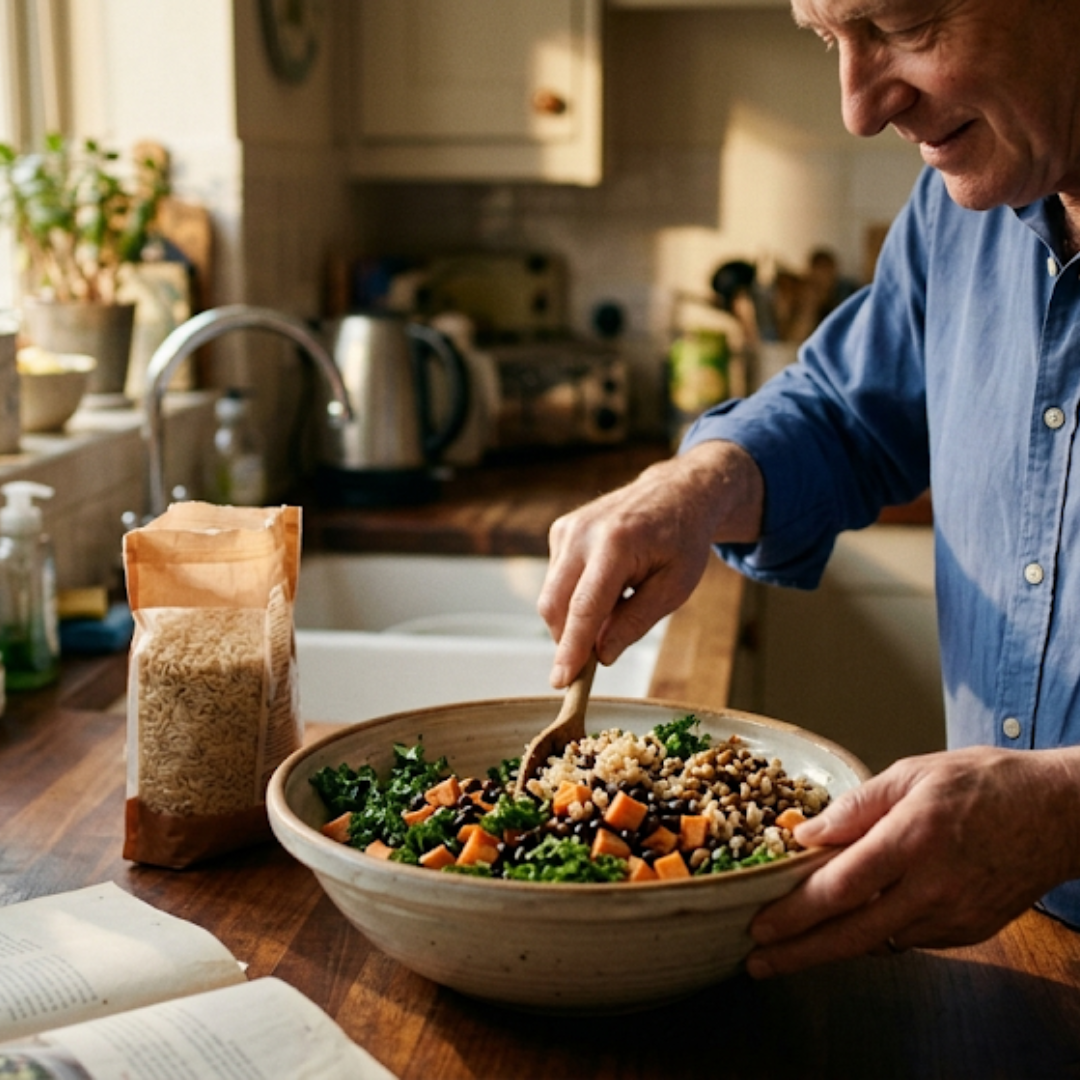
While these findings help explain the inner workings of the gut brain connection, they also highlight practical steps you can take today to protect your digestive ecosystem. Since the drop in neuroprotective bile acids is directly linked to a loss of beneficial gut bacteria, supporting those microscopic allies is key. Focusing on a diet rich in diverse plant fibres and anti-inflammatory polyphenols acts as a direct fuel source for the specific bacteria responsible for creating those protective secondary bile acids. Enjoying foods like high-fibre grains, a wide variety of vegetables, and polyphenol-rich options like green tea and extra virgin olive oil helps nourish a resilient microbiome. By actively feeding the friendly bacteria, you are supporting the very chemical factory the body relies on to keep inflammation at bay and protect your neurological well-being.
Comments (0)
Loading comments...