


Researchers have identified a cellular loop that drives Parkinson's progress and points towards combined treatment strategies
June 3, 2026
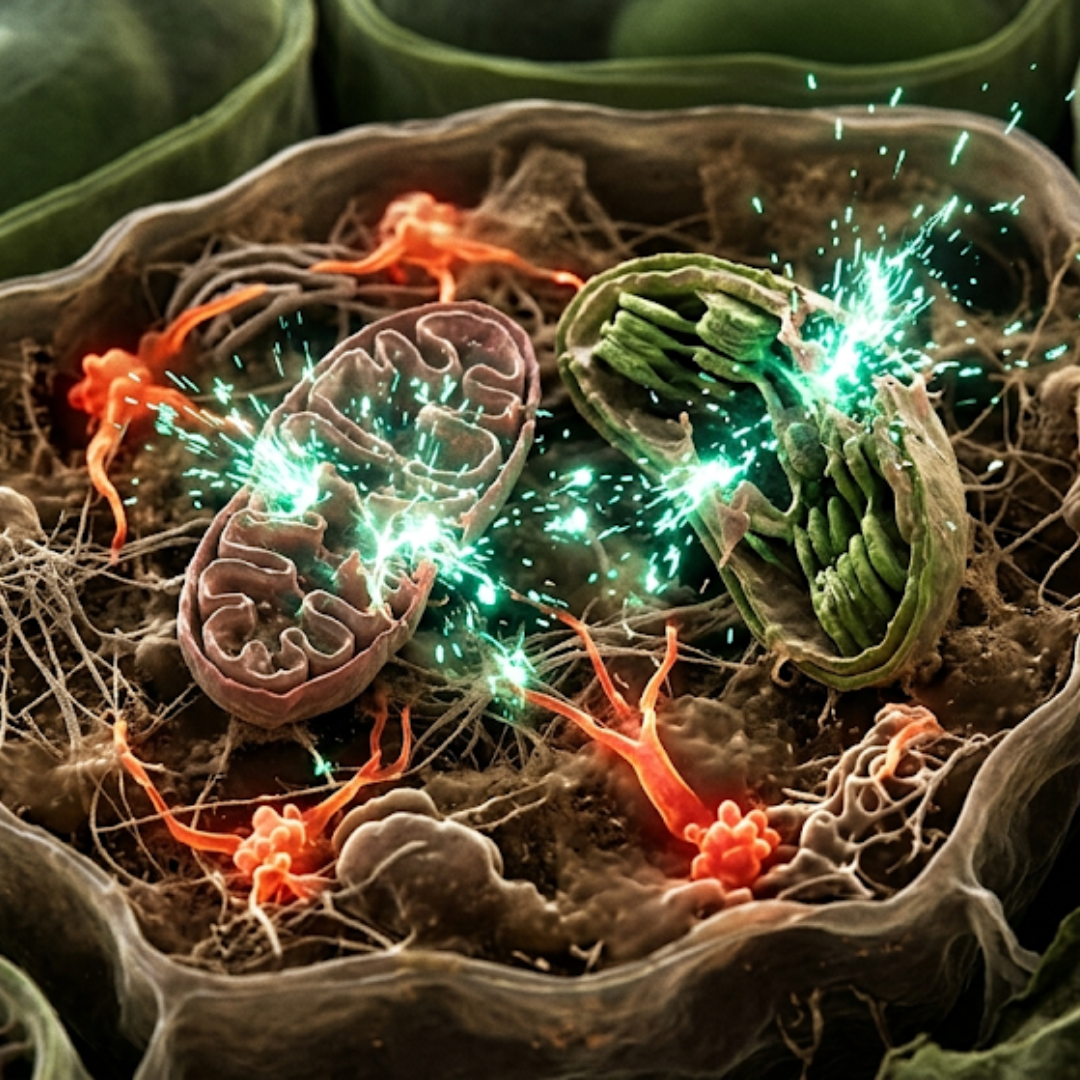
A scientific review from the Heilongjiang University of Chinese Medicine reveals that Parkinson's progresses through a continuous loop of three cellular problems that constantly trigger each other. Instead of working in isolation, alpha synuclein protein clumps, failing cellular energy plants, and brain inflammation form a destructive network. This cellular loop explains why treatments targeting just one of these issues often fail, and it shows why a combination approach is needed to protect brain cells.
The cycle starts with alpha synuclein, a protein that usually helps brain cells talk to one another. In Parkinson's, this protein changes shape and sticks together to form toxic clumps. The review explains that these clumps actively damage mitochondria, which are the tiny power generators providing energy to our cells. When alpha synuclein attaches to these power generators, it stops them from producing energy and causes them to leak toxic chemicals inside the cell.
This energy failure directly triggers the second part of the loop, which is chronic brain inflammation. When the damaged power generators leak their internal components, the brain's built-in immune cells mistake these leaks for an infection or injury. The immune cells switch into emergency mode and release inflammatory chemicals. While this response is meant to protect the brain, it actually causes ongoing damage to healthy neighboring brain cells when it goes on for too long.
The final link in the chain shows how this inflammation completes the loop. The harsh environment created by the immune response damages the waste disposal systems that cells use to clean up rubbish. Without a working clean up crew, the brain can no longer clear away damaged proteins, causing even more alpha synuclein to misfold and clump together. This brings the cycle back to the beginning, creating a self sustaining loop where protein clumps ruin the energy supply, causing inflammation that ultimately creates more protein clumps.
Understanding that these three problems are locked in a continuous loop shifts how researchers look for treatments. The authors suggest that instead of trying to find one single drug to clear out alpha synuclein, future treatments need to strike the loop from multiple sides at once. Combining therapies that shield cellular energy generators with treatments that quieten down the overactive immune response could be the key to breaking the cycle and slowing down the progression of Parkinson's.
Comments (0)
Loading comments...