


A new study reveals how changing light and glare affect contrast vision for people with Parkinson's
May 29, 2026
When thinking about how Parkinson's affects vision, it is easy to focus on general sharpness. However, a new study from Spain highlights a different challenge: contrast sensitivity. This is the brain and eye's ability to tell an object apart from its background, like spotting a dark grey kerb against a grey pavement. The researchers found that people with the condition experience a major drop in this type of vision, a discovery that has serious real-world implications for safety, particularly when driving at night.
To understand how different lighting changes what we see, the research team looked at seventy-one people with Parkinson's and ninety-seven healthy individuals of a similar age. They tested everyone across six different lighting setups. These ranged from bright daytime conditions to dim evening light. They also added two specific levels of LED glare: "discomfort glare," which causes annoyance, and "disability glare," which actively interferes with vision.
The results showed a clear and significant divide. People with the condition found it much harder to see contrasts in every single one of the six lighting environments compared to the healthy group. The absolute biggest struggle happened in dim, evening light combined with mild glare.
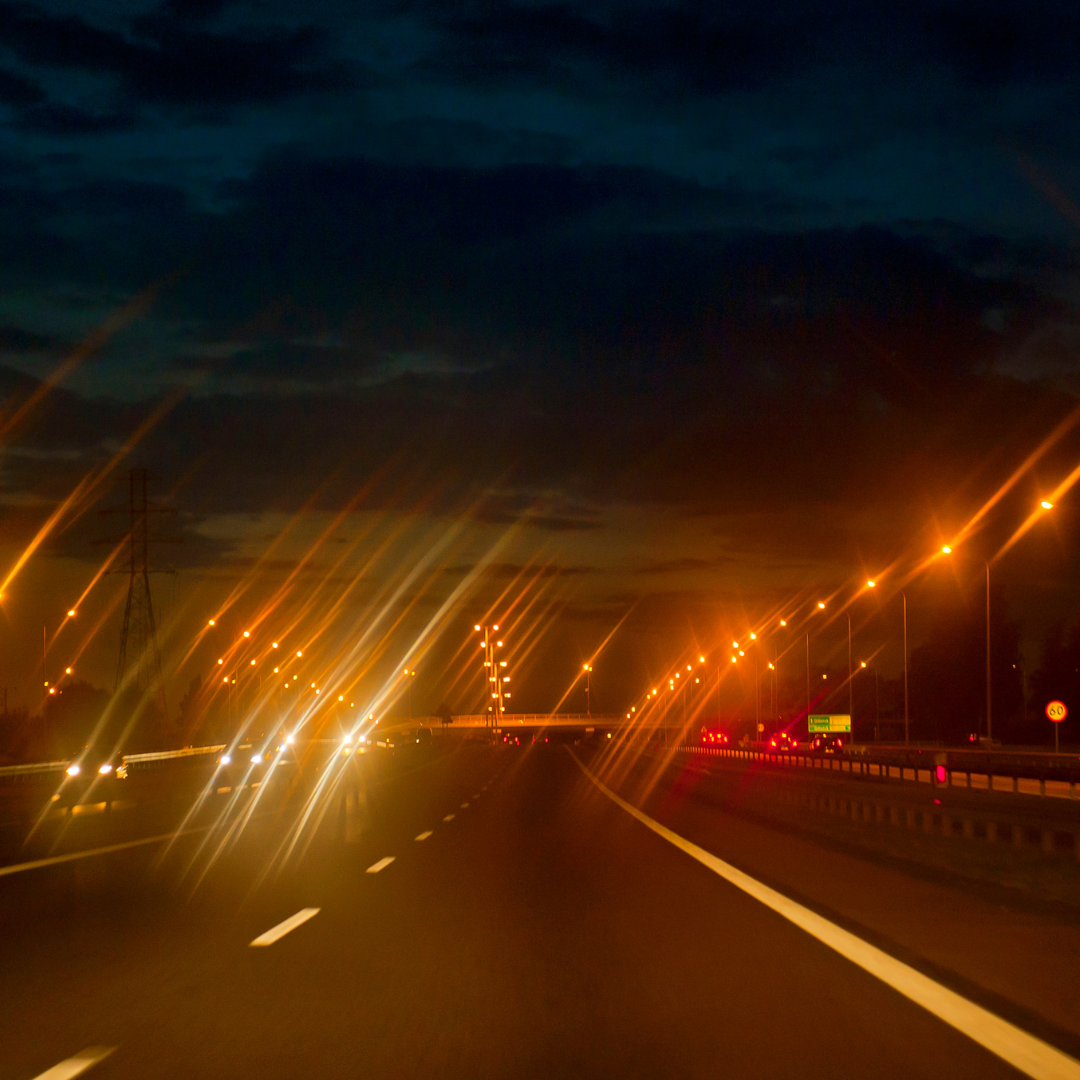
This specific combination mimics exactly what happens during night driving, where a motorist must constantly deal with low ambient light whilst facing the sudden, bright glare of oncoming LED headlights. Because the study showed such a stark drop in contrast vision under these exact conditions, it emphasizes that driving at night could be far more risky for people with the condition. Faded lane markings, pedestrians in dark clothing, or unexpected obstacles can easily blend into the background and become nearly invisible.
The study also noted that whilst contrast vision naturally declines as the condition progresses, older age plays a major role too. By showing exactly how glare and low light disrupt vision, the researchers hope to help doctors better test for these specific visual changes, allowing people to make safer, more informed choices about navigating their surroundings after dark.
Comments (0)
Loading comments...