


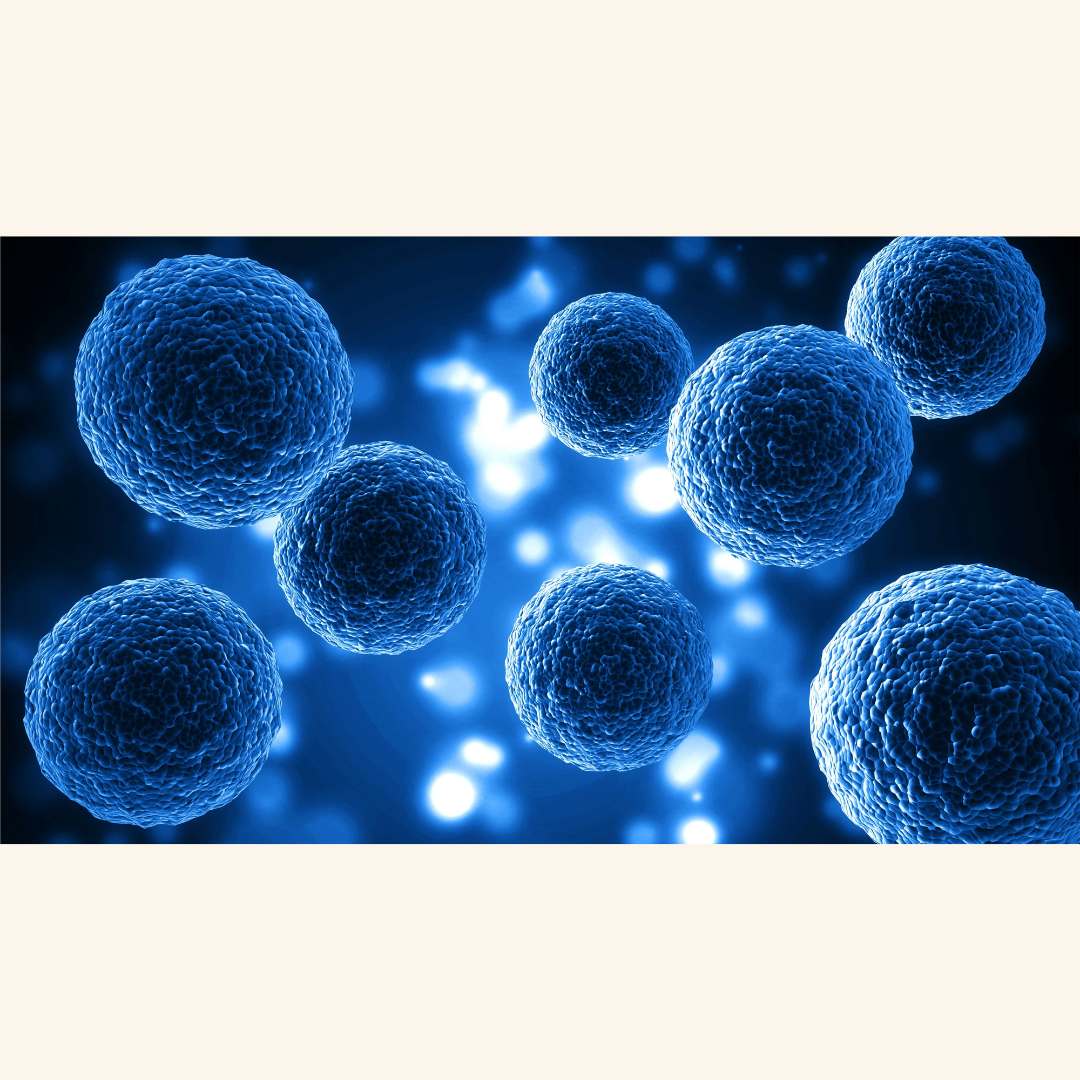
Japan Approves World’s First Stem Cell Treatment for Parkinson’s
March 7, 2026
n a historic milestone for regenerative medicine, the Japanese government has granted conditional approval for the commercial use of a stem cell-based treatment for Parkinson’s. The decision, announced on Friday 6th March 2026, marks the first time in the world that a therapy derived from induced pluripotent stem (iPS) cells has been cleared for sale to treat the condition.
A New Way to Restore Dopamine
The treatment, known as Amchepry, was developed through a partnership between Sumitomo Pharma and Kyoto University. It works by taking iPS cells—which can be grown into almost any type of human cell—and turning them into the precursors of dopamine-producing neurons. In people with the condition, these specific neurons gradually die off, leading to symptoms like tremors, stiffness, and difficulty walking.
Unlike traditional medications that only temporarily replace missing dopamine, this therapy involves transplanting these lab-grown cells directly into the brain. The goal is to replace the lost cells and restore the brain's natural ability to produce dopamine.
Promising Results from Clinical Trials
The approval follows a physician-led clinical trial at Kyoto University Hospital involving seven people between the ages of 50 and 69. During the study, participants received either five million or ten million of these specialized cells, which were implanted on both sides of the brain.
The results were encouraging, showing that the procedure was safe with no major adverse effects during a two-year monitoring period. Crucially, four of the participants showed noticeable improvements in their motor symptoms. Brain scans also confirmed that the transplanted cells survived and continued to produce dopamine long after the surgery.
What This Means for Availability
The Japanese health ministry has granted what is known as "conditional and time-limited approval." This functions as a provisional license, allowing the treatment to reach the community as quickly as possible while researchers continue to gather data. The manufacturers now have seven years to prove the long-term effectiveness of the therapy to secure full, permanent approval.
While the treatment is expected to be available in Japan as early as this summer, there are still several steps to complete:
Pricing and Insurance: Government officials are currently discussing the cost and whether it will be covered by Japan’s public health insurance.
Specialised Facilities: Only specific medical centres with the necessary expertise and equipment will be able to perform the transplants.
Wider Reach: While currently limited to Japan, the health minister expressed hope that this breakthrough will eventually save people around the world.
This approval is the culmination of decades of research, beginning with the Nobel Prize-winning discovery of iPS cells by Professor Shinya Yamanaka in 2006. It represents a shift from merely managing symptoms to potentially repairing the underlying damage caused by the condition, offering a new sense of hope for the millions of people living with Parkinson’s globally.
Comments (0)
Loading comments...