


Researchers find ankle nerve stimulation relaxes the bladder in Parkinson's but gives mixed daily relief
August 25, 2026
 Beatrice
Bladder troubles are a common and frustrating part of living with Parkinson's. Many people struggle with sudden urges to go, frequent toilet trips, interrupted sleep at night, or accidental leaks. Standard medications do not always help and can cause unwanted side effects, which is why scientists have been exploring a gentle therapy called tibial nerve stimulation.
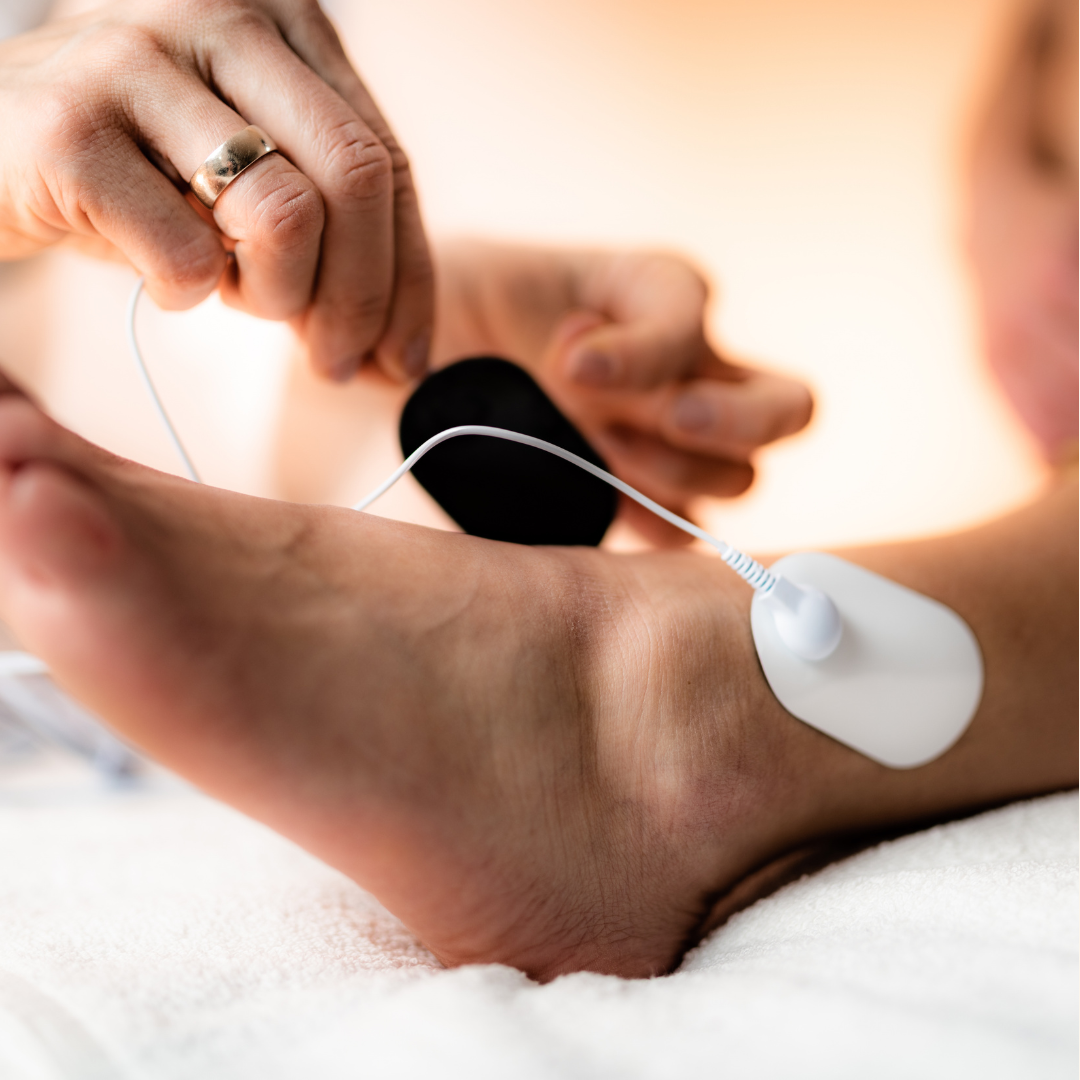
The treatment works using a clever biological shortcut. A specialist places sticky pads or a tiny, temporary needle near the inside of the ankle to send mild electrical pulses through the tibial nerve. Because this nerve shares a communication highway in the lower spine with the bladder, these gentle pulses travel upward and help calm down overactive bladder signals.
To see how well this works, researchers combined the data from seven clinical studies involving nearly 600 people with Parkinson's. When doctors ran physical tests on the bladder itself, the results were very encouraging. The stimulation helped the bladder hold about 90 millilitres more urine and significantly delayed the sudden, involuntary spasms that make you feel like you must rush to the toilet immediately. It also lowered overall pressure inside the bladder.
Daily life, however, proved more complicated. While the physical tests showed clear improvements inside the body, people did not consistently report fewer trips to the toilet or fewer night time wake ups in their day to day routines. The researchers also found that how long someone had lived with Parkinson's made no difference to how the bladder physically responded to the pulses.
This therapy clearly helps the bladder muscle relax and store more fluid, but translating those physical gains into noticeable, everyday comfort is still tricky. Scientists agree that larger, longer studies are needed to work out the best way to turn these physical benefits into reliable daily relief.
Comments (0)
Loading comments...