


Blue light therapy glasses improve nighttime rest and daytime alertness for people with Parkinson's in a randomised trial
September 10, 2026
 Beatrice
Sleep difficulties present a daily challenge for many people living with Parkinson's. Broken nights, frequent waking, and overwhelming drowsiness during daylight hours can deeply affect energy levels, mood, and daily independence. Whilst medications play an essential role in daily life, researchers have increasingly looked towards non-drug approaches that work alongside the body's natural internal clock.
A newly published clinical study led by Dr Katarzyna Śmiłowska, alongside Nienke de Vries, Bastiaan Bloem, and Daniel van Wamelen, explored whether wearable blue light therapy could offer meaningful relief.
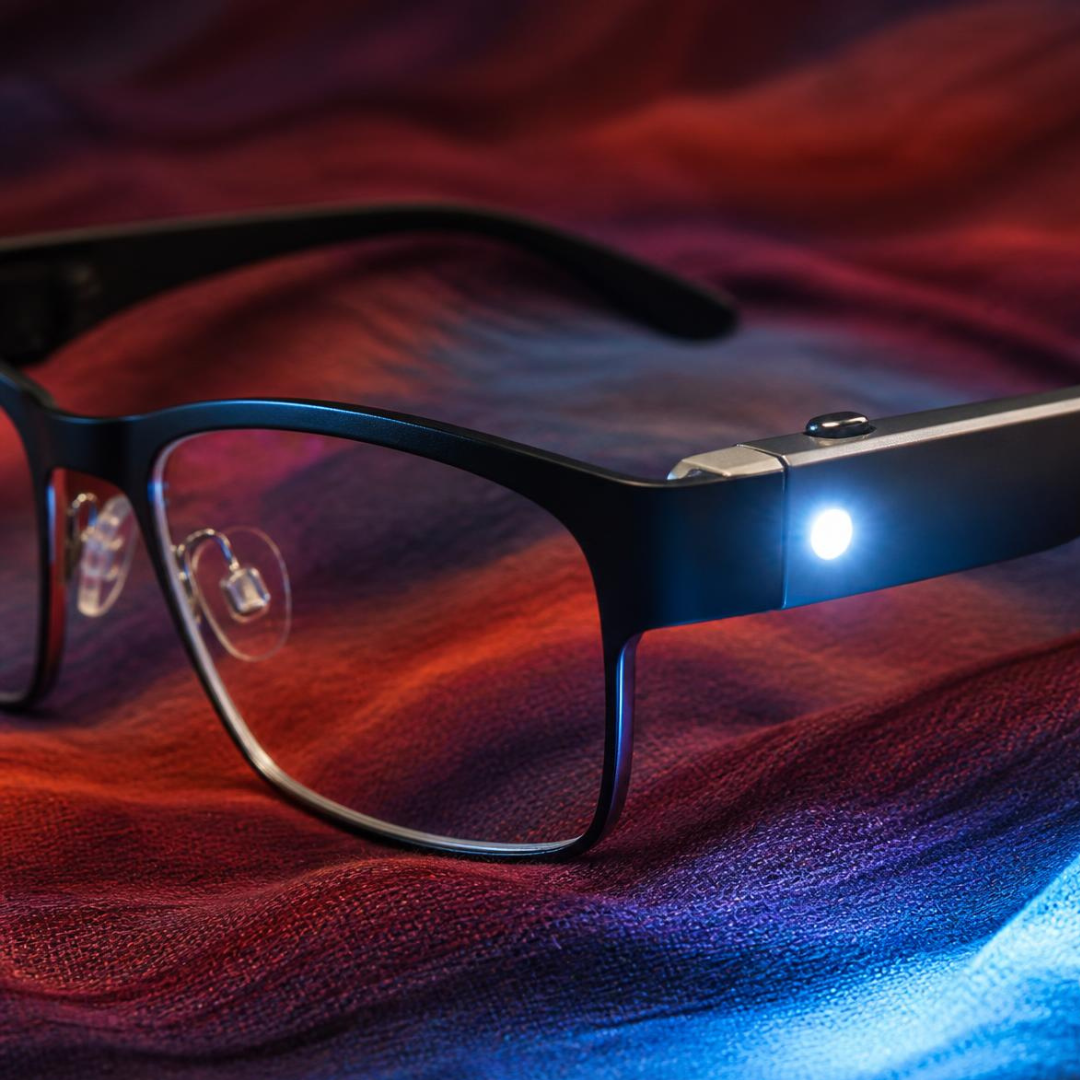
Rather than asking people to sit motionless in front of bulky light therapy lamps, the researchers tested lightweight spectacles fitted with integrated LED lights. This wearable setup allowed participants to move around and carry on with light activities at home whilst receiving treatment.
The clinical trial brought together thirty participants who were divided into two equal groups of fifteen. One group wore glasses emitting targeted blue light, whilst the comparison group wore identical-looking glasses emitting an inactive red light to serve as a proper placebo. Everyone wore their assigned glasses for one hour, twice each day, across a two-week period. The research team evaluated the participants at the start of the study, at the end of the two weeks of treatment, and again three weeks later at week five to see if any benefits lasted after treatment stopped.
The primary goal was to see whether the glasses improved overall sleep quality, measured using the established Pittsburgh Sleep Quality Index. The investigators also tracked daily sleep diaries, daytime sleepiness, mood, anxiety, and motor symptoms.
The results showed a clear positive shift for those receiving blue light. By the end of the two-week wearing period, a positive trend in sleep quality began to appear. By week five, three weeks after putting the glasses away, the improvement in overall sleep quality became statistically significant compared to the placebo group, showing a remarkably large effect size. Participants in the blue light group also experienced noticeable reductions in excessive daytime sleepiness.
The biological reason behind this response lies in the way human eyes communicate with the brain. Specialised cells in the retina detect blue wavelengths of light and send direct signals to the body's master biological clock, the suprachiasmatic nucleus. This internal pacemaker orchestrates the daily rhythm of alertness and rest, regulating natural hormones such as melatonin and cortisol. In Parkinson's, this circadian rhythm often falls out of sync, making daytime hours sluggish and night hours fractured. Delivering blue light at consistent times helps reset these internal signals, reinforcing natural daytime wakefulness so the body is ready for deeper rest when night falls.
Because this was a pilot trial with thirty people, larger studies over longer periods will be valuable to determine the optimal timing, light intensity, and routine for daily life. Nonetheless, these findings demonstrate that wearable light therapy glasses offer a practical, non-invasive tool to help restore better sleep and daytime energy.
Photo: Image created by AI for the purpose of this article; not affiliated with the trial or research.
Comments (0)
Loading comments...