


Gene Hunting with CRISPR: A Parkinson’s Breakthrough in the Making
April 12, 2025
A group of scientists just did something pretty spectacular using CRISPR—a revolutionary gene-editing technology that’s often compared to molecular scissors. But instead of editing DNA to treat a disease directly (which is one goal of CRISPR), they used it in a smart and slightly sneaky way: they systematically switched off nearly every gene in human brain cells to figure out which ones are essential for keeping those cells alive and well in the context of Parkinson’s.
It’s a bit like turning off the lights one by one in a giant building to see which room houses the power switch for the whole place. And guess what? They found some very important switches.
The Star of the Show: CRISPR
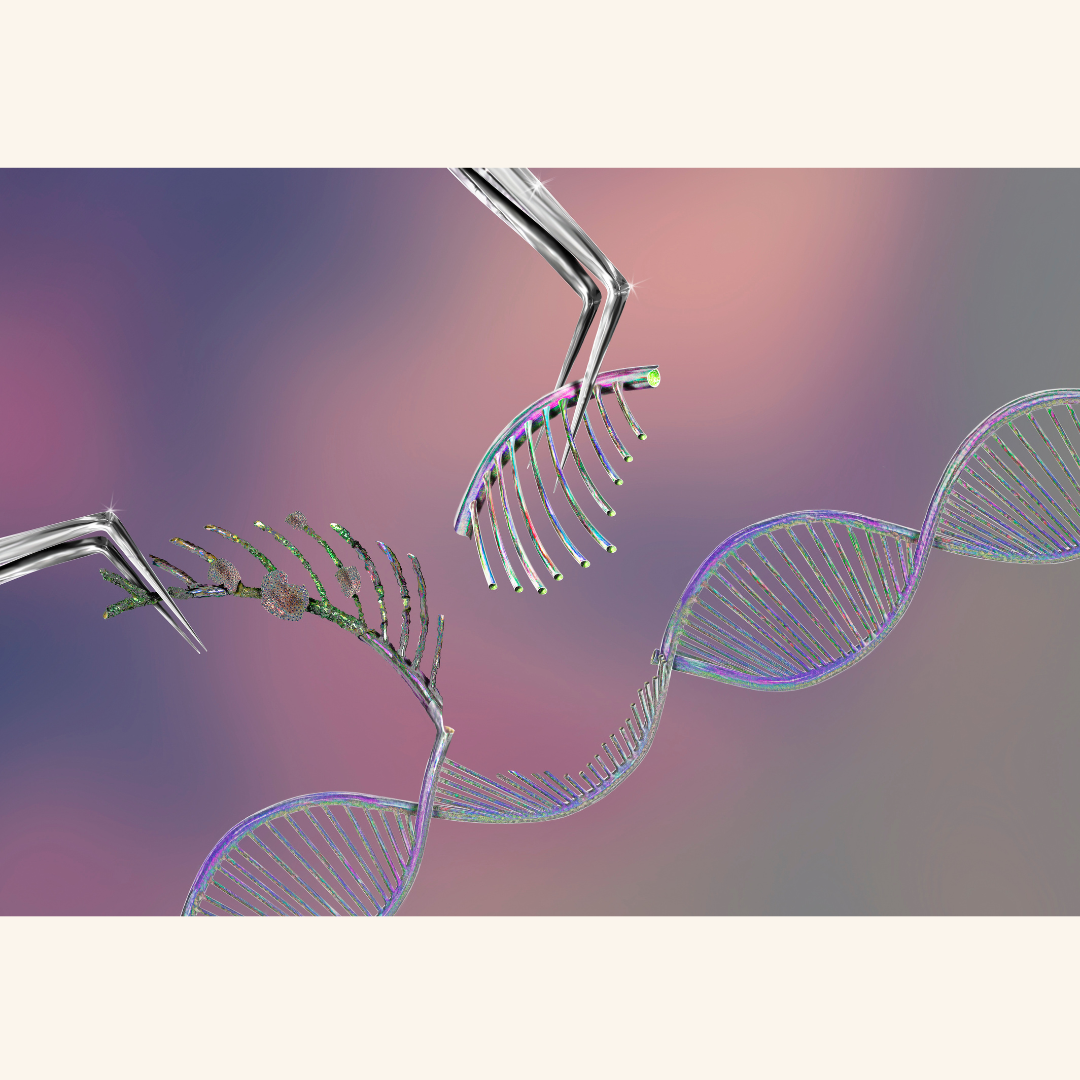
First, a quick refresher: CRISPR is a gene-editing tool that lets scientists very precisely change or “knock out” genes in cells. Think of it as high-tech copy-editing for your DNA.
In this study, researchers used CRISPR on human neurons—specifically dopamine-producing neurons derived from stem cells, which are the exact type that Parkinson’s tends to target and destroy.
They turned off about 19,000 genes one at a time to see which ones, when deactivated, made those neurons more vulnerable to dying. That’s no small feat—it’s basically the genetic equivalent of taste-testing every single jellybean in a giant candy store to find the one with the poison.
So, What Did They Find?
Here’s the big deal: they identified another 20 genes that are vital to the health of dopamine-producing neurons—20 potential culprits in the complex murder mystery that is Parkinson’s. These weren’t just random guesses. The experiment showed that knocking out these specific genes consistently made the neurons sicker and more likely to die.
Some of these genes were already vaguely suspected. Others are brand new to the scene. And all of them now offer potential targets for new therapies—whether that means designing drugs to protect them, activate them, or mimic their functions.
But What Does This Mean for People Living with Parkinson’s Right Now?
Let’s be honest: this isn’t a pill you can pick up at the chemist tomorrow. Turning this kind of genetic insight into a usable treatment will take time—think several years at least. But here’s why it’s still a big deal:
We’re finally getting specific. For years, Parkinson’s research has been a bit like using a map of Europe to find a coffee shop in Kraków—too broad to be useful. This study gives scientists precise coordinates.
Better drug targets = smarter clinical trials. Many drugs fail not because they’re bad, but because we’re aiming them at the wrong thing. Knowing which genes truly matter helps researchers focus their efforts and design trials that actually stand a chance of success.
The technology is the real hero. This was the first time CRISPR had been used on such a large scale in Parkinson’s-relevant human brain cells. That’s like going from a magnifying glass to a telescope—suddenly we can see so much more.
A Word About Prevention
Interestingly, this kind of research doesn’t just help people already diagnosed with Parkinson’s. It also opens the door to spotting who might be at risk in the first place—perhaps even years before symptoms start. If certain genes are known to be crucial, we can start screening for variations and maybe—just maybe—intervene earlier.
Imagine a world where your doctor could run a genetic screen, spot a risk factor early, and suggest gut-health tweaks, lifestyle changes, or even personalised medication long before a tremor ever starts. That’s the kind of future this work nudges us toward.
And What About Side Effects?
One fear with gene editing and even with some medications is that if you tweak one part of the genetic machinery, you might accidentally cause issues elsewhere. That’s why this kind of systematic CRISPR study is so valuable: it gives scientists a better understanding of what’s safe to tinker with—and what’s better left alone.
By seeing what happens when each gene is turned off, they can also spot genes that don’t cause any trouble when deactivated. And those might be excellent, safe targets for drugs or even for future gene therapies.
For people with Parkinson’s, it doesn’t mean tossing out your meds tomorrow or expecting a cure by summer. But it does mean real hope that we’re cracking the code—and with tools like CRISPR in hand, we might just be rewriting the story of Parkinson’s disease, one gene at a time.
Comments (0)
Loading comments...