


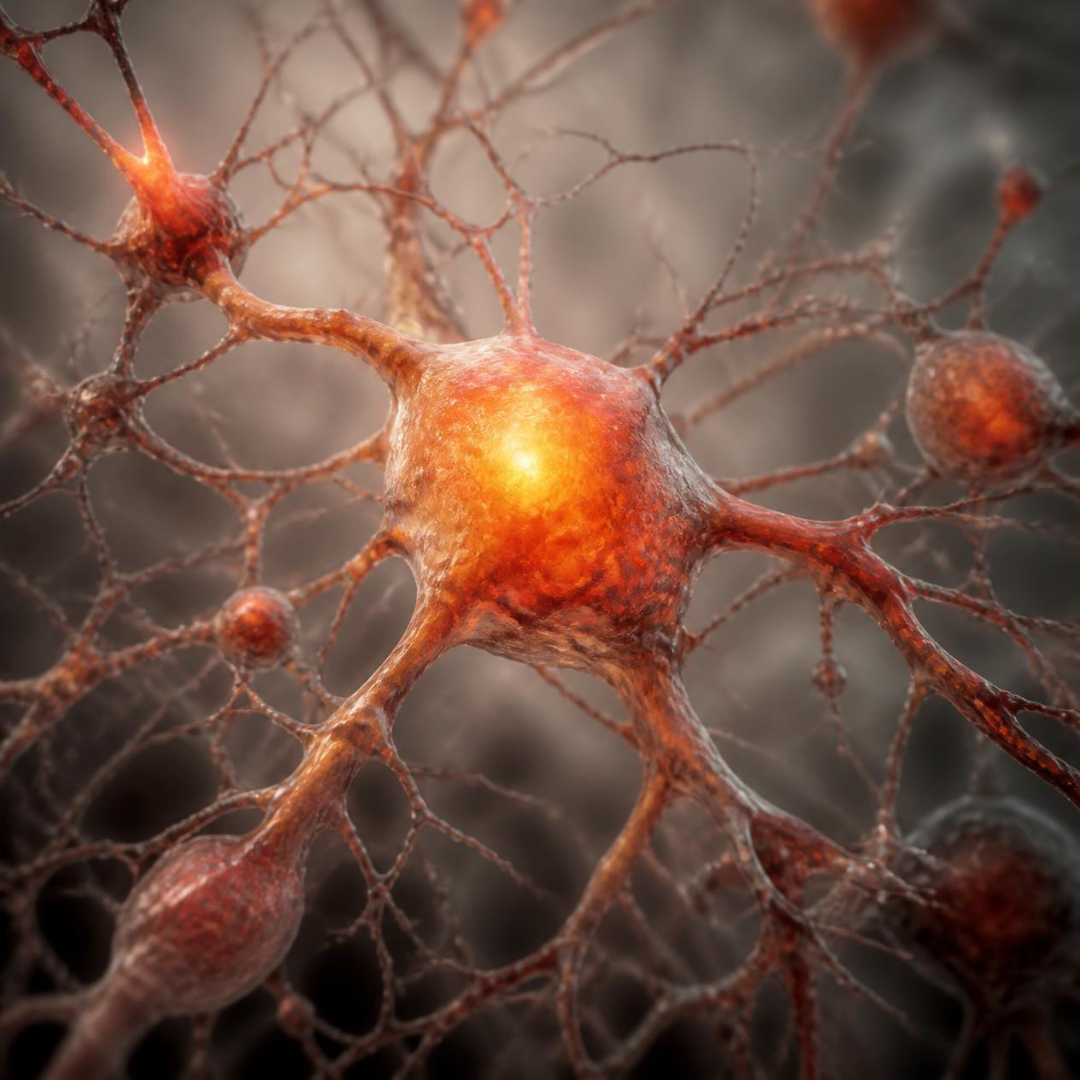
Indiana University researchers investigate how an exhausted immune system drives Parkinson's to uncover new ways to protect brain health
September 1, 2026
 Beatrice
On the ninth floor of Indiana University’s medical research building in Indianapolis, scientists are shifting their attention away from the brain itself to understand where Parkinson's truly begins. Led by Professor Malú Gámez Tansey, the team is exploring the idea that the condition does not appear out of nowhere, but develops after years of gradual wear and tear across the entire body.
For the past two decades, scientific wisdom held that inflammation in the nervous system was simply too high and needed to be suppressed. Groundbreaking work by co-leader Dr Rebecca Wallings and the wider research group suggests a completely different reality. Instead of being overly aggressive, the immune system in people with Parkinson's may actually be completely exhausted from years of fighting chronic health issues like metabolic problems, inflammatory bowel conditions, psoriasis, or arthritis.
This distinction changes everything about how the condition could be treated. If immune cells are already worn out and struggling to do their job, medicines that suppress the immune system could do more harm than good. The Indiana team believes therapies should instead focus on revitalising, repairing, and rebooting these tired cells so they can protect the nervous system once again.
Professor Tansey describes the human body as a neighbourhood where every resident relies on everyone else. Brain cells do not live in isolation and they do not decline in isolation. They depend on an intricate network of helper cells spread throughout the digestive tract, the blood vessels, and the wider nervous system. When that surrounding biological community becomes exhausted, brain cells lose their vital support structure.
To explore this theory, the team secured a nine million dollar grant through Aligning Science Across Parkinson's alongside the Michael J. Fox Foundation. The work takes place within the Stark Neurosciences Research Institute, which has drawn substantial investment to house world-class scientific facilities, including an extensive biorepository of biological samples and medical records.
By tracking early biological clues outside the central nervous system, the researchers hope to transform medical care. Just as doctors monitor specific blood proteins to prevent heart trouble before it happens, clinicians in the future could recognise early signs of immune exhaustion in middle age and intervene well before movement is affected. The primary aim is not merely extending lifespan, but safeguarding health span, allowing people to live active, independent lives surrounded by their families.
Comments (0)
Loading comments...