


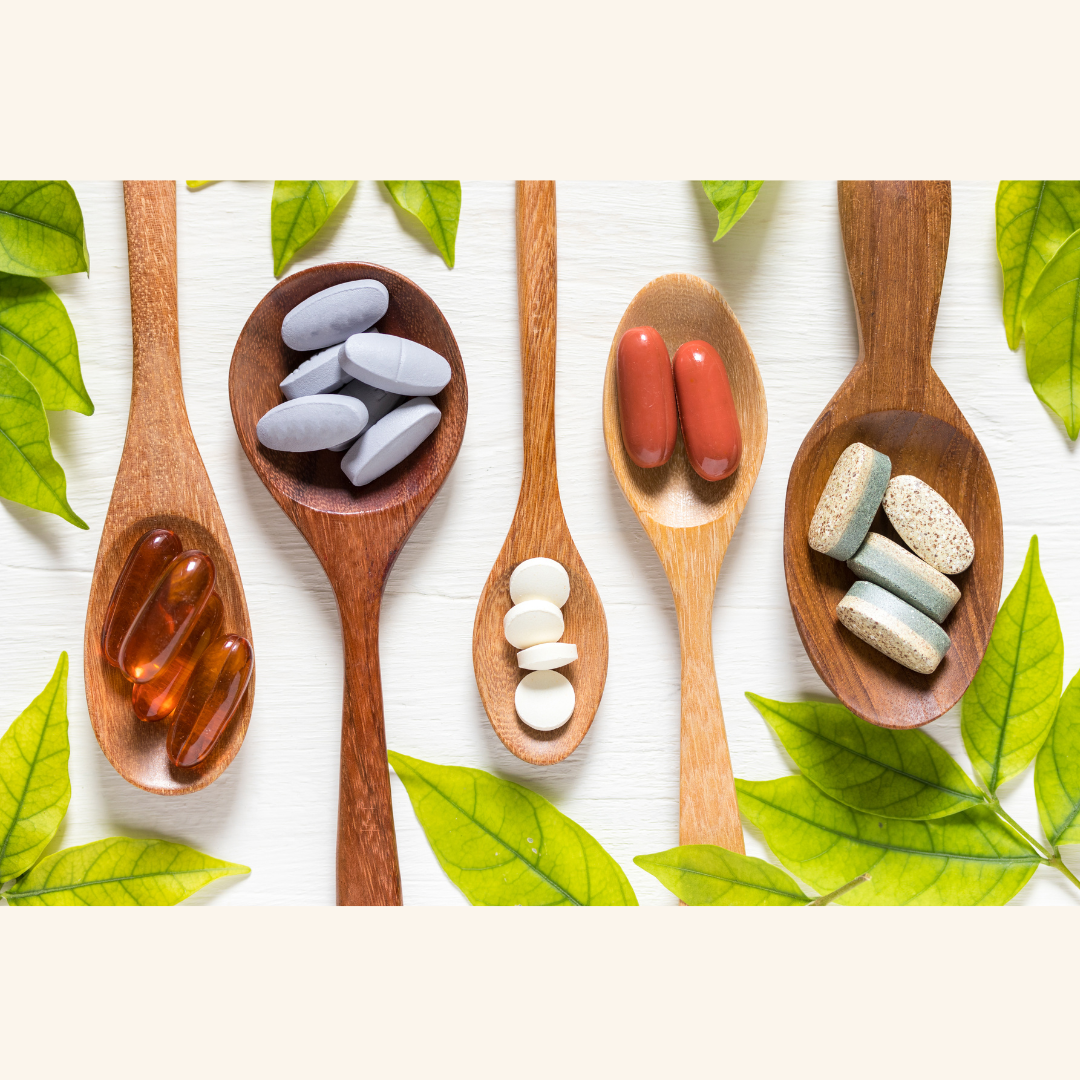
Revisiting a Landmark Study on Supplements and Parkinson’s
May 20, 2025
Back in 2023, Dr Laurie K. Mischley, ND, published what remains one of the most insightful studies on the link between supplements (nutraceuticals) and Parkinson’s symptom severity. Despite its potential to shape how we approach integrative care, it didn’t get the attention it deserved. So we think it’s time to talk about it again—because two years on, it’s still one of the best studies we’ve got on the subject.
This massive 2023 study followed nearly 1,100 people with Parkinson’s over six years to see if taking vitamins, minerals, or other nutraceuticals made any difference in how people felt.
The results? Some supplements showed promising links with slower symptom progression. Others… not so much. Let’s dive in.
🧠 Who Was in the Study?
1,053 people with Parkinson’s (average age: 64)
52% male, 48% female
7,447 total clinical visits between 2015–2021
Participants were part of the CAM Care PD programme (a long-term observational study in the US)
They weren’t asked to change anything—just to report what supplements they took and how they were feeling.
🥦 What Were They Taking?
Researchers tracked 43 common supplements and rated how often people took them. The most popular were:
Fish oil (omega-3s) – taken by 42% of participants
Vitamin D – 42%
Magnesium – 27%
Curcumin (from turmeric) – 20%
Coenzyme Q10 (CoQ10) – 19%
B vitamins, melatonin, vitamin C, glutathione, and NAD+ were also on the radar.
📉 What Were They Measuring?
They used a clever tool called the PRO-PD score, which combines 33 common symptoms of Parkinson’s (like tremor, fatigue, stiffness, memory, and mood) into one severity score. It gives a fuller picture than just looking at movement symptoms.
🏆 Which Supplements Looked Helpful?
After crunching the data, researchers found that people who regularly took these supplements had lower symptom severity scores:
Most promising:
Glutathione 🧬
NAD+ 💥
Vitamin D ☀️
Curcumin 🌱
Magnesium ⚙️
Fish oil (omega-3s) 🐟
Coenzyme Q10 (CoQ10) ⚡
B-complex vitamins 💊
Melatonin 🌙
Vitamin C 🍊
Each one of these showed a statistically significant link with slower symptom progression.
💡 Worth noting: Glutathione and NAD+ were especially associated with better outcomes—but they were also among the least used (only around 1–2% of participants took them). That might mean they’re powerful… or that we need more research.
🚫 Which Ones Didn’t Help—or Were Linked With Worse Outcomes?
Surprisingly, a few popular supplements showed no benefit—or even a possible negative effect:
Calcium
Iron
Vitamin E
Zinc
Alpha-lipoic acid
Creatine
Manganese
Iodine
People who took these had higher symptom severity, though we don’t know if the supplements caused this, or if people were taking them because they were already feeling worse.
🔍 A Few Important Caveats
This was an observational study. It can’t prove cause and effect—only associations.
Participants self-reported their supplement use and symptoms (which could introduce bias).
It’s possible that people who take supplements also do other healthy things (like eat well, sleep better, or exercise)—so supplements might not be the only helpful factor.
Still, with over 7,000 check-ins across six years, this is one of the largest and most detailed looks at nutraceutical use in Parkinson’s.
🌟 So, Should You Start Taking These?
Not just yet—but it’s an exciting clue.
If you’re living with Parkinson’s, this study suggests that some supplements might support a gentler journey through the disease. The ones that stood out—like vitamin D, curcumin, fish oil, magnesium, and CoQ10—are generally safe, affordable, and widely available.
But it’s always best to chat with your healthcare team before starting anything new. Some supplements can interfere with medications or be unhelpful in high doses (looking at you, iron and calcium).
🚀 What's Next?
This study gives a strong nudge toward future clinical trials to really test whether these supplements make a difference. And it highlights the power of tracking your own symptoms—because you never know what patterns might emerge.
Comments (0)
Loading comments...