


Holistic Approach to Parkinson's: Exercise, Supplements, and More With Dr. Bas Bloem
February 11, 2026
 mister green
In a recent conversation with the Davis Phinney Foundation, Dr. Bloem argued that Parkinson’s is too multifaceted to be tackled by medication alone. He advocates for a rigorous "holistic" approach—not based on wishful thinking, but grounded in hard scientific evidence.
Here is why he believes treating the whole person, rather than just the dopamine deficit, is the future of care.
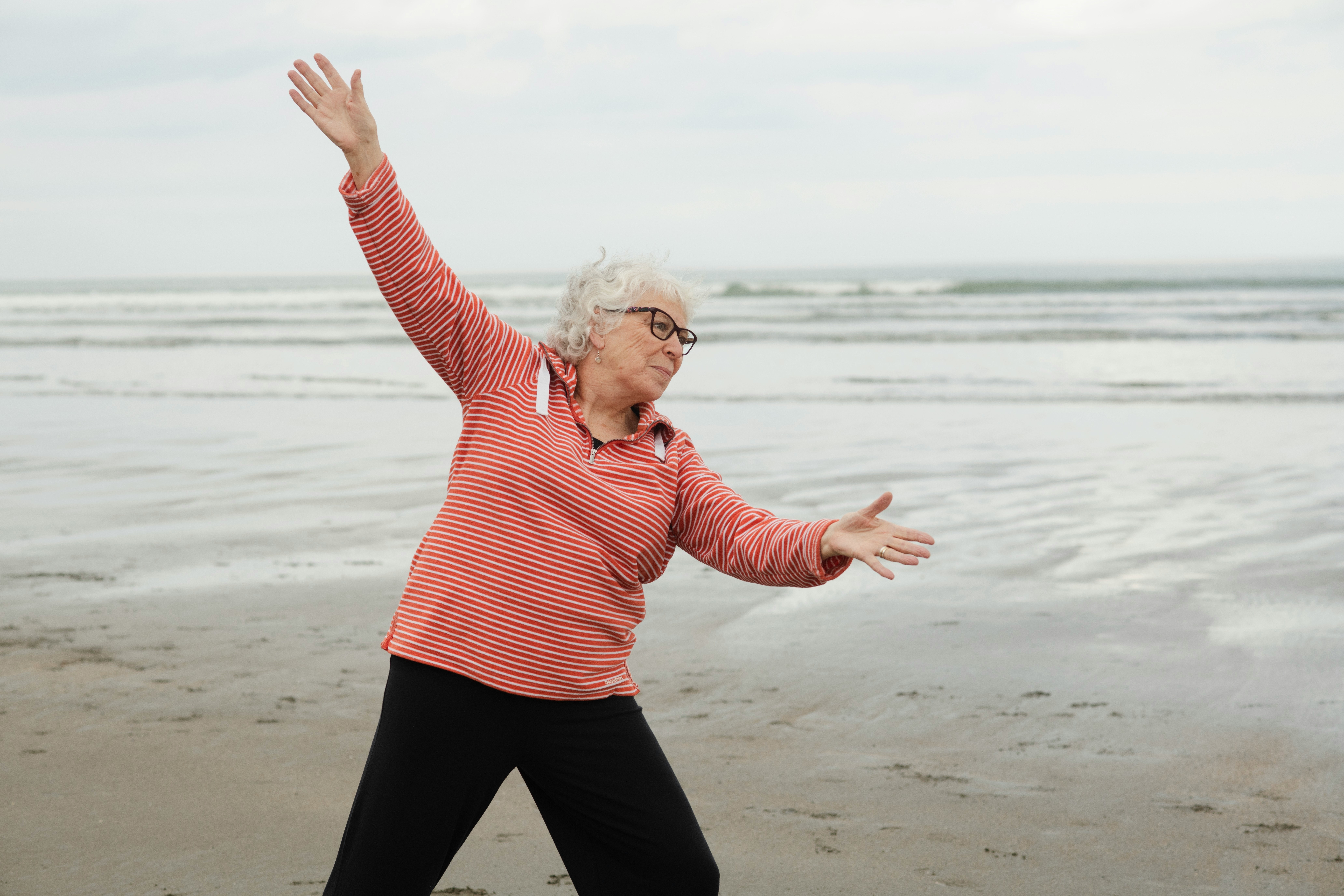
The "Athlete in Training" Mindset
Dr. Bloem compares living with Parkinson’s to being a top-tier athlete. In professional sports, the difference between winning and losing often comes down to tiny details: sleep, nutrition, stress levels, and equipment.
"If you have Parkinson’s, you need to live the life of an athlete," Dr. Bloem explains. "You want to turn every possible knob and optimise it so it is perfect."
This doesn’t mean you need to compete in the Olympics. It means acknowledging that your brain is under pressure and requires an optimised environment to function. If you ignore your sleep or diet, your medication simply won’t work as well.
Exercise: The Only "Disease-Modifying" Drug We Have?
When Dr. Bloem started his career, exercise for Parkinson’s was seen as a vague, "nice-to-have" activity. Today, we have Class 1 scientific evidence—the highest standard—proving it suppresses symptoms.
Even more exciting is the potential for exercise to slow the condition down. Dr. Bloem cited a study where participants did aerobic workouts (panting for 30 minutes) on a stationary bike.
The Result: MRI scans showed that even in elderly participants, the brain started to make new connections between the diseased basal ganglia and healthy parts of the brain.
The Prescription: Dr. Bloem recommends 30 minutes of aerobic exercise daily (enough to make you short of breath but still able to talk) plus strength training once a week to prevent hip fractures and aid in getting out of chairs.
Crucial Tip: If you feel worse or "off" immediately after exercise, do not panic. Dr. Bloem calls this a "medal of good behaviour." You have simply used up your available dopamine. The solution? Take an extra dose of Levodopa before your workout to get the maximum benefit.
The Truth About Supplements
One of the most common questions patients ask is, "What should I take?" Dr. Bloem is refreshingly blunt: stop wasting a fortune on unproven cures.
What DOESN'T work (according to current evidence): Co-enzyme Q10 and Curcumin have been tested and shown to be ineffective.
What DOES work:
Vitamin B12: Levodopa affects how your body metabolises B12. Low levels can cause neuropathy and fatigue, so annual checks and supplementation are essential.
Vitamin D: Critical for bone health to prevent fractures.
Vitamin C: Small amounts can acidify the urine, helping to prevent bladder infections, and can help dissolve Levodopa for better absorption.
The Gut-Brain Connection
Dr. Bloem stresses that constipation is not just a nuisance; it is a treatment barrier. If you are constipated, bacterial overgrowth in the gut can "annihilate" your Levodopa before it even reaches your blood.
The Fix: Drink huge amounts of fluid (up to half a gallon/2 litres a day), eat fibre, and exercise. If you fix the gut, you often find your medication starts working again without needing to increase the dose.
The "Invisible" Pillars: Stress and Social Connection
Stress is toxic for Parkinson’s. It can unmask symptoms and make tremors significantly worse. Dr. Bloem describes the tremor as a "thermometer for stress." He notes that mindfulness and even beta-blockers (like Propranolol) taken ad-hoc before a stressful event can dampen the sympathetic nervous system and calm the tremor.
Finally, the often-neglected pillar is social connection. Parkinson’s has a way of shrinking a person’s world—voices get softer, steps get smaller, and people withdraw. Dr. Bloem urges people to fight this isolation. Social interaction is a powerful stimulus for the brain, keeping neural networks active and vital.
As Dr. Bloem puts it, he is not "God," but a "guide." The goal of the holistic approach is to give people with Parkinson’s the agency to turn those knobs themselves, moving from being a passive patient to an active participant in their own care.
Comments (0)
Loading comments...