


Uncovering the True Economic Burden of Parkinson’s in the US
March 28, 2026
When we discuss Parkinson’s, the conversation usually revolves around the biological toll—the tremors, the loss of balance, or the quiet struggle with sleep. However, a landmark study commissioned by the Michael J. Fox Foundation for Parkinson’s Research (MJFF) has pulled back the curtain on a different kind of impact: the staggering financial weight carried by people with Parkinson’s, their families, and the state.
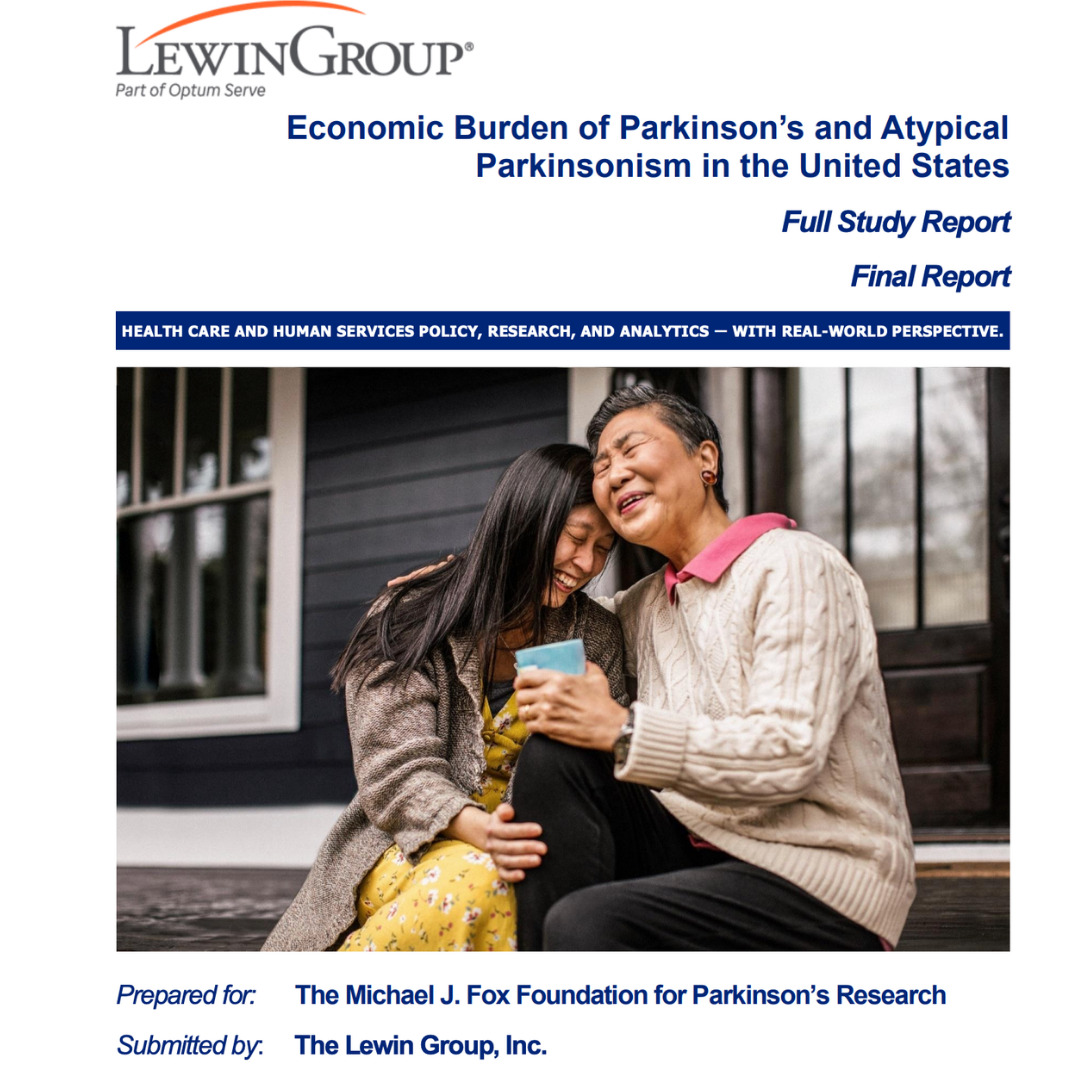
The report, titled “Economic Burden of Parkinson’s and Atypical Parkinsonism in the United States,” provides the most comprehensive data to date on what this condition actually costs. The final tally is a sobering $51.9 billion annually in the US alone.
Beyond the Hospital Bill
One of the most revealing aspects of this study is that it doesn't just look at doctor visits and prescriptions. It breaks the burden down into "Direct" and "Indirect" costs, proving that the money spent at the pharmacy is only the tip of the iceberg.
Direct Medical Costs ($25.4 billion): This includes the obvious expenses—hospital stays, long-term care facilities, and outpatient visits. Interestingly, the study found that a significant portion of this spend isn't for Parkinson’s-specific drugs, but for managing complications like falls, fractures, and respiratory infections.
Indirect Costs ($26.5 billion): This is where the "hidden" burden lies. This figure accounts for the loss of income when someone is forced to retire early, the reduced productivity of those still working, and—critically—the unpaid labour of family caregivers.
The Caregiver’s Silent Contribution
The study shines a bright light on the "shadow workforce." Family members often step in to provide round-the-clock care, frequently sacrificing their own careers and mental health to do so. The researchers estimated the value of this unpaid caregiving at billions of pounds annually. Without these family "buddies," the formal healthcare system would likely collapse under the weight of the demand.
Atypical Parkinsonism: A Heavier Weight
The report also distinguishes between "standard" Parkinson’s and "Atypical" conditions, such as Multiple System Atrophy (MSA) or Progressive Supranuclear Palsy (PSP). While these conditions are rarer, the economic burden per person is significantly higher. Because symptoms often progress more aggressively, the need for specialised equipment, home modifications, and intensive professional nursing care arises much sooner.
Why This Data is a "Call to Arms"
So, why does a "price tag" matter to the person living with Parkinson’s?
Policy Change: This data is used to lobby governments for better funding. When officials see that the condition costs the economy over $50 billion, investing in research and earlier diagnosis becomes a financial necessity, not just a moral one.
Resource Allocation: It highlights exactly where the system is failing—showing, for instance, that we spend far more on treating the results of a fall than we do on the physiotherapy that could have prevented it.
Support for Caregivers: By quantifying the value of family care, the study builds a case for better respite care and financial support for those looking after their loved ones.
A Note on the Source
This data was produced by the Michael J. Fox Foundation in collaboration with several academic and policy institutions. It serves as a reminder that Parkinson’s is not just a personal health journey; it is a major societal challenge that requires a collective, well-funded response.
Comments (0)
Loading comments...