


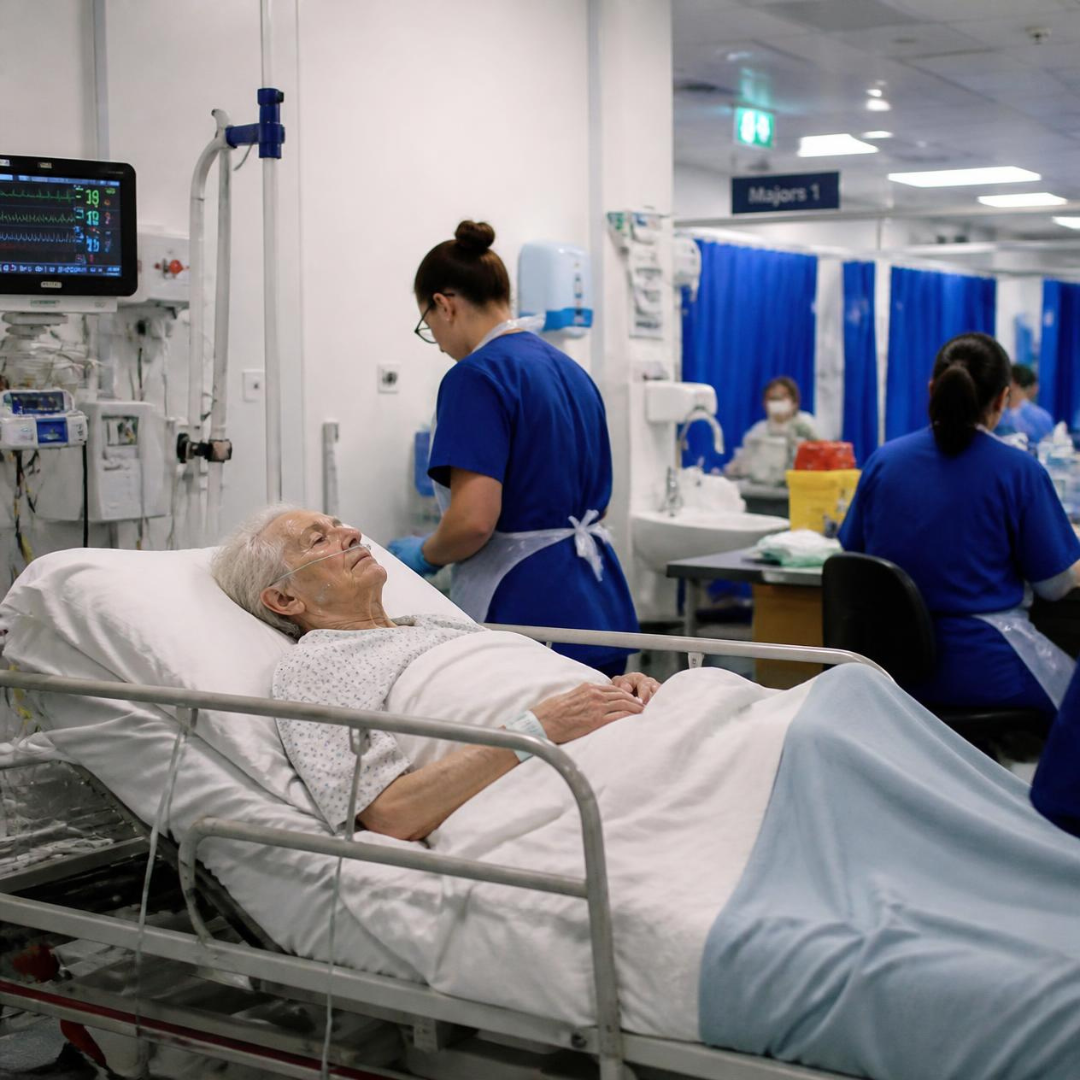
Study reveals that nearly one in three people receive their Parkinson's diagnosis in hospital emergencies, leading to poorer health outcomes
August 26, 2026
 Beatrice
A landmark study from University College London has found that more than thirty per cent of people with Parkinson's receive their first diagnosis following an emergency hospital visit or urgent admission. Across a wide range of long term conditions, receiving a diagnosis under emergency circumstances is strongly linked to longer hospital stays and a higher risk of serious complications in the twelve months that follow.
The research, published in the journal PLOS Medicine, examined the health records of 1.7 million people in England between 1999 and 2019. While emergency diagnoses have long been studied in cancer care, this investigation looked at thirteen non-cancer conditions, including Parkinson's, multiple sclerosis, and inflammatory bowel conditions. Across nine of the thirteen conditions studied, more than one in five individuals were diagnosed through an emergency route rather than through a planned appointment with a GP or specialist.
For Parkinson's, the proportion was especially high, with over three in ten individuals finding out about their condition only after an emergency event. This often happens when subtle changes in mobility, balance, or general wellbeing go unrecognised until a sudden crisis occurs, such as a severe fall, an infection, or acute confusion that requires urgent hospital care.
The findings highlight a clear difference in health outcomes during the first year after diagnosis. Even after researchers adjusted for age, other existing health issues, and socioeconomic background, people diagnosed through emergency hospital visits spent significantly more time in hospital and faced higher mortality rates in the subsequent year compared to those diagnosed through standard outpatient pathways.
The researchers noted that an emergency admission can sometimes represent the best immediate response when acute symptoms arise without clear warning. However, the high rate of emergency diagnoses also points to systemic barriers in everyday care, such as long waiting times for specialist clinics, difficulties accessing routine primary care, and the challenge of identifying early symptoms in the community.
For people living with Parkinson's and their families, finding out about the condition during an unplanned hospital stay adds distress to an already vulnerable moment. Recognising the scale of emergency diagnoses provides a foundation for healthcare planners to improve community referral routes, spot warning signs earlier, and ensure that individuals receive continuous, specialised support well before an emergency occurs.
Comments (0)
Loading comments...