


Restless Nights: Managing Periodic Limb Movements in Parkinson’s
April 16, 2026
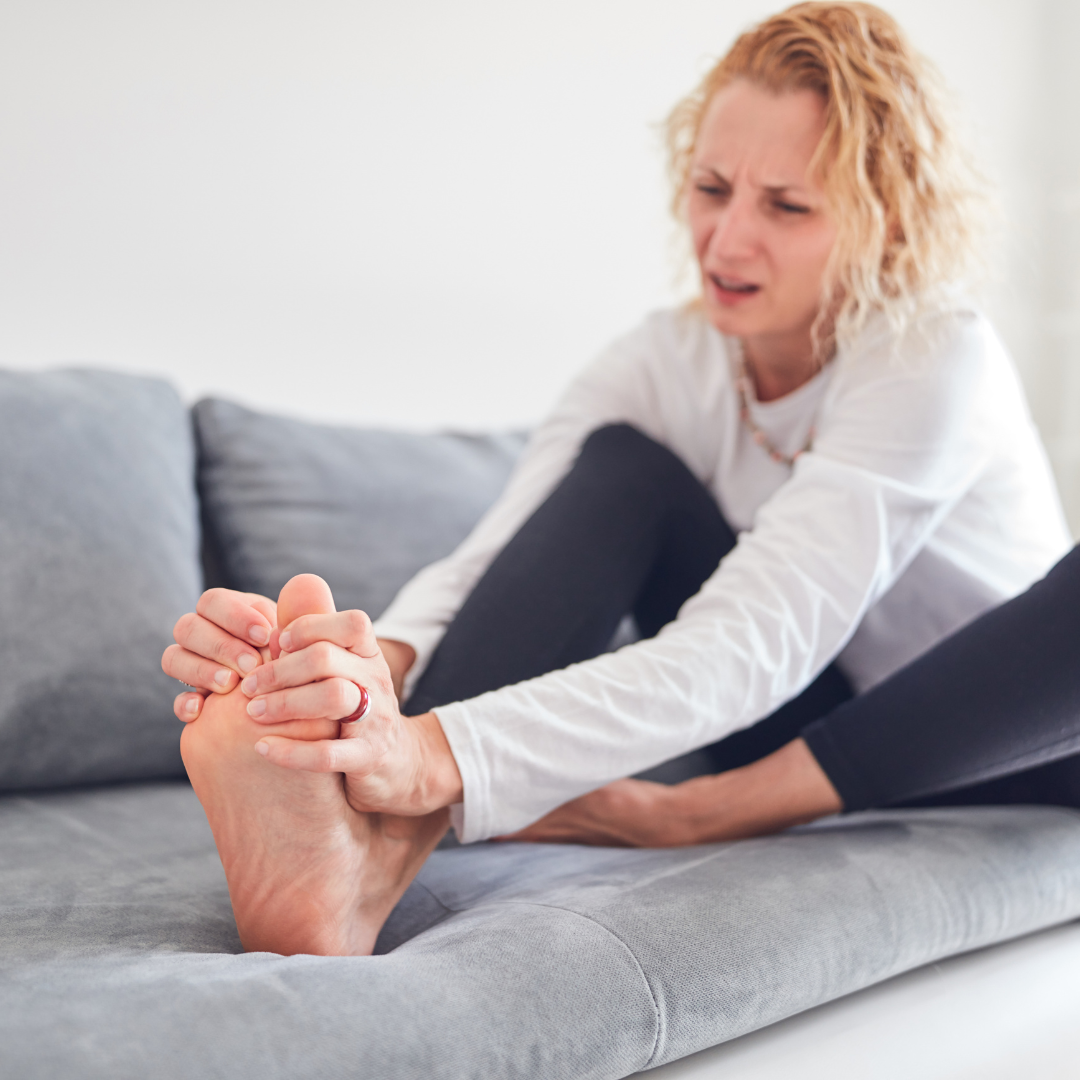
Sleep disturbances are a frequent challenge for those living with Parkinson’s, and among the most disruptive are Periodic Limb Movements (PLM). A comprehensive review recently published in Nature titled "Periodic limb movements in Parkinson’s disease: a critical review of pathophysiology and a framework for clinical management" explores why these movements occur and how they can be better managed to improve quality of sleep and daily function.
Understanding Periodic Limb Movements
Periodic Limb Movements involve repetitive, cramping, or jerking movements—usually in the legs—that occur every 20 to 40 seconds during sleep. While these are often associated with Restless Legs Syndrome (RLS), they are a distinct clinical phenomenon. In people with Parkinson’s, PLM are remarkably common, affecting a significantly higher percentage of the population than in those without the condition.
The Dopamine Connection
The study highlights that the primary driver for these movements is the disruption of dopamine pathways in the brain. Dopamine is not only responsible for smooth movement during the day but also plays a key role in "braking" unnecessary motor activity at night. When dopamine levels fluctuate or drop during sleep—a common occurrence as medication wears off overnight—the nervous system becomes "hyperexcitable," leading to these involuntary jerks.
Beyond Dopamine: Iron and Arousal
The research also identifies other critical factors:
Iron Deficiency: Iron is a necessary building block for dopamine production. The study suggests that even if blood tests show "normal" iron levels, the brain itself may be deficient, which triggers limb movements.
Micro-arousals: Each limb movement can cause a "micro-arousal," a brief shift from deep sleep to light sleep. While you may not remember waking up, these interruptions prevent the restorative "deep sleep" necessary for cognitive health and physical recovery.
A New Framework for Management
The review proposes a structured approach for clinicians and people with Parkinson’s to tackle these nocturnal symptoms:
Optimising Medication Timing: One of the most effective strategies is ensuring "overnight coverage." This may involve using long-acting or controlled-release dopamine agonists or levodopa formulations to prevent the "dip" in dopamine that triggers the movements.
Iron Supplementation: If iron stores (ferritin) are at the lower end of the normal range, supplementation—sometimes even via intravenous infusion in clinical settings—can significantly reduce the frequency of movements.
Screening for Sleep Apnoea: The study notes that sleep apnoea can often mimic or worsen PLM. Addressing breathing issues can sometimes resolve the limb movements without the need for additional Parkinson's medication.
Non-Pharmacological Aids: Simple interventions, such as weighted blankets or specific stretching routines before bed, can provide sensory input that helps "calm" the nervous system.
Why This Matters
Persistent limb movements are more than just a nuisance; they are a major cause of daytime fatigue, which can worsen motor symptoms and mood. By identifying PLM as a specific metabolic and neurological issue rather than "just a bad night's sleep," this research provides a clear path toward better rest. Restoring the quality of sleep is one of the most effective ways to enhance the efficacy of daytime medications and improve overall quality of life.
Comments (0)
Loading comments...