


Beyond dopamine: the hidden chemical networks shaping Parkinson's
November 3, 2026
 Beatrice
For decades, the conversation around the condition has revolved almost entirely around a single chemical called dopamine. While replacing dopamine with medications like levodopa remains the best way to manage movement issues, anyone living with the condition knows it only tells half the story. Levodopa can lose its punch over time, and it often fails to touch stubborn symptoms like freezing of gait, resting tremors, memory changes, and gut trouble. In a recent scientific review, explain why looking beyond dopamine is the key to unlocking better, more complete treatments.
Even the way dopamine works in the brain is getting a fresh look. Scientists used to believe that sudden, fast bursts of dopamine were strictly required to trigger every single movement. Newer evidence shows that these rapid bursts are actually more about motivation and vigour, giving our actions a bit of oomph. As long as the brain has a steady, low background level of dopamine, it can still initiate movement by leaning on other neural networks to handle the split second timing. Trouble really starts to brew when those backup systems begin to falter alongside dopamine.
One of the earliest and hardest hit backup systems is controlled by noradrenaline, a chemical produced in a tiny, pigment rich hub of the brainstem called the locus coeruleus. This area often shows damage years before the dopamine producing cells in the substantia nigra are affected, sometimes losing up to ninety per cent of its neurons. Because this hub sends signals to almost every corner of the brain, its decline is linked to early warning signs like acting out dreams during REM sleep, blood pressure drops, and shifts in thinking.
Studying this noradrenaline hub has also helped scientists make sense of how the condition starts in different people. People who develop dream enactment behaviour years before any stiffness or slowness often show early damage in their gut nerves, heart nerves, and the noradrenaline hub, whilst their dopamine levels remain completely normal. This supports the idea of a body first subtype, where rogue alpha synuclein proteins start in the gut and travel up to the brain. In contrast, a brain first subtype begins right in the dopamine centres before spreading outwards later on.
When it comes to movement, noradrenaline acts a bit like Goldilocks. You need just the right amount to keep the brain's networks talking smoothly. Too little noradrenaline, or way too much of it during moments of high stress and anxiety, can cause the brain's circuitry to jam up, leading directly to freezing of gait. Curiously, when it comes to resting tremors, having a healthier, more intact noradrenaline hub is actually linked to worse shaking, likely because it overstimulates the circuits that generate the tremor. This delicate balance explains why giving everyone the exact same noradrenaline boosting drug in clinical trials rarely works; what helps one person unfreeze might push another person's brain circuitry too far in the wrong direction.
If dopamine and noradrenaline help set the pace, a chemical called glutamate operates the emergency brake. A fast track circuit known as the hyperdirect pathway uses glutamate to send rapid stop signals from the brain's outer cortex deep into its movement centres. In the condition, this pathway goes into overdrive, slamming the brakes on constantly and causing slowness of movement. Deep brain stimulation targets the subthalamic nucleus to release this jammed brake. Researchers highlight a neighbouring brain area called the zona incerta that also uses glutamate to suppress movement. Stimulating the zona incerta could offer a brilliant two for one benefit, calming the overactive brake whilst simultaneously smoothing out tremors. Medications like extended release amantadine and safinamide already work in a similar way by dialling down excess glutamate, giving people more reliable on time each day.
Another major player is acetylcholine, which shares a tight seesaw relationship with dopamine. In the striatum, a tiny group of acetylcholine cells making up just one per cent of the local neurons acts like a bossy middle manager over dopamine. When dopamine levels drop early on, these acetylcholine cells work overtime to squeeze extra dopamine out of the remaining nerve endings. While helpful at first, this constant overactivity eventually burns out the fragile nerve endings and throws the brain's natural braking system out of whack, contributing to stiffness and medication induced dyskinesias. Deeper in the brain, the loss of acetylcholine in a region called the basal forebrain is the main culprit behind memory problems, difficulty focusing, and an increased risk of falls, operating completely independently of dopamine loss.
Then there is serotonin, often famous as the happy chemical, which has a surprisingly specific role in the condition. Serotonin is made in brainstem clusters called the raphe nuclei. Postmortem studies show that one specific cluster, the median raphe nucleus, takes a heavy hit while its neighbour remains mostly untouched. This specific loss removes a natural calming blanket from the brain's memory and emotion centre, which helps explain why so many people with the condition experience chronic worry and generalised anxiety rather than sudden panic attacks. It also disrupts the first stage of smell processing, making it hard to detect faint scents in the first place. Furthermore, brain scans of hundreds of people show that a drop in serotonin availability is strongly tied to resting tremors that refuse to budge with standard dopamine medication.
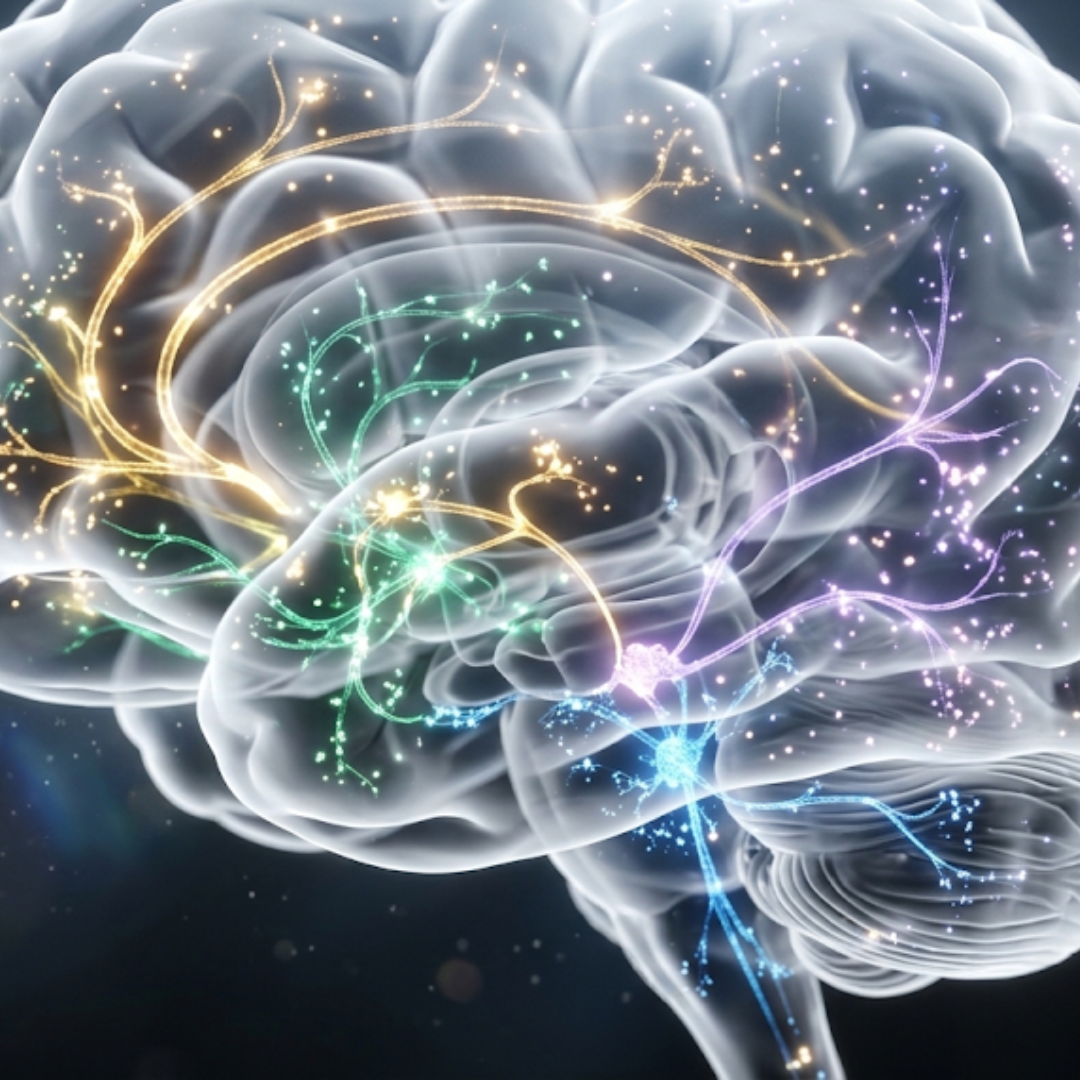
Stepping back, researchers argue that we should stop viewing these chemicals as isolated problems and start seeing the condition as a whole brain network disorder. All of these messengers work together to maintain a steady balance between excitation and inhibition, which is simply the brain's way of knowing when to hit the gas and when to apply the brakes. Driving this widespread network chaos from the very beginning is neuroinflammation. Overactive immune cells in the brain, called microglia, release inflammatory chemicals that damage vulnerable neurons and disrupt how brain circuits communicate long before cells actually die off.
Recognising that the condition is a multisystem network problem changes the game for future healthcare. It makes it clear why a one size fits all pill will never be enough. By using specialised brain scans and biomarkers, doctors will eventually be able to see exactly which chemical hubs are underactive, overactive, or inflamed in each individual. That means future treatments can be tailored to the person rather than just the label, combining early anti inflammatory therapies with targeted medications or precision brain stimulation to keep the entire neural orchestra playing in tune.
Comments (0)
Loading comments...