


The Hunt for ‘Zombie Cells’ in the Brain
December 8, 2025
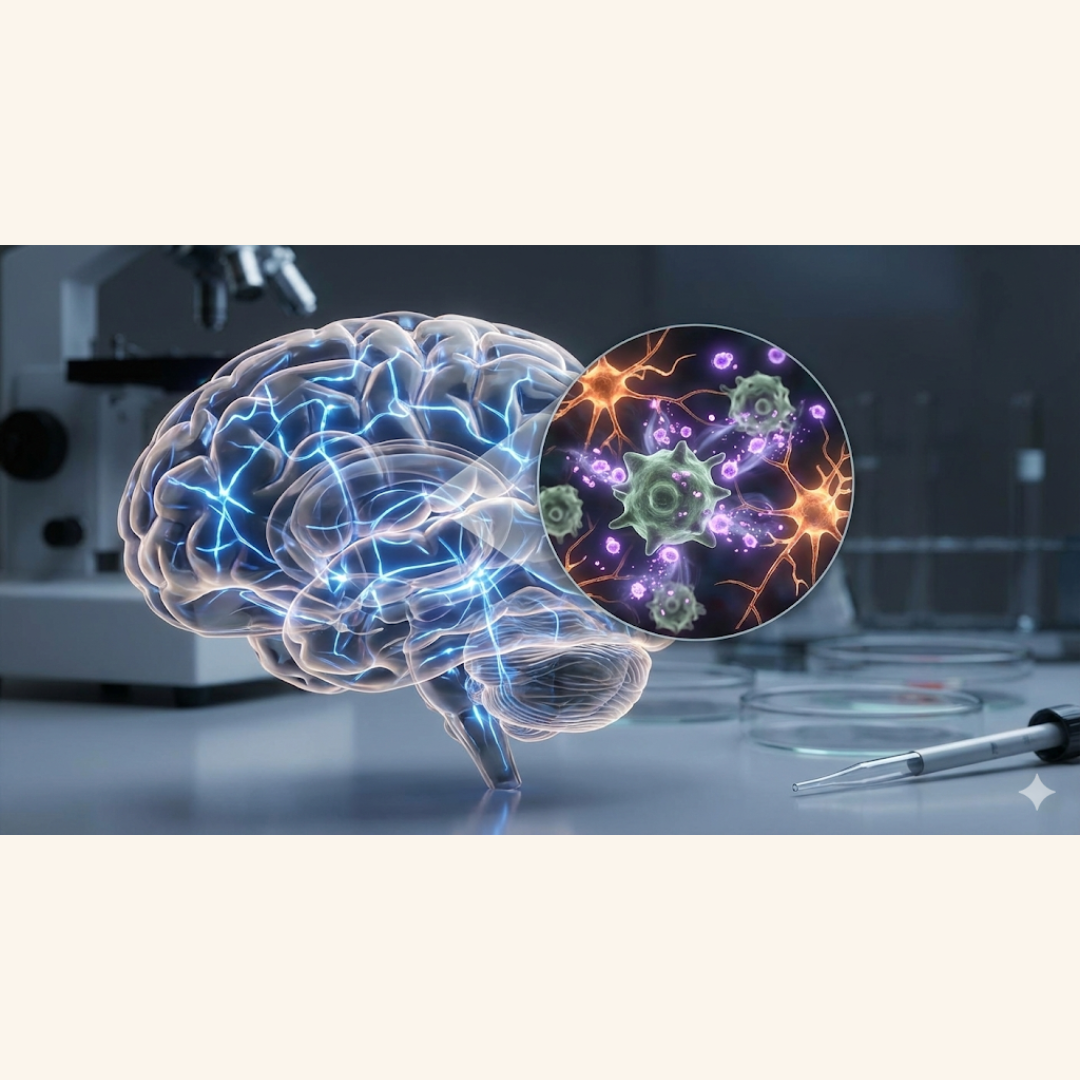
A fascinating new paper published in Molecular Neurobiology has shone a spotlight on a culprit that might be clogging up the works in the ageing brain. Scientists are calling them "senescent cells," but the media prefers a punchier name: zombie cells.
These are cells that have stopped doing their job. In a healthy body, a cell that stops working is supposed to die off quietly and be swept away by the immune system. It is a natural part of life. But zombie cells refuse to follow the script. They don't die. Instead, they linger like stubborn squatters, taking up space and, worse, causing chaos for the healthy neighbours around them.
The Bad Neighbours
The problem isn't just that these cells are taking up room; it is that they are toxic. The study explains that these zombie cells pump out harmful chemicals that cause inflammation and stress. In the context of Parkinson’s, this is particularly unhelpful. It creates a "noisy" and inflamed environment that makes it much harder for your neurons to do their job. Even worse, these cells can actually convince healthy cells nearby to turn into zombies too, spreading the dysfunction like a bad mood through a crowded room.
Calling in the Cleaners
This is where the new science gets exciting. The researchers reviewed a class of drugs called "senolytics." You can think of these as a highly specialised cleaning crew. Unlike standard treatments that try to boost dopamine or protect neurons, senolytics have one specific mission: to hunt down and eliminate these zombie cells without harming the healthy tissue.
The study highlights compounds like dasatinib and quercetin (found in onions and apples) and fisetin (found in strawberries) as promising candidates. The idea is that if you can clear out the squatters, you lower the inflammation and stop the chemical damage.
Flipping the Master Switch
The paper digs into the mechanics of how this works, and it boils down to the brain’s housekeeping system. Our brains have a natural process called "autophagy"—literally meaning "self-eating"—which is how they recycle waste and clear out misfolded proteins. In Parkinson’s, this system often gets jammed.
The researchers found that by removing the zombie cells, these drugs help flip the biological switches that restart this cleaning process. It is essentially a deep spring clean for the brain, clearing out the accumulated biological rubbish that stops neurons from firing correctly.
A Renovation, Not Just a Repair
What makes this research so hopeful is that it represents a completely different way of tackling the condition. Instead of just trying to keep the engine running with medication, scientists are looking at how to clean the fuel lines. By removing the toxic, non-working cells that drive ageing and inflammation, we might eventually be able to create a healthier environment for the brain to thrive in. It is still early days, but the prospect of finally being able to "take out the trash" offers a fresh and grounded reason for optimism.
Comments (0)
Loading comments...