


A New Hope for Cognitive Symptoms in Parkinson’s Disease
November 20, 2024
Parkinson’s disease is often associated with tremors, stiffness, and difficulty with movement. However, its cognitive challenges, like memory issues and dementia, are less talked about—and there are no effective treatments for these symptoms. Researchers at the University of Arizona are working to change that.
Protecting Brain Cells with PNA5
In a groundbreaking study, a team led by Dr. Lalitha Madhavan explored the potential of a tiny protein called PNA5. This protein appears to protect brain cells and could prevent cognitive decline in Parkinson’s patients. The study, published in Experimental Neurology, used animal models to test PNA5’s effects.
Dr. Madhavan explained that up to 70% of Parkinson’s patients experience cognitive issues as the disease progresses. Unfortunately, while medications like L-DOPA help with motor symptoms, there’s no equivalent for cognitive decline.
Dr. Kelsey Bernard, the study’s first author, said PNA5 focuses on halting the progression of cognitive symptoms by dialing back inflammation, a major contributor to brain cell damage.
The Role of Inflammation
Inflammation is the immune system’s natural response to injury or infection. However, in Parkinson’s disease, immune cells in the brain called microglia can become overactive, flooding the brain with harmful inflammatory chemicals. This chronic inflammation damages neurons, particularly in areas related to learning and memory.
The study found that PNA5 calmed down these overactive immune cells, reducing the levels of harmful chemicals and protecting brain cells from further damage.
A Step Toward Better Treatments
PNA5 is a modified version of a natural chemical, designed to enter the brain more easily and stay there longer. While it’s still in early testing stages, researchers are optimistic about its potential to address cognitive decline in Parkinson’s and possibly other conditions like Alzheimer’s.
Dr. Madhavan emphasized that PNA5 wouldn’t replace existing medications for motor symptoms but could be part of a combined treatment approach for this complex disease.
What’s Next?
The team plans to refine dosages, explore potential differences between men and women, and better understand how PNA5 works. If successful, this research could pave the way for a drug that helps people with Parkinson’s maintain their cognitive abilities longer, improving their quality of life.
As Dr. Bernard put it: "The brain is the most fascinating part of the body. Understanding how to protect its cells can lead to life-changing advances for those living with Parkinson’s."
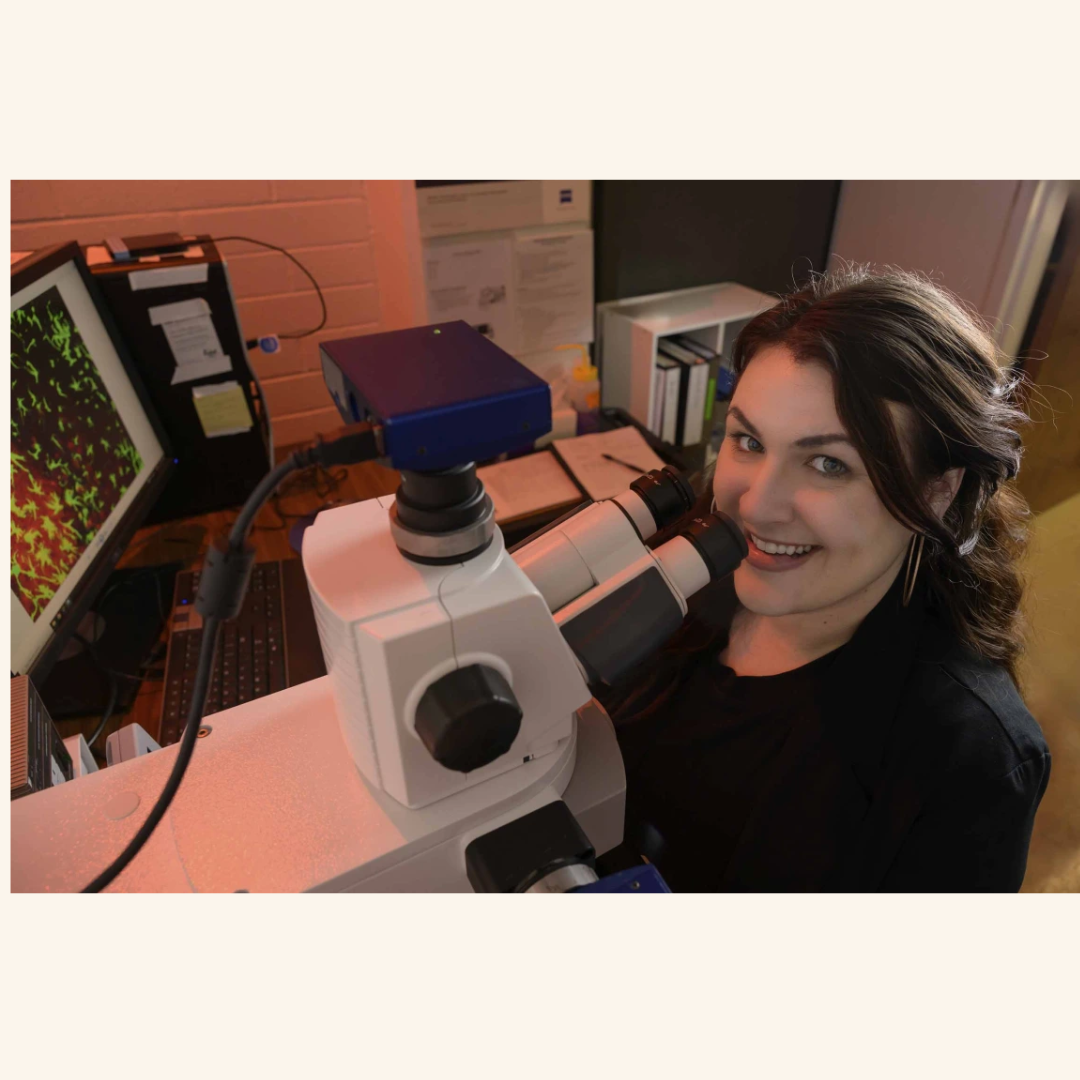
Photo: Kelsey Bernard, PhD, was the first author on a paper that showed the protein PNA5 could possibly prevent cognitive decline in people who have Parkinson’s disease and related disorders.
Comments (0)
Loading comments...