


Parkinson’s Disease Motor Symptom Progression Slowed with Multisensory Dance Learning over 3-Years: A Preliminary Longitudinal Investigation
July 9, 2024
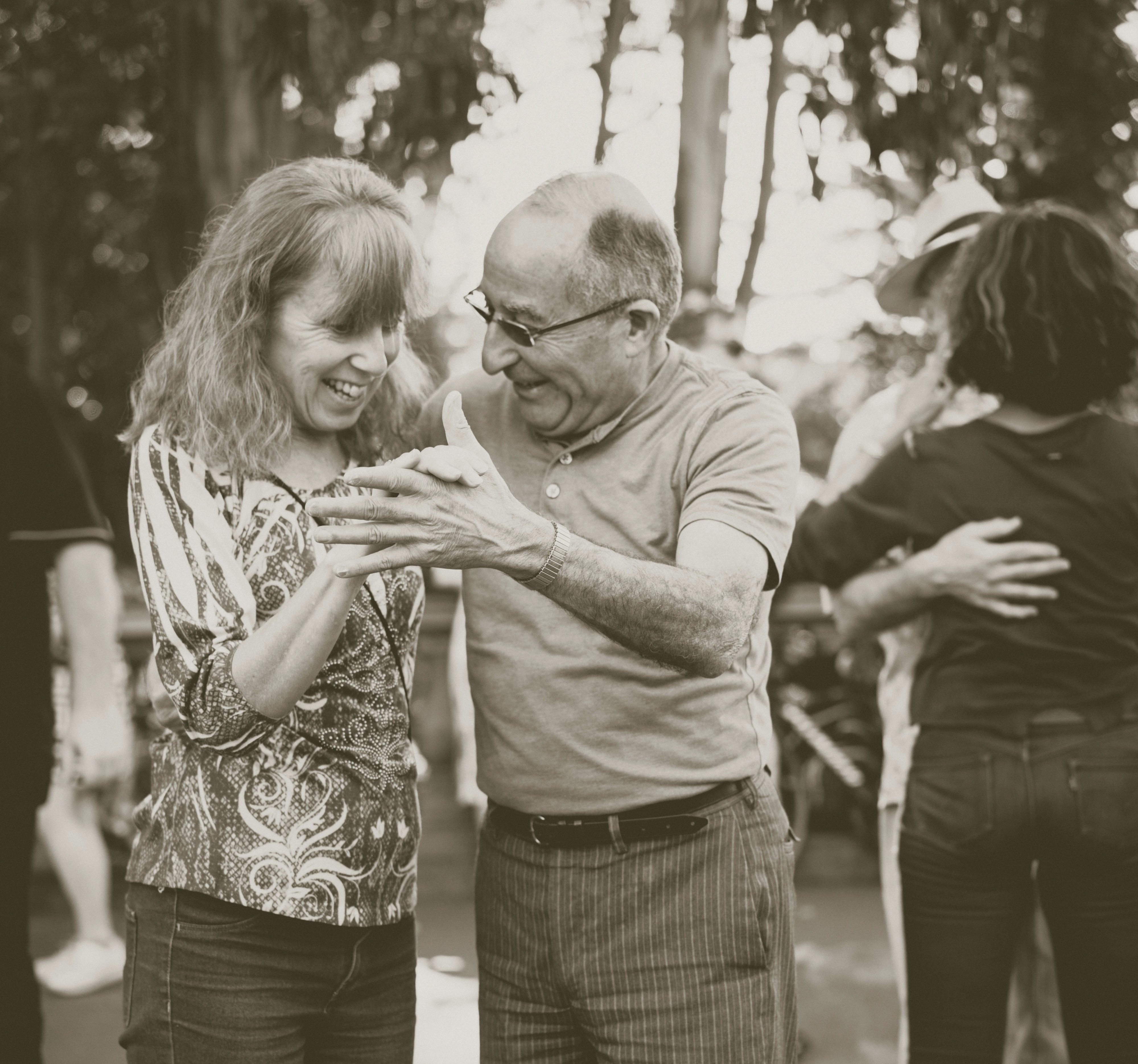
Research study finds that dance can slow the progression of both motor and non-motor symptoms of Parkinson’s Disease.
Parkinson's disease (PD) is a neurodegenerative condition that quickly worsens motor functions within the first five years after diagnosis. This decline is measured using a scale called the Movement Disorder Society Unified Parkinson's Disease Rating Scale (MDS-UPDRS), which shows an annual decrease of 5.2 to 8.9 points.
In this study, researchers aimed to track the progression of both motor and non-motor symptoms of PD in individuals participating in weekly dance classes over three years. Data was collected from 32 people with PD using the MDS-UPDRS scores.
The results showed that those who participated in the dance classes (PD-Dancers) had no motor impairment over the three years, with their daily motor decline being zero. In contrast, the PD-Reference group, which did not participate in the dance classes, showed the expected motor decline.
Additionally, non-motor aspects of daily living, motor experiences of daily living, and motor complications did not significantly worsen in the PD-Dancers. The study found that those who trained once a week experienced less motor impairment over time compared to those who did not train.
In summary, participating in weekly dance classes effectively slows the progression of both motor and non-motor symptoms of PD over three years, as shown by lower MDS-UPDRS scores.
Comments (0)
Loading comments...