


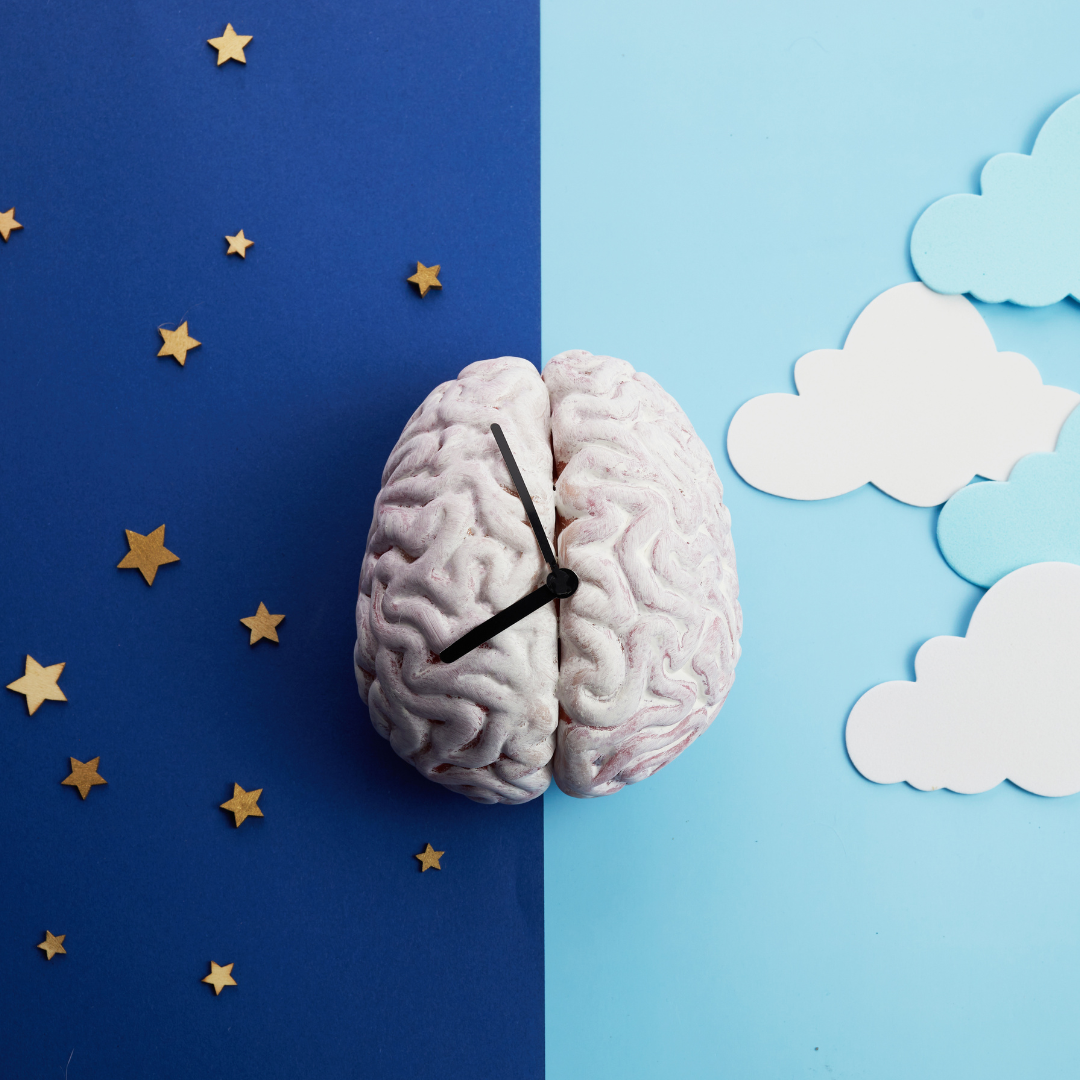
Timing treatment to the body's internal clock could transform how we manage Parkinson's
May 10, 2026
Every cell in our body keeps time, governed by a master clock in the brain that syncs us with the cycle of day and night. This biological rhythm dictates when we feel alert, when we sleep, and how our metabolism functions. In Parkinson's, this internal metronome often loses its beat. Recent research published in Nature explores how this disruption isn't just a side effect of the condition, but a key player in how it progresses, offering a new frontier for treatment known as chronotherapy.
The link between the biological clock and Parkinson's is deeply rooted in our biology. The master clock relies on specific "clock genes" that switch on and off in a 24-hour loop. In people with Parkinson's, these genes often behave erratically. This isn't just about poor sleep; it affects the very dopamine cells that are central to the condition. When the rhythm is off, the brain’s ability to clear out toxic proteins slows down, and inflammation can increase, potentially accelerating the loss of neurons.
Chronotherapy aims to fix this by working with the body’s natural schedule rather than against it. Currently, most medications are taken at set intervals to maintain steady levels in the blood. However, our bodies don't process medicine the same way at 2:00 AM as they do at 2:00 PM. By timing levodopa and other treatments to match the peaks and troughs of the body's internal rhythm, doctors may be able to increase their effectiveness while reducing common side effects like dyskinesia or the "wearing-off" effect.
Beyond medication, there are practical ways to help reset the biological clock. Exposure to bright light in the morning and maintaining a strict routine for meals and exercise can provide the "zeitgebers"—external cues—that the brain needs to stay on track. Even the timing of exercise matters; physical activity in the afternoon might be more beneficial for some than a morning workout, depending on their specific rhythmic disruptions.
Understanding the biological clock turns Parkinson's management into a 24-hour strategy. It moves us away from a one-size-fits-all approach and toward precision medicine where the "when" of treatment is just as vital as the "what." By synchronising therapies with our natural cycles, we can better support the brain's resilience and improve daily life for those living with the condition.
Comments (0)
Loading comments...