


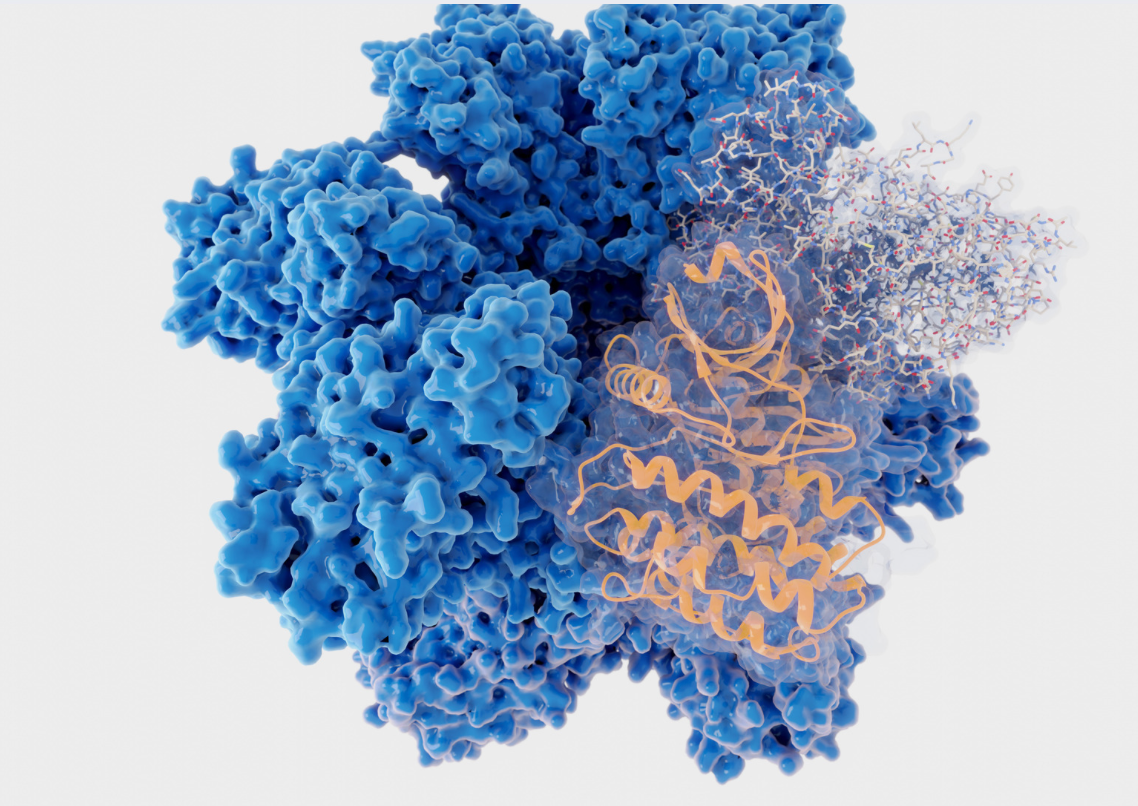
A Study in PINK: How a Kinase May Protect the Brain from Parkinson’s Disease
January 29, 2025
 LeahJS
Parkinson's disease is caused by the gradual death of dopamine-releasing neurons, and one key reason for this is the buildup of damaged mitochondria, which provide energy to the cells. PTEN-induced kinase 1 (PINK1) is an enzyme that responds to damaged mitochondria, and mutations in its gene can lead to early onset Parkinson’s disease. However, scientists hadn’t fully understood how damaged mitochondria trigger PINK1’s action—until recently.
Dr. Miratul Muqit and his team at the University of Dundee made a discovery about PINK1’s role in response to mitochondrial damage. Their research shows that PINK1 activates a process called mitophagy, which removes damaged mitochondria from the cell. When mitochondria are stressed, PINK1 stabilizes on the outer mitochondrial membrane and interacts with a protein complex called TOM. This interaction is crucial for PINK1 to become active and start the cleanup process in the cell.
This research has important implications for potential therapeutic interventions in Parkinson's disease. The team found that two subunits of the TOM complex—TOM 20 and TOM 70—are not only responsible for transporting PINK1 into healthy mitochondria but also play a key role in activating PINK1 when mitochondria are damaged. This discovery could lead to new treatments that focus on boosting or repairing this PINK1 activation process in patients with Parkinson's, particularly those with mutations that affect PINK1's function. These findings are a major step forward in understanding how mitochondrial dysfunction contributes to Parkinson's and could lead to novel strategies for treating or preventing the disease.
Muqit and his team now plan to test these findings in mice and explore how this PINK1-TOM interaction works in neurons, which could bring us closer to developing effective therapies for Parkinson's. This research is not only advancing our understanding of the disease but also offering hope for future treatments that could improve the lives of patients.
Comments (0)
Loading comments...