


Scientists used non-invasive electrical stimulation of the outer ear to help patients with Parkinson’s disease walk further and faster
January 10, 2025
 LeahJS
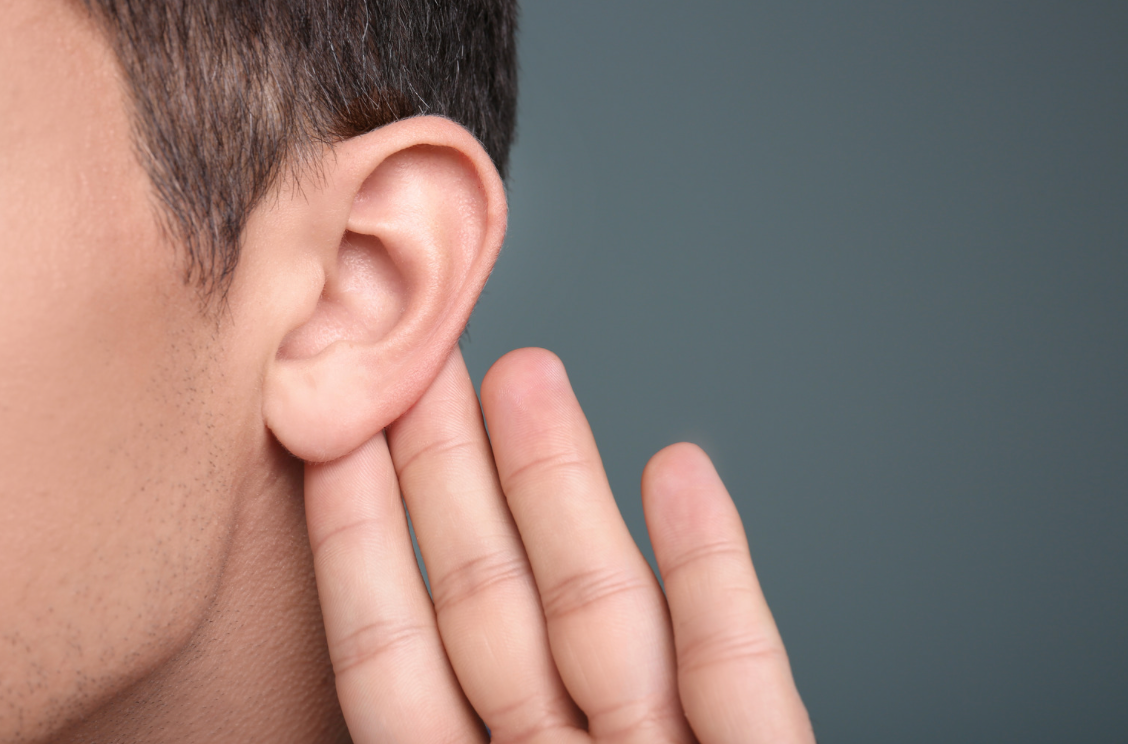
Parkinson’s disease affects movement, making activities like walking challenging and reducing quality of life. Researchers in Italy and the UK tested a non-invasive treatment called transauricular vagus nerve stimulation (taVNS), which uses gentle electrical pulses on the outer ear to stimulate a nerve that influences movement and other functions.
In a study with 10 Parkinson’s patients, taVNS was tested to see if it could reduce overactive brain waves in a movement-control area called the subthalamic nucleus (STN). Patients received both real and imitation treatments, and their walking abilities were compared. The results showed that taVNS improved walking speed, step consistency, and overall walking time. These changes were linked to a 7% reduction in the overactive brain waves in the STN. However, the treatment did not significantly impact the patients’ overall quality of life.
The researchers highlighted that taVNS is non-invasive, making it a more accessible and affordable option compared to surgical treatments. While these early results are promising, larger studies are needed to confirm how taVNS helps walking and whether it can be developed as a reliable treatment for Parkinson’s patients.
Comments (0)
Loading comments...