


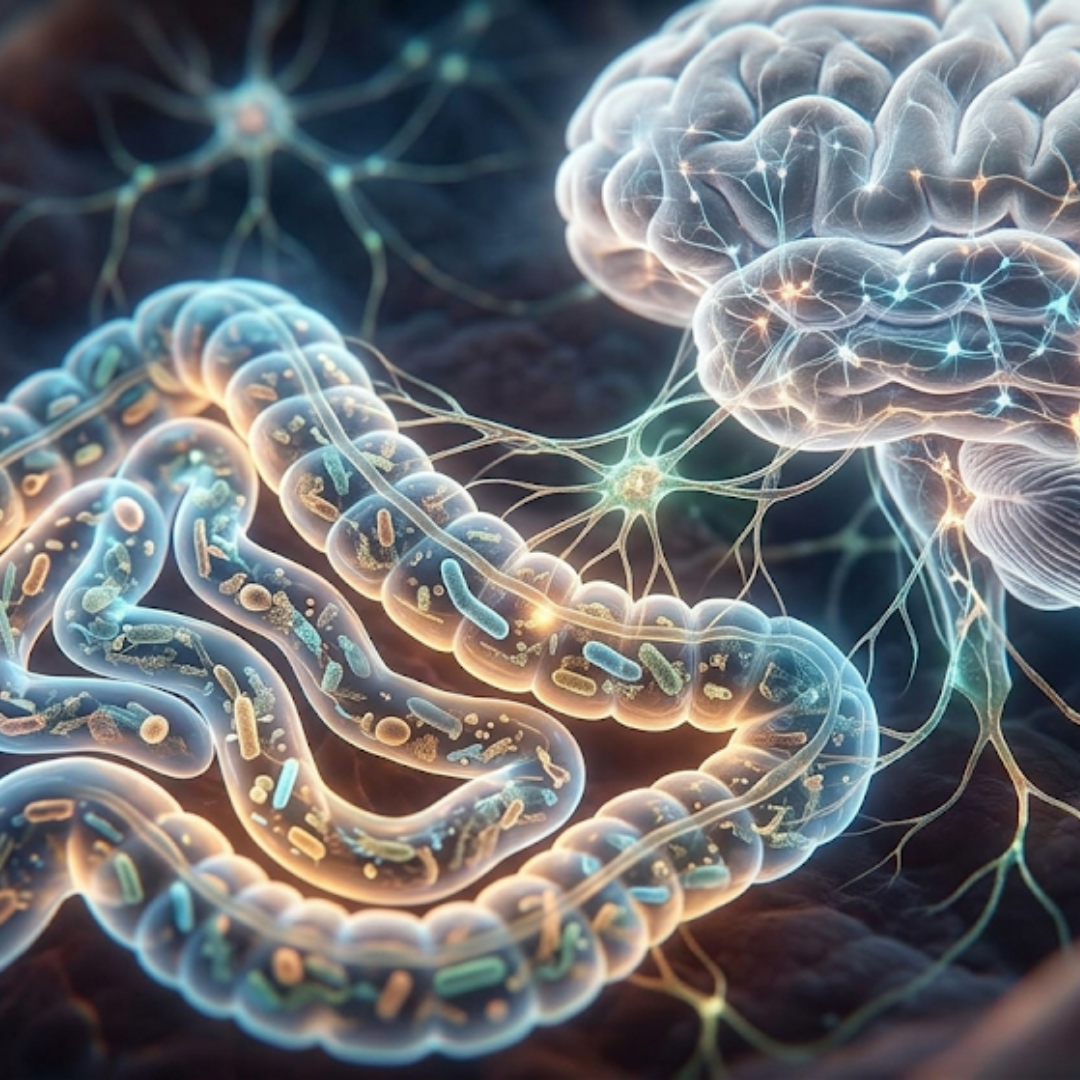
Scientists investigate how restoring gut health could improve Parkinson's movement symptoms
June 29, 2026
 Beatrice
The intricate link between the digestive system and the brain, known as the microbiota-gut-brain axis, is opening up new possibilities for treatment. This bidirectional communication network allows the gut microbiome to interact with the brain through various immune, neural, and metabolic pathways. While researchers have long struggled to determine whether changes in the gut microbiome cause neurological issues or are simply a result of them, understanding these interactions is already altering how the condition is detected, prevented, and treated.
Shared microbial patterns and the timing of symptoms
Even though research methods, geography, and diet vary across global studies, scientists consistently find specific changes in the gut microbiome of people with Parkinson's compared to healthy individuals. Interestingly, Dr Arnout Bruggeman, a neurologist at Ghent University Hospital in Belgium, notes that these identical microbial patterns are also found in people with idiopathic rapid eye movement sleep behaviour disorder, which is a highly specific early warning sign of Parkinson's.
Because gut dysfunction and severe constipation frequently appear during the very earliest stages, well before any motor signs develop, it suggests that microbiome alterations actually precede movement issues. This supports the "bottom-up" hypothesis, which suggests the condition may originate in the gut, where misfolded alpha-synuclein proteins first clump together in the enteric nervous system of the intestines before traveling up to the brain. Others suggest a "brain-first" path, meaning there may be multiple distinct ways the condition starts in different individuals.
The GUT-PARFECT trial and fecal transplants
To explore how altering the microbiome might relieve symptoms, researchers have turned to fecal microbiota transplantation. This involves transferring healthy donor bacteria into a person's intestines to rebalance their gut, an approach already used successfully to treat severe infections like Clostridioides difficile. While animal studies showed improvements in both motor and non-motor symptoms after this process, previous human trials yielded mixed results due to major differences in how the studies were run.
To find clearer answers, Dr Bruggeman and Professor Roosmarijn Vandenbroucke led the GUT-PARFECT clinical trial. They gathered 46 participants aged 50 to 65 and used a nasojejunal tube, which enters through the nose, goes down the throat, passes the stomach, and delivers the mixture directly into the middle part of the small intestine. Half of the group received healthy donor stool, while the control group received a transplant of their own stool.
The team tracked the participants for a full year, checking them at the 3, 6, and 12-month marks. They used the Movement Disorders Society-Unified Parkinson’s Disease Rating Scale motor score to measure changes. By the end of the year, the healthy donor group saw their motor score improve by an average of 5.8 points, compared to a 2.7-point improvement in the control group.
The improvement was most obvious between the 6 and 12-month window, revealing that the therapy has long-lasting effects. Furthermore, the participants who received the healthy donor transplant reported a significant reduction in constipation. Crucially, the relief from constipation happened before the improvements in movement, suggesting that restoring proper gut function might actively help pave the way for neurological recovery.
Overcoming obstacles and moving toward precision cocktails
The trial also highlighted a noticeable and long-lasting response within the control group who received their own stool, meaning larger studies are vital to fully validate these benefits. The research team is currently organizing a larger, multi-centre trial called the CUPIDGUT project, backed by the Grand Challenges Program at VIB, to optimize the process and confirm the findings. At the same time, they are investigating the exact biological mechanisms involved, looking closely at inflammatory pathways, microbial metabolites, and microscopic structures called extracellular vesicles.
Conducting these trials is exceptionally challenging. Designing and running them is time-consuming, complex, and difficult to fund, especially given the limited financial engagement from major pharmaceutical companies. Before this approach can become a mainstream option, scientists still need to determine the absolute best delivery method, define what makes someone an ideal donor, and identify which specific patient traits lead to the best results.
Ultimately, broad transplants may just be a stepping stone. The long-term goal is to move away from crude interventions and toward precision therapeutics. This could include targeted dietary supplements to fuel beneficial bacteria, or precise, lab-grown microbial cocktails.
As an example of this targeted approach, scientists recently discovered a mechanism where the growth of common Escherichia coli bacteria in the gut causes iron and dopamine to oxidize, which directly triggers the clumping of alpha-synuclein, particularly when gut inflammation is present. Using a specialized graphene-based sensor chip to monitor these cell interactions, researchers discovered that caffeic acid, a natural compound derived from the diet, could stop this protein clumping. This opens the door to creating functional foods and highly specific biotherapeutic mixtures designed to protect the nervous system directly from the gut.
Comments (0)
Loading comments...