


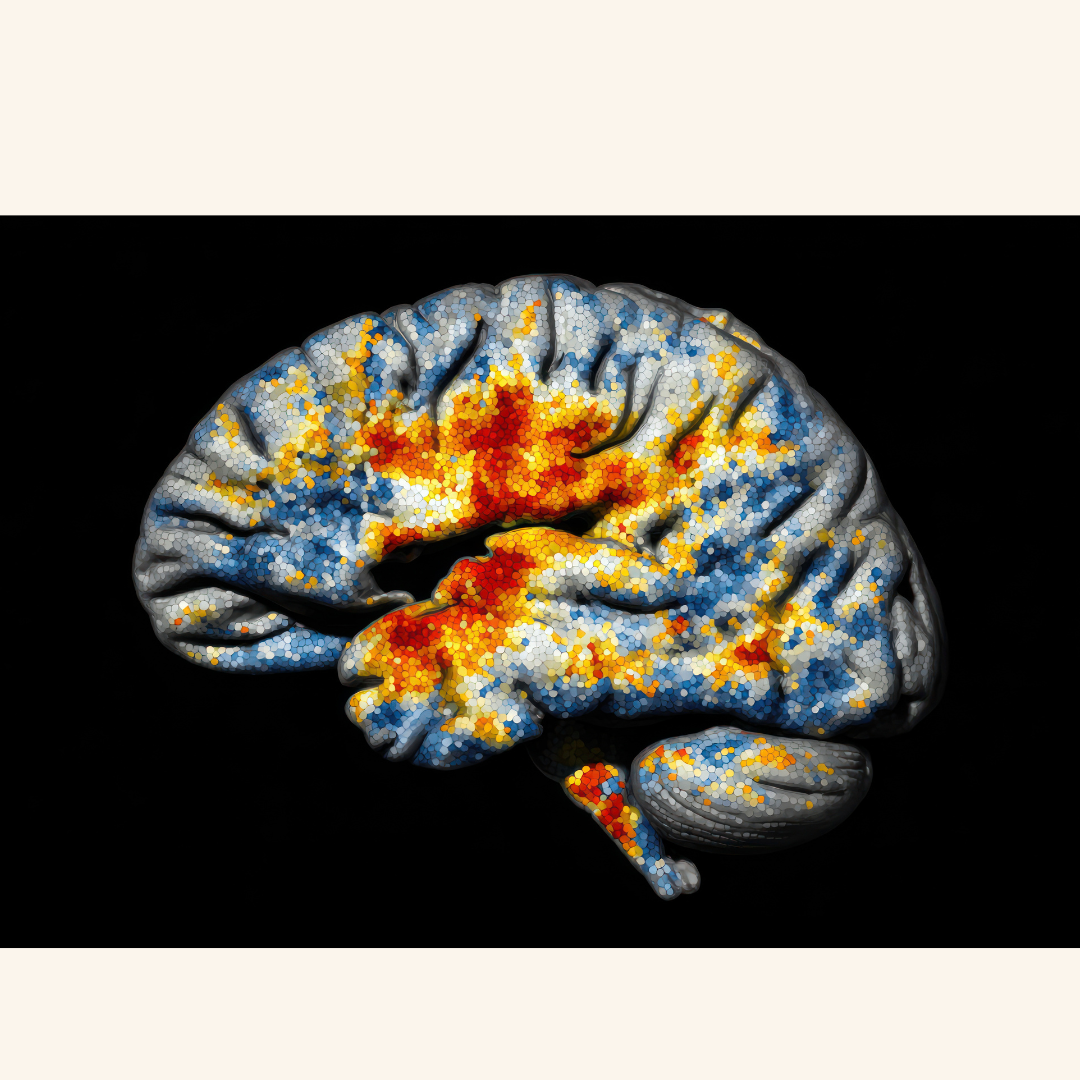
Calpain blockers show early promise for calming brain inflammation in Parkinson’s
September 14, 2025
A new lab study suggests that dialing down a protein called calpain may protect brain cells involved in Parkinson’s. It is careful, preclinical work — done in dishes and in mice, not in people — but it adds weight to the idea that cooling chronic brain inflammation could help slow damage over time.
Parkinson’s is best known for the loss of dopamine-producing neurons deep in the brain. Alongside that loss runs a steady buzz of inflammation: immune cells in the brain, called microglia, can get stuck in an “angry” state, pumping out chemical signals that keep the fires smoldering. Calpain, an enzyme that clips other proteins, appears to be one of the switches that nudges microglia toward this overactive mode and also adds stress inside neurons themselves.
Researchers tested calpeptin, a drug that inhibits calpain, and a more selective calpain-2 blocker across a set of models. In microglial cells exposed to a bacterial trigger, calpain inhibition cut back the release of pro-inflammatory molecules like TNF-α and IL-6, and reduced reactive oxygen species, a kind of cellular exhaust that can damage tissue when it builds up. In neuron-like cells stressed by an immune signal, blocking calpain lowered that oxidative stress and improved cell survival. Taken together, those results point in the same direction: less inflammation, less chemical wear and tear, more resilient cells.
The team then moved to a classic mouse model of Parkinson’s, where a toxin (MPTP) selectively injures dopamine neurons. Mice given calpain inhibitors showed markers of a calmer brain environment: less astrogliosis (a sign that support cells are on high alert), lower levels of inflammatory cytokines in the striatum (the dopamine-dependent movement hub) and in the blood, and reduced levels of ROCK2, a protein tied to inflammatory signaling. In human microglia–like cells, selectively knocking down calpain-2 also reduced the ability of these immune cells to activate certain T cells, hinting that the calpain-2 subtype may be especially important for ramping immune responses.
What does this mean for people right now? It is an encouraging proof-of-concept, not a treatment. Many ideas that look good in cell dishes and in mouse brains never pan out in human studies. We don’t yet know whether calpain blockers get into the right parts of the human brain at safe doses, whether they help across different types and stages of Parkinson’s, or what side effects might show up with long-term use. Calpain enzymes also do useful work in healthy cells, so “turning the dial” too far could have unintended consequences. Those are exactly the questions that only well-designed human trials can answer.
The broader takeaway is still valuable. Parkinson’s is not just about dopamine running low; it’s a whole-brain condition where immune activity, oxidative stress and cellular cleanup systems pull on one another. This study adds another thread to a growing line of research that tries to quiet the inflammatory loop rather than only patching symptoms on the surface. If future trials show that a selective calpain-2 inhibitor can safely cool microglial overdrive in people, it could become one piece of a combination approach alongside medication, exercise, sleep support and other therapies.
Comments (0)
Loading comments...