


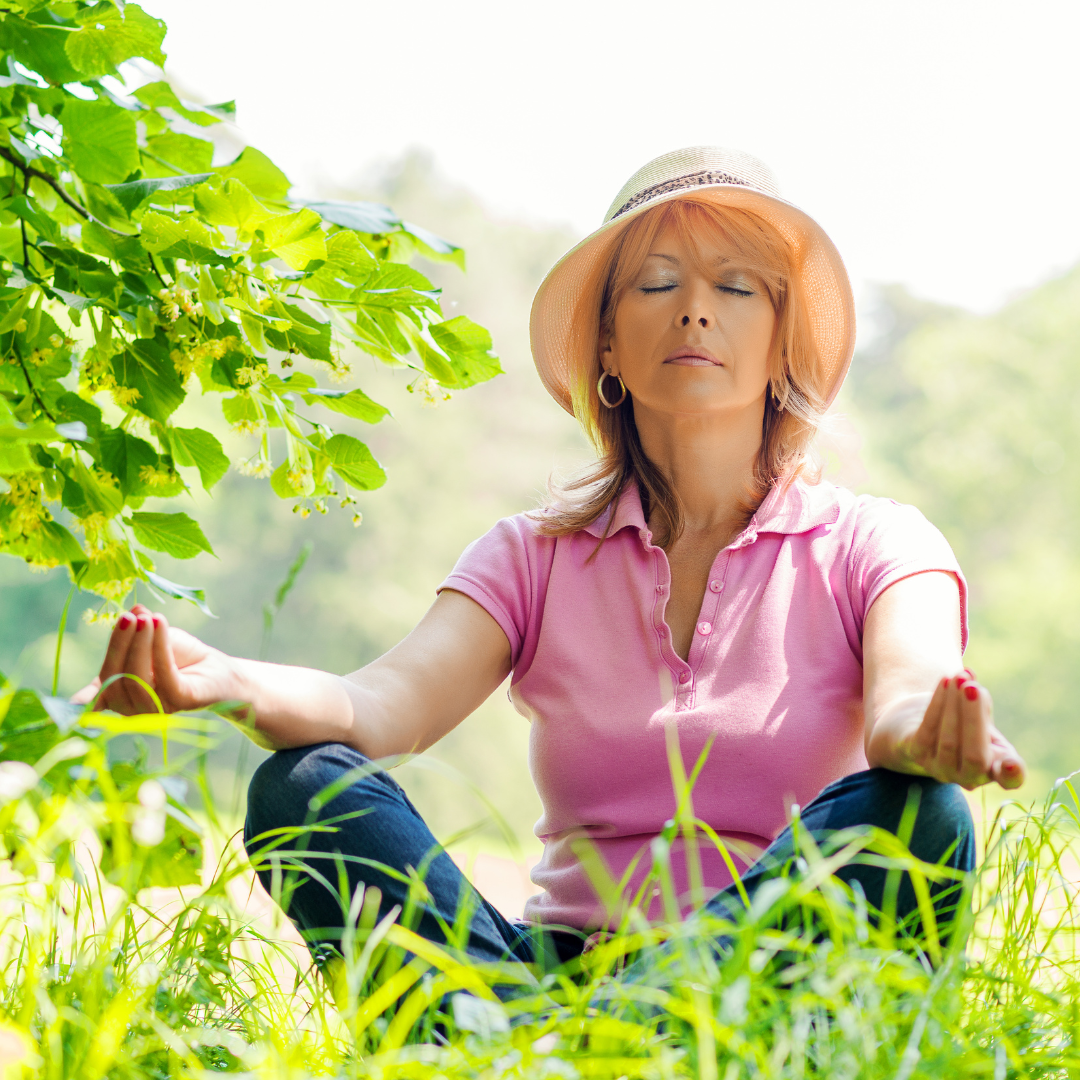
Clinical trials show mindfulness calms anxiety in Parkinson’s but does not stop physical falls
September 15, 2026
 Beatrice
Mindfulness meditation is routinely pitched as a cure all for chronic conditions, but genuine clinical evidence tells a much more specific story. A systematic review published in Neuropsychological Rehabilitation pooled data from fourteen clinical trials, including nine randomised controlled studies, to measure exactly how regular meditation moves the needle in Parkinson’s.
The psychological results are undeniable. Across the board, regular meditation produced statistically significant drops in anxiety and depression, translating into immediate gains in daily quality of life. The internal background alarm that so often amplifies tremors and daily frustration was consistently dialled down. People practicing structured mindfulness proved far better equipped to ride out unpredictable symptom fluctuations without spiralling into panic or chronic stress.
On physical movement, however, the hard data draws a firm line. The review examined walking speed, postural stability, freezing of gait, and balance scores. While a few isolated trials showed modest tweaks in mobility, the combined evidence failed to demonstrate meaningful, measurable motor improvements.
Falls prevention showed the sharpest contrast of all. Meditation reliably reduced the paralysing fear of falling, breaking the vicious cycle where anxious tension makes a stumble more likely. Yet despite calmer minds, the studies recorded no actual decrease in physical falls.
The verdict is straightforward. Mindfulness is a proven, high impact tool for lifting mood, steadying nerves, and reclaiming mental resilience. But it cannot substitute for physiotherapy or targeted balance exercise. Practise it to quiet the mind, but keep up the physical training to keep your feet firmly on the ground.
Comments (0)
Loading comments...