


Could Vitamins Have a Positive Impact on the Treatment of Parkinson’s Disease?
September 16, 2024
Parkinson's disease is a progressive brain disorder that causes movement problems due to the loss of dopamine-producing neurons. Oxidative stress, caused by harmful molecules, plays a major role in the damage seen in PD. While there is no cure, vitamins that have antioxidant and anti-inflammatory properties might help protect the brain and slow down the disease.
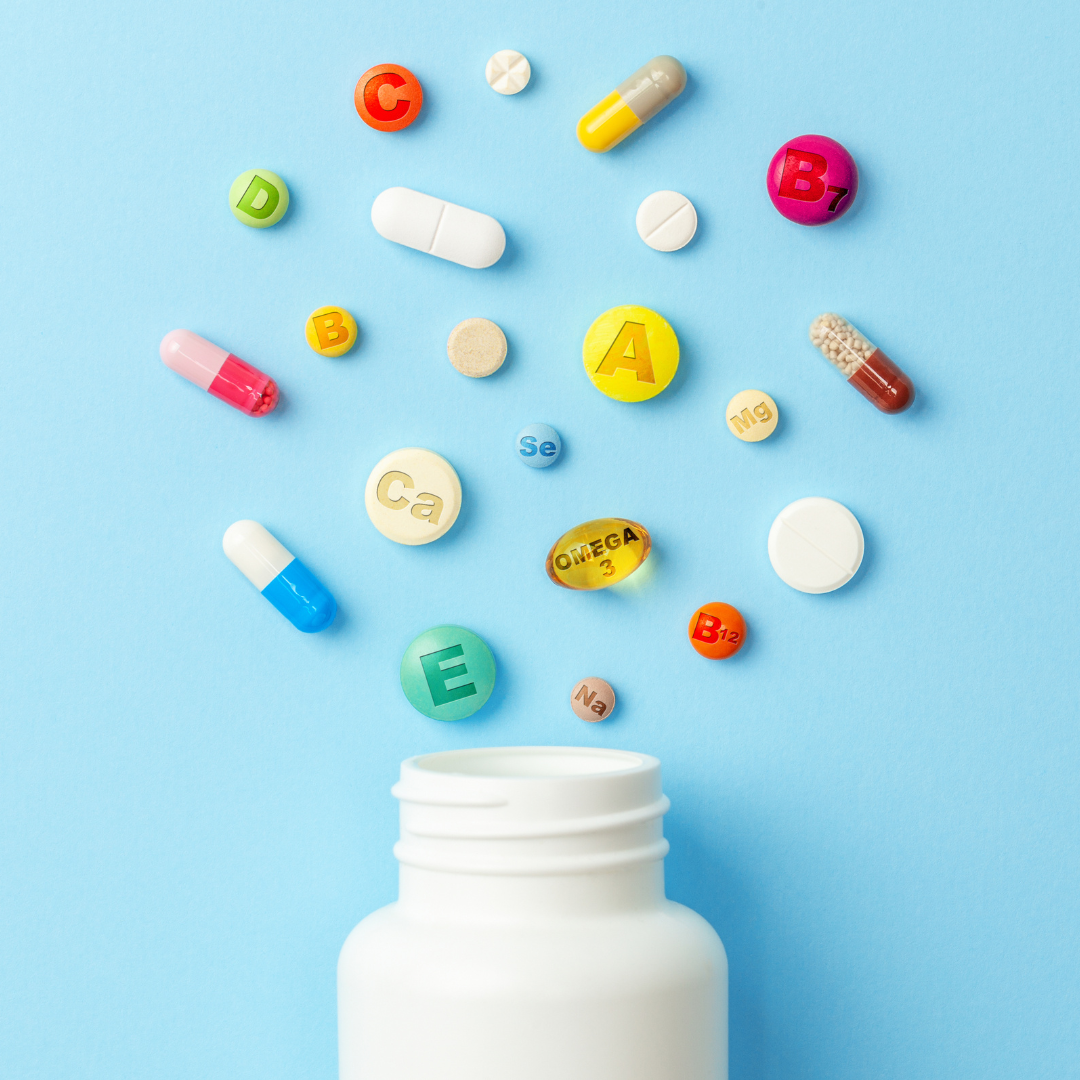
This review looks at how different vitamins (A, B, C, D, E, and K) could help in treating PD. Studies suggest that a deficiency in these vitamins may increase the risk of PD, and taking them as supplements might reduce symptoms and slow the disease. Vitamins help by reducing oxidative stress and improving brain function, but more research is needed to fully understand their benefits and determine safe dosage levels.
Oxidative stress is a key factor in the damage that occurs in Parkinson’s disease (PD). This happens when harmful molecules, like reactive oxygen species (ROS), build up in the brain and damage cells, especially the dopamine-producing neurons. Studies show that people with PD have higher levels of oxidized proteins, fats, and DNA, and lower levels of protective antioxidants like glutathione and enzymes that combat oxidative stress.
Both genetic mutations and environmental toxins, such as pesticides, can increase oxidative stress, leading to brain cell damage. Neuroinflammation, which is when the brain’s immune cells (like microglia) become overactive, also plays a significant role in PD. These immune cells release substances that cause more damage to the brain, making the disease worse.
Research suggests that what we eat can impact PD. For instance, probiotics (found in fermented foods) can improve gut health, which might reduce inflammation that contributes to PD. Foods rich in antioxidants, such as fruits, vegetables, and spices, may help protect the brain from damage. Specifically, flavonoids (found in foods like oranges, apples, and red wine) and caffeine have shown protective effects by reducing inflammation and oxidative stress.
On the other hand, some evidence suggests that dairy products like milk may be linked to a higher risk of PD, possibly because they lower uric acid levels, which may have a protective effect.
In summary, targeting oxidative stress and neuroinflammation through nutrition and antioxidants, such as vitamins, could be a promising strategy to help manage or slow the progression of Parkinson's disease.
Here's a summary of the roles of various vitamins in relation to PD:
Vitamin A: This vitamin, found in foods like fish, dairy, and vegetables, acts as a strong antioxidant. It helps protect brain cells by reducing inflammation and oxidative stress. Studies suggest that vitamin A and its active form, retinoic acid, can reduce motor impairments and prevent the loss of dopamine-producing neurons in animal models of PD. However, high doses of vitamin A might cause more harm than good, potentially increasing oxidative stress and neuronal damage. Some studies in people have not found a clear link between vitamin A levels and PD risk, indicating more research is needed to fully understand its impact on the disease.
The Vitamin B family includes several essential nutrients with antioxidant and anti-inflammatory properties that may help protect against Parkinson's disease (PD). Here's a simple overview of the roles of different B vitamins in relation to PD:
Vitamin B1 (Thiamine): Found in foods like meat, fish, and nuts, vitamin B1 helps with brain function and energy production. A lack of thiamine can increase the risk of PD and worsen symptoms. Some studies suggest that high doses of vitamin B1 can improve motor symptoms in PD patients, but results are mixed, and more research is needed to determine the best use.
Vitamin B3 (Niacin): Present in fish, meat, and vegetables, vitamin B3 helps protect neurons and reduce inflammation. It has been shown to improve motor symptoms and prevent neuron damage in PD models. Vitamin B3 works by reducing oxidative stress and inflammation, which are both involved in PD.
Vitamin B6 (Pyridoxine): Found in foods like poultry, fish, and potatoes, vitamin B6 is important for brain health and metabolism. A deficiency in vitamin B6 is linked to an increased risk of PD, while a higher intake seems to lower the risk. It plays a role in neurotransmitter production and cellular protection.
Vitamin B12 (Cobalamin): Commonly found in animal products like meat and dairy, vitamin B12 is crucial for nerve function and brain health. Deficiency in vitamin B12 is associated with cognitive and movement problems in PD. Supplementing with vitamin B12 can reduce some PD symptoms and improve overall health.
In summary, these B vitamins help protect against PD by reducing oxidative stress and inflammation, supporting brain function, and improving symptoms. However, more research is needed to confirm their effectiveness and determine optimal dosages for PD management.
Vitamin C, found in fruits like oranges and vegetables like broccoli, is known for its antioxidant and anti-inflammatory benefits. Here's how it relates to Parkinson's disease (PD):
Antioxidant Power: Vitamin C helps protect cells from damage caused by harmful molecules called free radicals. This is important because oxidative stress (cell damage from free radicals) is a key factor in PD.
Deficiency Link: People with Parkinson's disease often have lower levels of vitamin C. Studies suggest that not getting enough vitamin C might increase the risk of developing PD.
Benefits of Supplementation: Adding more vitamin C to the diet may help slow down the progression of PD symptoms. It does this by reducing oxidative stress and inflammation in the brain, protecting neurons, and possibly even preventing the formation of harmful protein clumps associated with PD.
In summary, vitamin C might help protect against Parkinson's disease by fighting oxidative stress and inflammation, making it a promising option for both prevention and treatment.
Vitamin D is a vital nutrient that our bodies get from sunlight and some foods. It’s important for overall health, including brain function. Here's a simple summary of its role in Parkinson's disease (PD):
Sources and Deficiency: Vitamin D is mainly produced by our skin when exposed to sunlight. However, many people, especially older adults or those living in places with less sunlight, may not get enough vitamin D. This deficiency is linked to various health issues, including Parkinson's disease.
Impact on PD: Low levels of vitamin D are common in people with Parkinson’s disease. This deficiency can worsen motor symptoms, memory issues, and balance problems. It also increases the risk of bone fractures, which is a concern for people with PD.
How Vitamin D Helps: Vitamin D works by interacting with specific receptors in the brain that are involved in movement and cognition. It helps protect neurons (nerve cells) from damage and reduces inflammation. It also supports dopamine production, which is crucial for controlling movement.
Supplementation Benefits: Taking vitamin D supplements, particularly in the form of vitamin D3, can help improve symptoms of Parkinson's disease. It can reduce inflammation, protect brain cells, and support overall brain health.
In short, getting enough vitamin D is important for managing Parkinson's disease and may help reduce symptoms and protect against further damage.
Vitamin E is a powerful antioxidant that helps protect our cells from damage by free radicals. Here’s how it relates to Parkinson's disease (PD):
Role in Cells: Vitamin E helps safeguard cell membranes and prevent damage from free radicals, which can harm neurons (nerve cells) and contribute to neurodegenerative diseases.
Vitamin E and Parkinson's Disease: People with Parkinson’s disease often have lower levels of vitamin E. Studies have shown that a lack of vitamin E can lead to neuron damage and worsen PD symptoms. However, taking vitamin E supplements can protect neurons by preventing cell damage and reducing inflammation.
Benefits of Supplementation: Vitamin E supplements have been found to improve movement, boost antioxidant levels, and reduce harmful protein buildup in PD models. It can also help reduce oxidative stress and inflammation in the brain.
Diet and Risk: Eating foods rich in vitamin E may lower the risk of developing Parkinson’s disease. High vitamin E intake is generally linked to a lower risk of PD.
Combined Treatment: Some studies suggest that combining vitamin E with other antioxidants, like vitamin C or omega-3 fatty acids, can provide additional benefits, such as slowing disease progression and improving overall symptoms.
In summary, vitamin E helps protect brain cells and can be beneficial in managing Parkinson’s disease, either alone or in combination with other treatments.
Vitamin K is a fat-soluble vitamin with two main forms: K1 and K2. Here’s how it relates to Parkinson’s disease (PD):
Role in the Brain: Vitamin K helps make important parts of brain cell membranes. It’s involved in maintaining healthy neurons.
Research Findings: Studies on vitamin K and Parkinson’s disease are limited. However, some research suggests that low levels of vitamin K2 might be linked to the progression of PD. This could make vitamin K2 a useful marker for diagnosing the disease.
Potential Benefits: Vitamin K2 might help with problems in the mitochondria (the energy powerhouses of cells), especially in people with certain genetic issues related to PD. It’s been shown to improve mitochondrial function and reduce some of the damage seen in PD models.
Anti-Inflammatory Effects: Vitamin K2 may also reduce inflammation in the brain, which can help protect neurons from damage.
In summary, while more research is needed, vitamin K2 shows promise as a potential tool for diagnosing and treating Parkinson’s disease by supporting brain health and reducing inflammation.
In summary, vitamins show promise as part of a treatment strategy for PD, but further studies are required to verify their effectiveness and how they might prevent or treat the disease.
Comments (0)
Loading comments...