


Leg strength in midlife predicts brain health ten years later
July 1, 2026
 Beatrice
A fascinating study from King's College London sheds light on a powerful indicator of brain health. Although the research was published ten years ago, its findings remain incredibly relevant to everyday wellness and proactive health management.
The structure of the research
The study, published in the journal Gerontology in late 2015, followed 324 healthy female twins over a ten year period. The participants had an average age of 55 at the start of the study, capturing a vital midlife window.
By studying twins, the researchers could look past shared genetics and early life environments. If one twin showed better brain health than her identical sibling based on lifestyle differences, the researchers could confidently isolate those specific lifestyle factors.
The researchers measured physical fitness using a specialised device that tracks the force and speed of leg extensions. At both the start of the study and ten years later, the participants completed a series of computerised cognitive tests measuring memory, processing speed, and mental flexibility. A subset of identical twins also underwent brain scans twelve years after the initial test to examine physical brain structure.
Key findings on brain preservation
The results revealed a striking connection between leg power and cognitive preservation. Individuals who possessed greater leg strength at the start of the study experienced significantly less cognitive decline over the subsequent decade compared to those with weaker leg strength.
The brain scans provided physical evidence supporting these test results. Twins with greater leg power at the baseline measurement maintained more total grey matter ten years later. Grey matter contains the neuronal cell bodies critical for processing information, memory, and decision making. Furthermore, twins with lower leg power showed larger lateral ventricles, which are fluid filled spaces in the brain that typically expand as surrounding brain tissue shrinks or ages.
Importantly, this protective relationship remained robust even after adjusting for variables like diet, smoking, blood pressure, blood glucose, and historical birthweight. Leg power actually performed as a better predictor of cognitive change than self reported physical activity levels.
Relevance to people with Parkinson's
While this study evaluated healthy older adults, the insights carry profound meaning for people with Parkinson's. The condition directly impacts movement, balance, and muscle activation, making the preservation of lower limb strength a key priority.
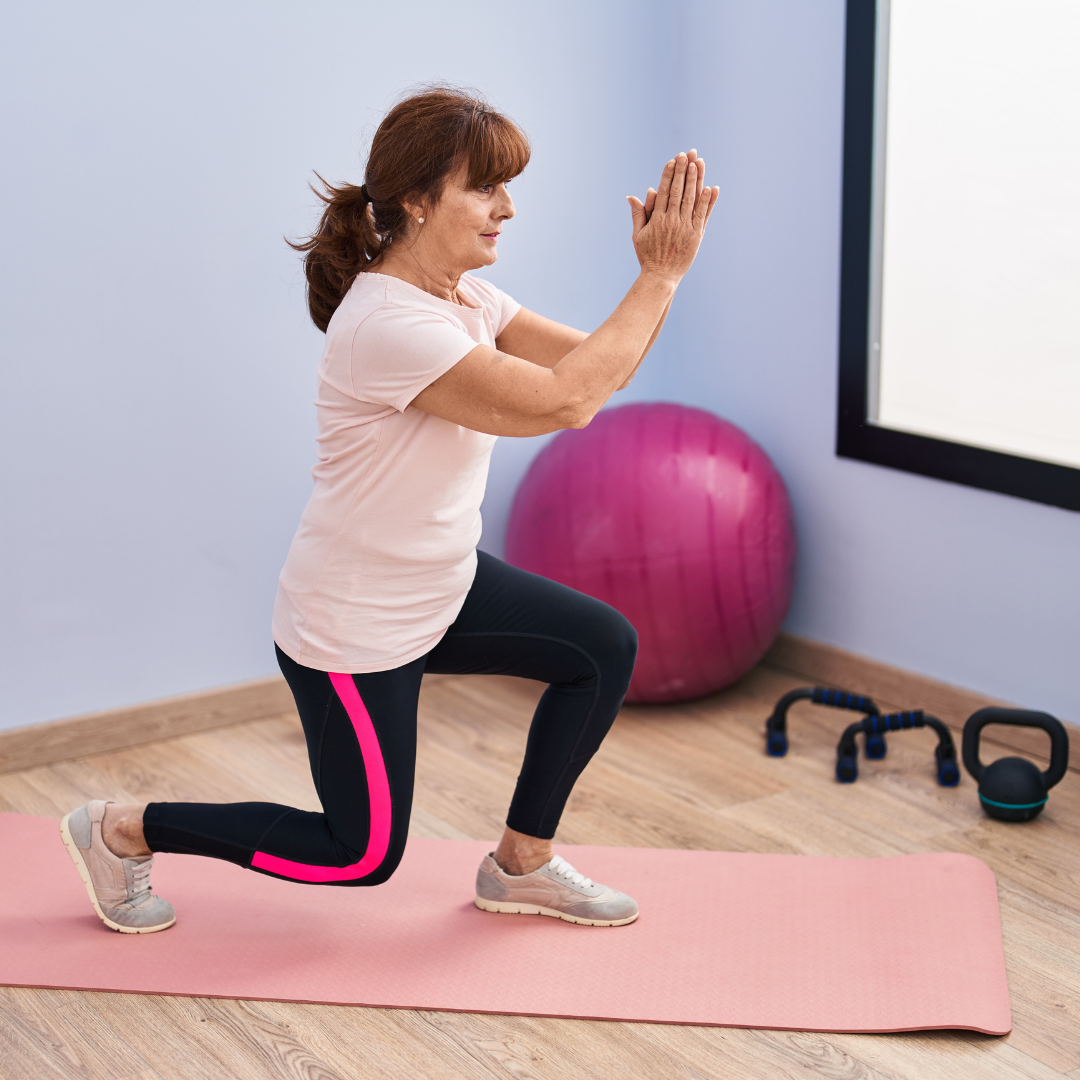
The finding that leg power protects grey matter and cognitive processing speed highlights a dual benefit for people with Parkinson's. Exercises focused on leg power, which requires both force and speed, do more than just stabilize gait and reduce the risk of falls. This type of physical conditioning directly supports the brain structures responsible for executive function and cognitive resilience.
Targeting leg strength through functional movements can serve as a vital tool to help protect both physical mobility and cognitive health simultaneously.
Comments (0)
Loading comments...