


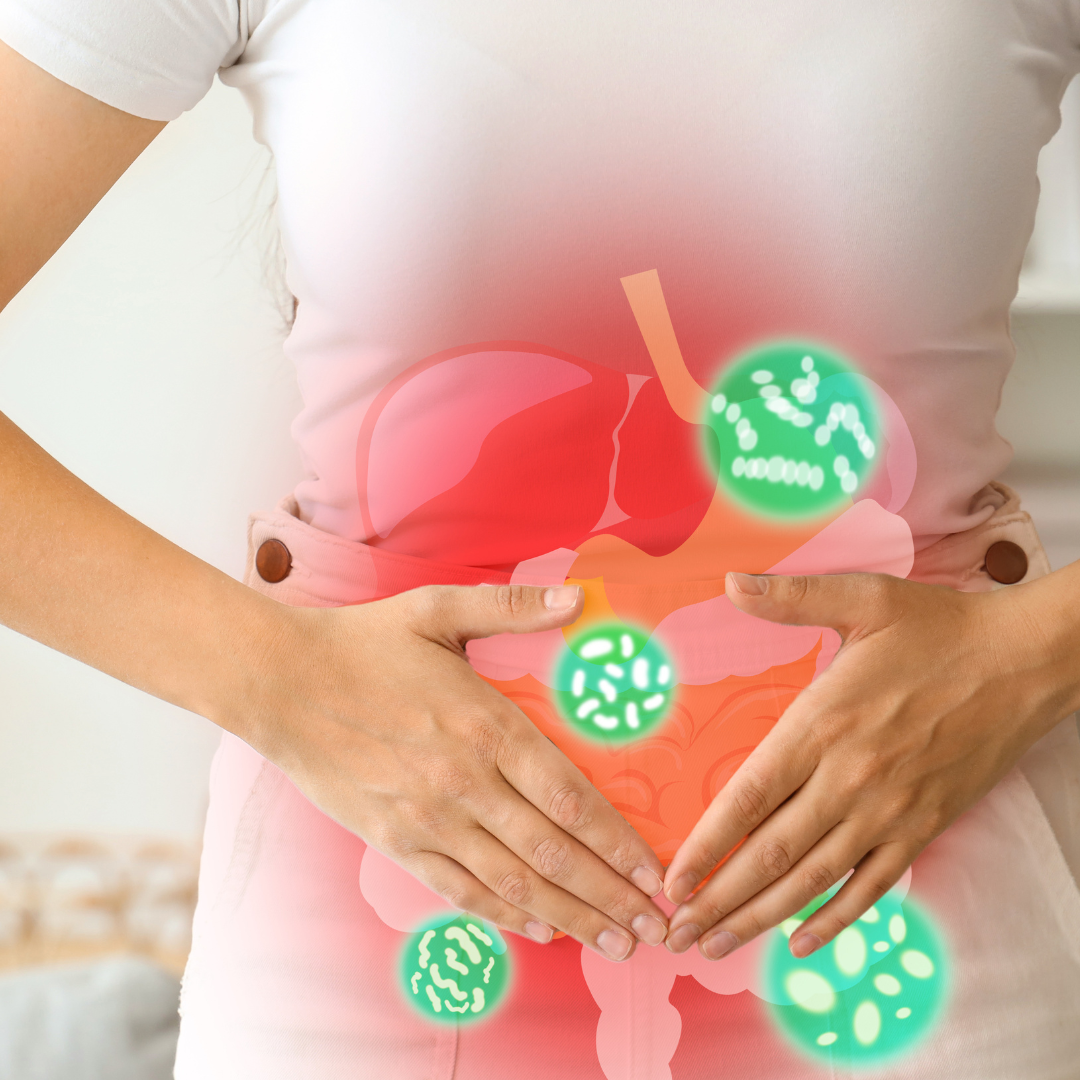
Gastrointestinal changes driven by ageing directly interfere with how well oral levodopa works in Parkinson's
July 14, 2026
 Beatrice
Oral levodopa remains the core treatment for managing Parkinson's, but its effectiveness often drops as people grow older. A comprehensive scientific review published in the European Journal of Pharmaceutics and Biopharmaceutics has revealed that this decline is not simply caused by a need for higher doses, but because the ageing process significantly reshapes the digestive environment.
The research shows that ageing triggers a wave of changes along the digestive tract, including a decline in gut muscles, thinner and more fragile intestinal linings, and altered chemical balance in the stomach. On top of these changes, natural variations in the gut microbiome and nerve changes in the digestive system combine to create an unpredictable environment for oral medications.
These factors cause major issues for levodopa absorption. When gastric emptying is delayed and food or medication moves inconsistently into the small intestine, the drug cannot enter the bloodstream reliably. Furthermore, certain altered gut bacteria can actually metabolise and break down the medicine before the body can absorb it. The result is a highly unstable pattern of drug delivery, leading to an erratic onset of action and fluctuating levels of the medication in the bloodstream.
Scientists argue that future treatments must move away from simply trying to force the body to absorb more of a drug on average. Instead, pharmaceutical design needs to shift towards creating smart, ageing-aware oral formulas that are specifically built to withstand the complex, changing environment of an older digestive system, ensuring a steady and reliable therapeutic effect.
Comments (0)
Loading comments...