


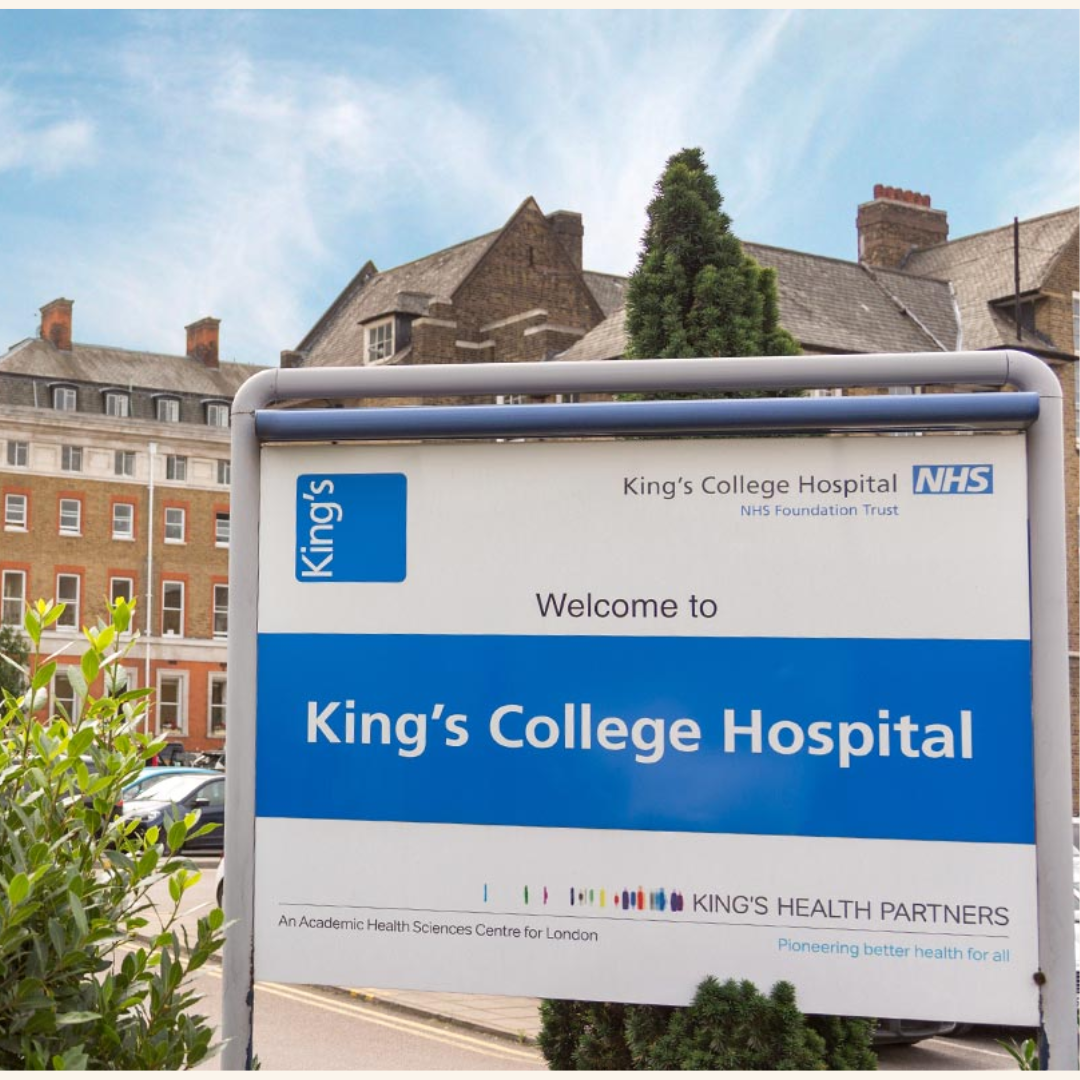
How widespread hospital management failures clouded the final results of the phase 3 exenatide trial for Parkinson's
June 27, 2026
 Beatrice
A cloud of uncertainty has formed over what was considered the most promising clinical trial for Parkinson's in years. The Lancet, one of the world's most prestigious medical journals, has taken the unusual step of issuing a formal Expression of Concern regarding a major Phase 3 study of the drug exenatide.
This public warning follows a regulatory inspection by the Medicines and Healthcare products Regulatory Agency (MHRA), the UK medicines watchdog. The inspection uncovered department-wide failures in trial management at King's College Hospital in London, which was one of the primary medical centres running the study.
The Breakthrough That Everyone Was Waiting For
For a long time, exenatide has been at the centre of intense scientific hope. Whilst current treatments do an excellent job of managing symptoms by replacing lost dopamine, they act like a sticking plaster. They do not stop the underlying, gradual loss of brain cells.
Exenatide belongs to a class of medications called GLP-1 receptor agonists, which are widely used to treat diabetes and weight loss. Scientists believed this drug could do something revolutionary for Parkinson's: act as a shield to protect brain cells from dying.
The trial followed 194 people with Parkinson's aged between 25 and 80 across six top UK research hospitals. For two years, half of the participants took weekly injections of exenatide, whilst the other half took a dummy treatment, known as a placebo.
To understand why this trial mattered so much, we have to look at the global research landscape. In early 2024, there were 136 active clinical trials testing various drugs for Parkinson's, but not a single approved medication existed that could officially claim to alter the course of the condition. Exenatide was widely expected to be the very first one to cross that finish line.
What Actually Went Wrong at King’s College Hospital?
The current issue does not mean the science behind the drug is wrong. Instead, it is a problem with how the trial was physically conducted at a major site.
The MHRA watchdog found widespread failures in Good Clinical Practice (GCP) at the King's College Hospital trust. Good Clinical Practice is the strict international rulebook that governs medical research. It ensures two vital things: that patient safety is protected, and that the data collected is completely accurate and reliable.
The inspectors used the phrase "department-wide concerns." In the medical research world, that specific phrase is a massive red flag. It means these were not isolated, accidental mistakes made by a single nurse or coordinator. It signals a systemic breakdown in management, oversight, and quality control across the entire hospital department.
Furthermore, historical records show that the hospital had faced minor scrutiny before. Twenty five years ago, in February 2001, a US Food and Drug Administration (FDA) inspection at their Denmark Hill site flagged conditions that did not meet standard requirements, though it did not trigger serious penalties at the time. Whilst a single issue from decades ago proves nothing on its own, it highlights the absolute necessity for rigorous ongoing monitoring, which appears to have failed here.
The Domino Effect on Global Research
In the past, people running multi-centre trials operated under the assumption that if one hospital failed, the other five would save the project. However, that logic falls apart when the failing site is a massive academic heavyweight like King’s College Hospital, which contributed a huge chunk of the 194 participants and gave the study its initial scientific credibility.
If the data from King's College Hospital is viewed as unreliable, it might have to be thrown out completely. This would leave researchers with too few participants to prove whether the drug actually works.
The damage could extend far beyond exenatide. Other similar diabetes drugs, such as liraglutide, have shown excellent promise in smaller Phase 2 trials involving 63 people. Because exenatide was the absolute anchor for this entire scientific theory, a collapse of its data could cause pharmaceutical sponsors to lose confidence, potentially stalling or cancelling future trials for an entire family of promising neuroprotective drugs.
The Missing Warning Signs
One of the most alarming aspects of this situation is the timeline. The study was published to global acclaim in February 2025, yet the public warning from The Lancet was only triggered in May 2026, fifteen months later.
Under British regulations, the organisations sponsoring a trial are legally responsible for watching their sites like a hawk. They are supposed to perform regular checks, verify patient files, and catch training gaps early. If a whole department was struggling, those warning signs should have triggered internal alarm bells and paused the trial whilst it was still active. The fact that it took an independent regulatory inspection long after the trial ended to find these errors shows that the internal monitoring systems completely failed to spot what was hiding in plain sight.
The Twists in the Tail: A Definite Failure Under Review
This development introduces a profound paradox to the Parkinson's research community, which is well-documented in updates from funding partners like Cure Parkinson’s. When the full Phase 3 results were finally published last year, the headline news was clear: the trial had failed. The data showed no statistically significant difference between exenatide and the placebo in slowing down motor symptoms, and analysis of spinal fluid suggested that perhaps not enough of the drug was physically reaching the affected areas of the brain.
The chief investigators stated at the time that the result was definitive. However, the new compliance findings create two significant twists that alter how we view that failure:
In clinical research, a trial must be executed perfectly for a "failed" result to truly prove a drug doesn't work. Because the management at King's College Hospital was flawed, scientists now face a frustrating puzzle. Did exenatide fail because the medicine genuinely does not work for Parkinson's, or did it fail because the data collection was so messy and poorly handled at a major site that it masked the drug's true effects?
Organisations like Cure Parkinson's have spent years highlighting that exenatide is just one member of a larger family of diabetes drugs. Other similar medications, like lixisenatide, have shown highly encouraging results in separate Phase 2 trials. If the exenatide Phase 3 data is completely tainted by these management failures, it means the trial cannot be used as a solid, trustworthy anchor. Other researchers cannot cleanly learn from its mistakes or its data to design better trials for the next generation of diabetes drugs aiming to protect the brain.
What Happens Next?
The medical community is watching closely for two critical developments over the next ninety days:
The Lancet’s Final Decision: The journal will either completely retract the study, issue a formal correction, or clear it if the research team can produce flawless documentation to defend their work.
The Watchdog's Official Rating: The MHRA will publish its formal classification of the failures. If they label the issues as "Critical," the trial sponsors will be legally forced to notify health authorities worldwide, and the integrity of the data will face a severe, possibly fatal, reassessment.
The underlying science remains highly credible, but whether this specific breakthrough survives depends entirely on what the official inspection documents reveal.
Comments (0)
Loading comments...