


Herbal injection eases pain and protects dopamine cells in a laboratory model
June 22, 2026
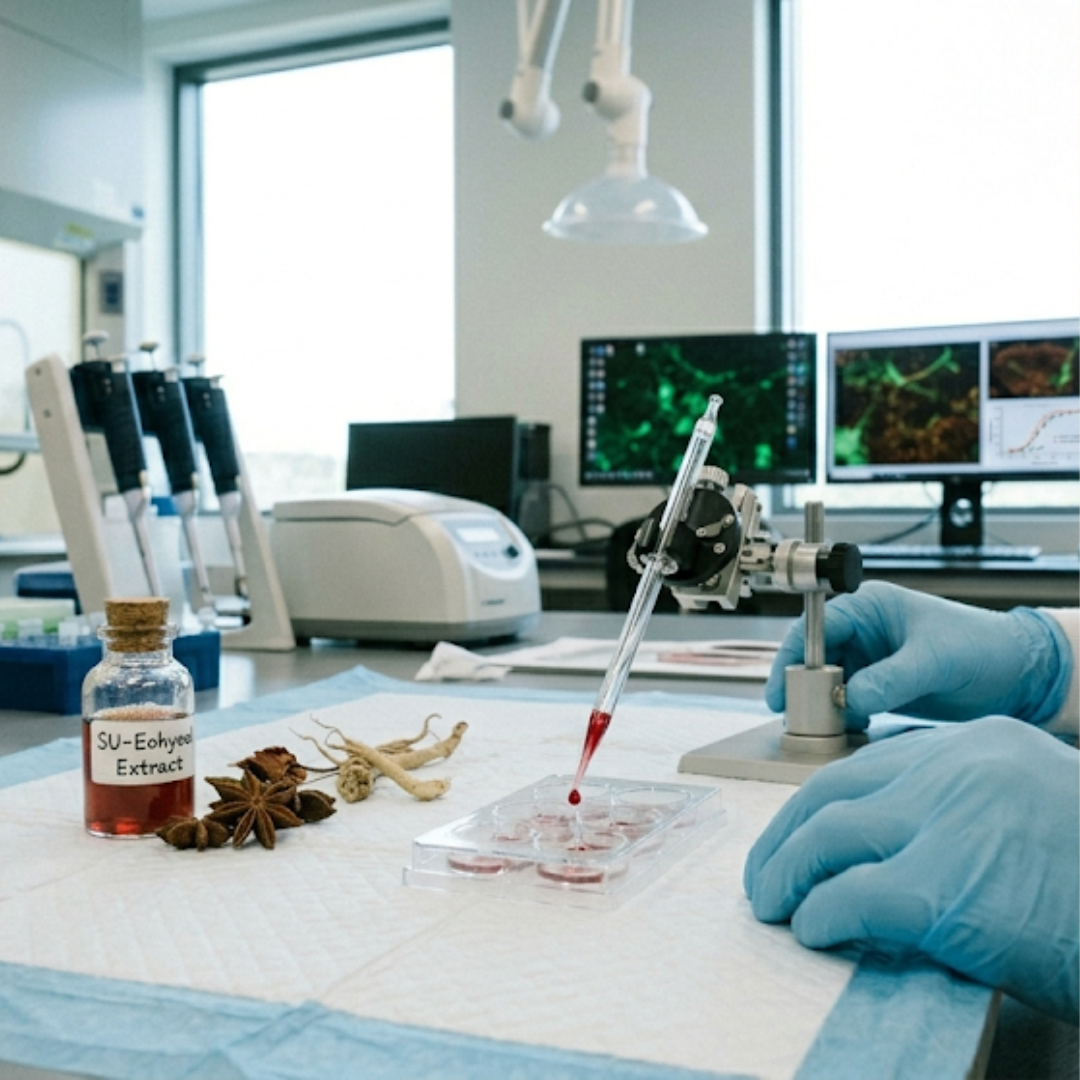
South Korean researchers have discovered that a specialised herbal injection called SU Eohyeol pharmacopuncture can significantly relieve physical discomfort and protect brain cells in a laboratory model of the condition.
While public awareness often centres on movement issues, internal physical discomfort is a widespread hurdle that deeply impacts daily life for people with the condition. Standard medications do not always offer complete relief, which drives scientists to look for alternative approaches. This new study explored a technique that combines traditional acupuncture with modern medicine by injecting precise doses of herbal extracts directly into specific acupuncture points.
The research team tested this formulation on mice treated with a chemical called MPTP, which reproduces the cell damage and symptoms seen in the condition. They focused their treatment on a traditional leg acupuncture point known as GB34, or Yanglingquan, which is located just below the outer side of the knee.
The laboratory results revealed that injecting this herbal mixture into the leg acupoint significantly reduced pain sensitivity. On a molecular level, the treatment lowered a spinal cord marker called c-Fos, which is a protein that normally spikes when the body processes strong pain signals.
Beyond just easing physical discomfort, the herbal therapy appeared to actively safeguard the brain. It protected vital dopamine-producing nerve cells in a brain region called the substantia nigra, which is the exact area most affected by the condition. The treatment achieved this by boosting a crucial growth protein called brain-derived neurotrophic factor, which acts like a fertilizer to help brain cells survive. By preserving these dopamine cells, the therapy successfully helped restore better physical movement and coordination in the laboratory models.
To understand exactly how this botanical blend achieved these dual benefits, the researchers tracked the precise internal pathways involved. They discovered that the treatment relies entirely on activating two specific biological receptors in the body. The first is the CB1 receptor, which is part of the body's natural endocannabinoid system and plays a major role in regulating pain. The second is PPARgamma, a special receptor inside cells that helps calm down internal inflammation.
To confirm this link, the scientists intentionally blocked these two receptors using specific chemical blockers. When those pathways were shut down, the pain relief and brain-protecting benefits of the herbal injection completely disappeared. This proved that the treatment works directly through these specific systems to reduce swelling and support nerve health.
While clinical trials in humans are still required to confirm the safety and effectiveness of this specific blend, these findings offer an encouraging look at how traditional therapies can be modernised to target complex biological pathways and improve daily comfort.
Comments (0)
Loading comments...