


New Study by Dr Laurie Mischley Reveals How Gut Viruses and Bacteria Hijack Brain Chemicals
February 2, 2026
You have likely heard a thousand times that the gut is the "second brain", but a groundbreaking study published this week has finally popped the hood to show us exactly how that engine works—and it involves a lot more than just bad bacteria. Published on 30 January 2026 in Nature's NPJ Parkinson's Disease, this research led by Dr Laurie Mischley and her team at Bastyr University moves the conversation from simple "good vs bad" bugs to a complex ecosystem involving viruses and stolen neurotransmitters.
The researchers used a technique called whole-genome sequencing to look at the entire DNA map of the gut microbiome in people with Parkinson's compared to healthy controls. They found the expected shift in bacterial populations, specifically an increase in Firmicutes and a drop in Bacteroidetes. However, the real headline is the discovery of "bacteriophages". These are tiny viruses that infect bacteria, and they appear to be swarming differently in those with the condition. The study found significantly higher levels of specific phage families, suggesting that the war being fought in your gut isn't just between bacteria, but involves a viral layer that we have largely ignored until now.
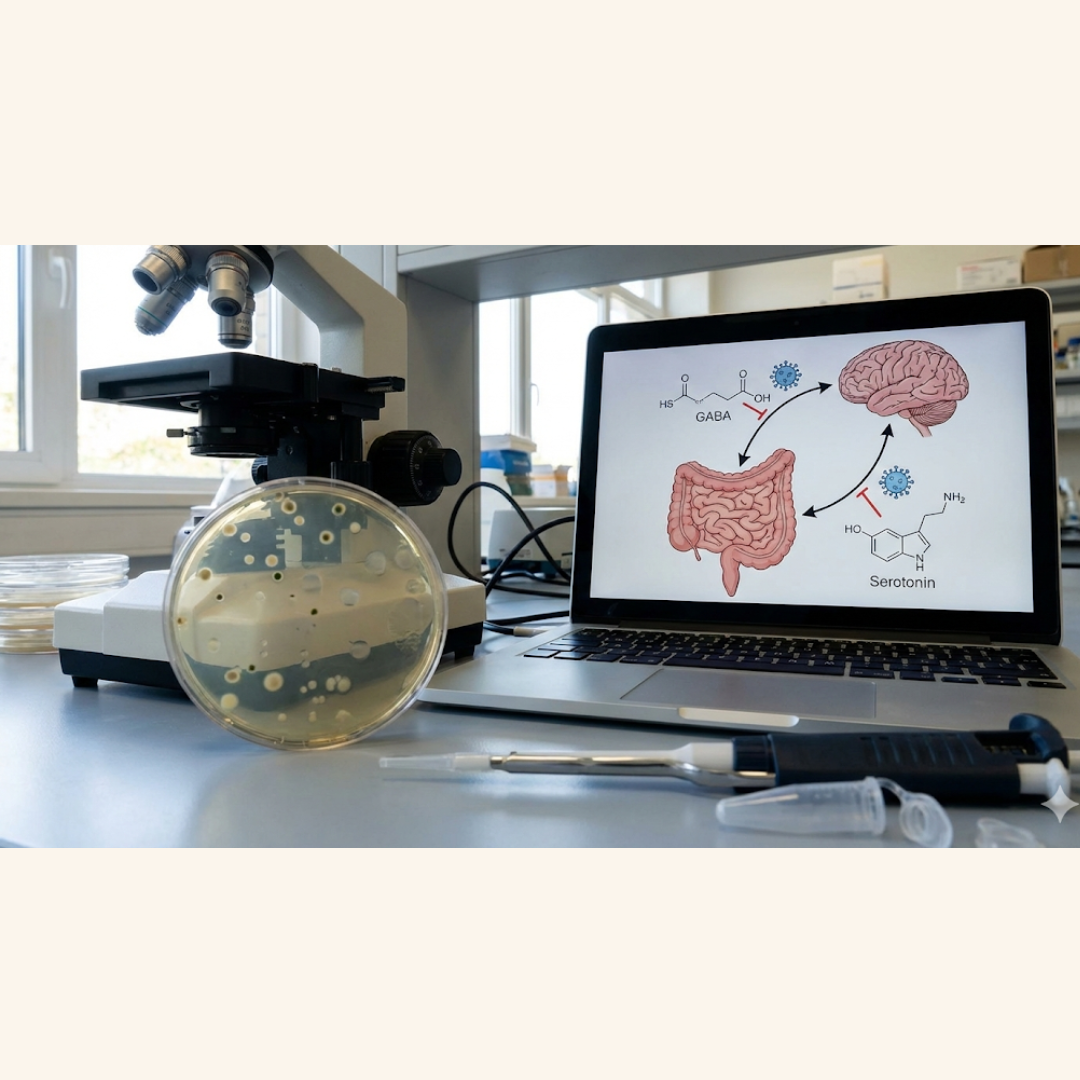
What makes this study particularly relevant for us is that it didn't just count the bugs; it looked at what they are actually doing. The team identified ten specific functional pathways that are misfiring. Crucially, they discovered that these microbial colonies are disrupting the genes responsible for metabolising GABA and serotonin. These are two of the most critical chemical messengers for the brain. GABA is the brain's "brake pedal", helping to calm tremors and anxiety, while serotonin regulates mood and sleep. If your gut bacteria are hijacking the machinery that produces these chemicals, it explains why non-motor symptoms like anxiety and insomnia often hit just as hard as the stiffness.
This research is a major step forward because it moves us away from vague advice about "eating well" and provides concrete targets. It validates the idea that the gut microbiome is not just a bystander but an active participant in the condition, manipulating the very chemicals that keep us moving and happy. For Dr Mischley, whose work often focuses on pragmatic, lifestyle-based solutions, this data reinforces the power of nutrition. It suggests that when we modify our diet, we are not just feeding ourselves, but trying to quell a civil war between bacteria and viruses that is directly impacting our neurology.
Comments (0)
Loading comments...