


Scientists find early promise for probucol in Parkinson's
September 22, 2026
 Beatrice
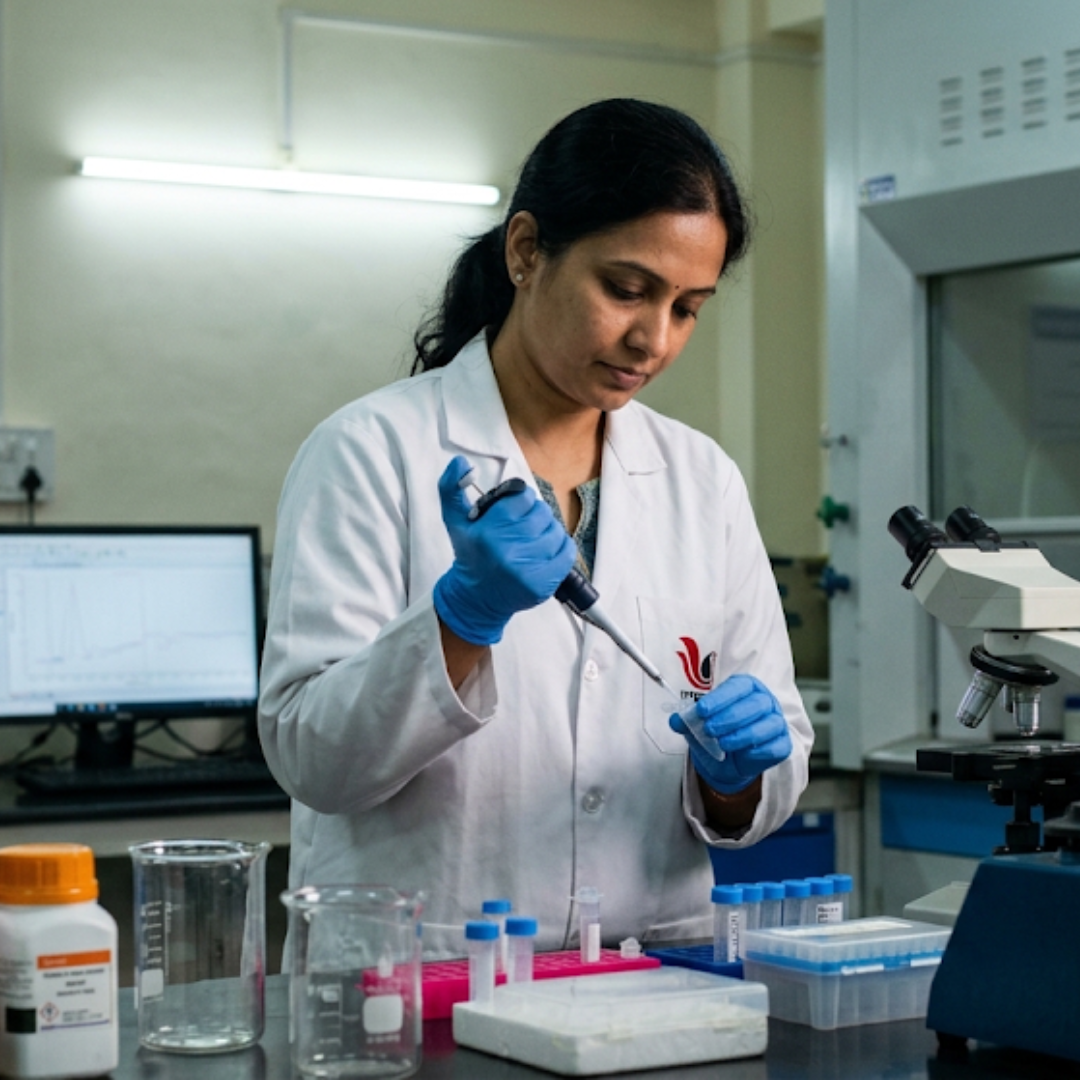
Dr Poonam Thakur and her team at the Indian Institute of Science Education and Research in Thiruvananthapuram have delivered an encouraging update on their search for medicines that could protect brain cells in Parkinson's. Their work marks the first project in India funded by Cure Parkinson's through the International Linked Clinical Trials programme, a worldwide effort focused on drug repurposing. Instead of spending decades building brand new compounds from scratch, the initiative takes existing medicines that doctors already know are safe and tests whether they can slow or halt the progression of the condition.
The investigation set out to explore two potential candidates: probucol, an established medicine originally developed to lower cholesterol, and chlorogenic acid, a natural plant compound found in coffee and various fruits. Both molecules had caught the attention of researchers because they target biological processes linked to cell stress. Probucol is known to calm persistent inflammation and support mitochondria, the miniature powerhouses that produce energy inside cells. Chlorogenic acid had previously shown an ability to activate autophagy, the natural recycling system cells use to clear out damaged debris and clumps of alpha synuclein protein.
The new laboratory results have provided a decisive outcome, giving researchers a clear direction forward. Dr Thakur found that chlorogenic acid did not produce strong enough effects to warrant further development, allowing the team to rule it out quickly. Probucol, however, delivered genuinely positive results. The compound successfully reached target tissues and helped protect dopamine producing cells from taking damage, preserving both their structure and their ability to generate energy.
Focusing exclusively on probucol gives the research momentum. Because the drug has a long history of safe use in human cardiovascular care, scientists already possess extensive information about how the human body tolerates it. Dr Thakur and her colleagues are now directing all their energy towards unravelling the precise mechanics of how probucol shields brain cells, moving this familiar medicine closer to future clinical testing for people with Parkinson's.
Comments (0)
Loading comments...