


How flavonoids in everyday foods protect brain cells in Parkinson's research
August 14, 2026
 Beatrice
Plants produce remarkable natural shields to protect themselves from environmental stress and disease, and these same compounds, known as flavonoids, are capturing the attention of brain researchers. Emerging scientific reviews highlight how these vibrant plant nutrients can help protect delicate nerve cells, particularly the dopamine-producing cells that are vulnerable in Parkinson's.
Inside the brain, nerve cells rely on a steady supply of energy while managing natural cellular waste. Over time, factors like oxidative stress and persistent inflammation can place these cells under strain. Oxidative stress occurs when unstable molecules, known as free radicals, build up and damage cellular machinery. Flavonoids act like microscopic bodyguards. They neutralise these harmful particles directly and activate the cell's own internal defence systems. They also support mitochondria, the miniature power plants inside cells, ensuring neurons have the energy needed to function properly while dialing down overactive inflammatory responses.
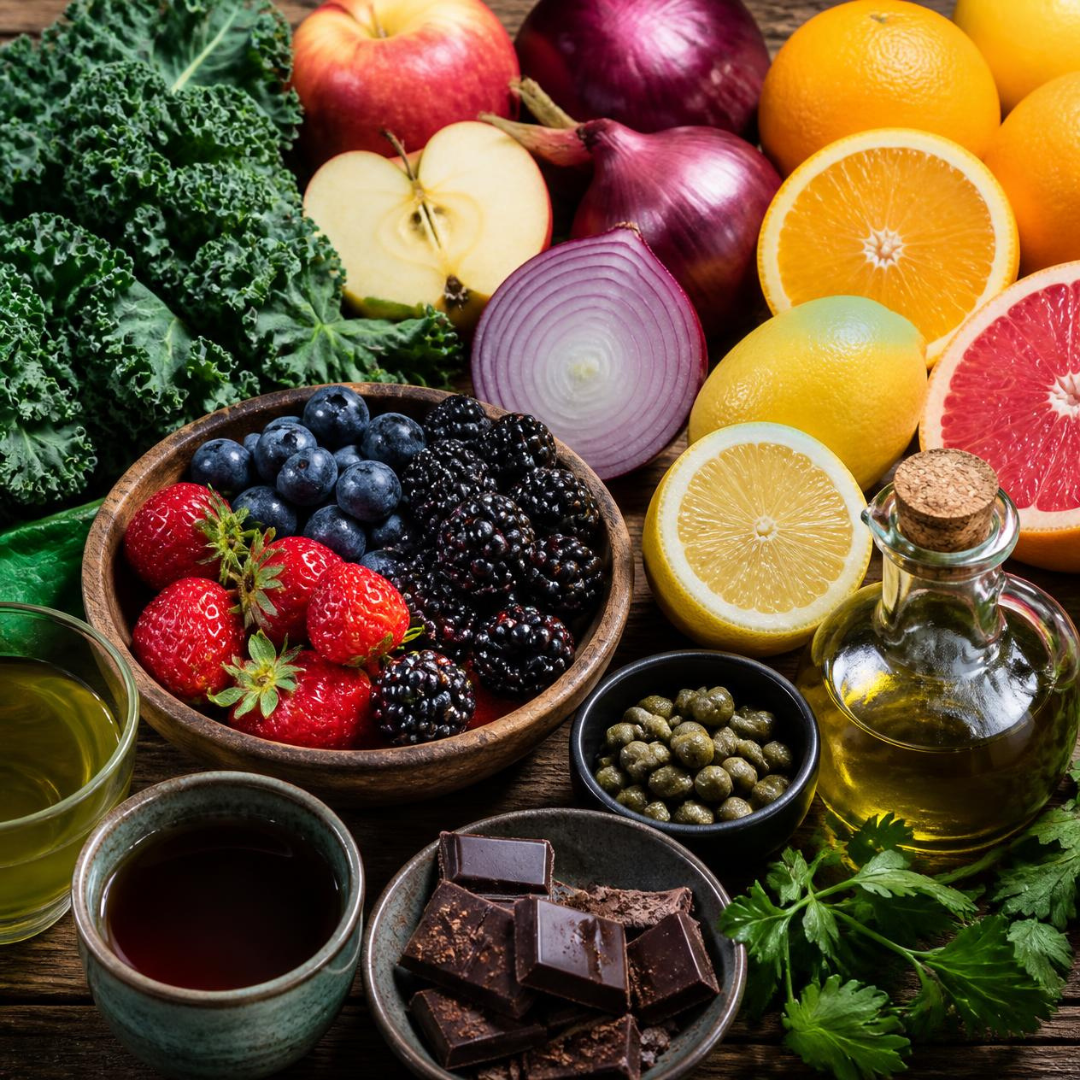
These protective compounds are easy to introduce into daily meals because they are widely distributed across whole plant foods. Bright berries such as blueberries, blackberries, and strawberries are rich in anthocyanins, which give them their deep purple and red colours. Apples, onions, kale, and capers provide high levels of quercetin, while citrus fruits like oranges, lemons, and grapefruits contain hesperidin and naringenin. Daily staples such as green and black tea, rich in catechins, along with high-cocoa dark chocolate, parsley, and extra virgin olive oil, also serve as generous sources of diverse flavonoids.
While eating a colourful, plant-rich diet provides a wonderful foundation for general wellbeing, researchers are also working on ways to maximise these benefits. Because the body breaks down dietary flavonoids quickly, pharmaceutical scientists are exploring advanced delivery methods to ensure higher concentrations reach the central nervous system. As clinical research progresses, these everyday plant nutrients remain one of the most promising areas for supporting long-term brain resilience.
Comments (0)
Loading comments...