


Diabetes medication empagliflozin shows neuroprotective potential in Parkinson's
June 5, 2026
Scientists have uncovered promising evidence that a common type 2 diabetes medication called empagliflozin could help protect brain cells from the damage associated with Parkinson's. Published in the journal Scientific Reports, the research investigated how this existing drug might be repurposed to shield the nervous system. The team focused their attention on the striatum, which is the specific region of the brain responsible for controlling movement and the area most severely affected by Parkinson's.
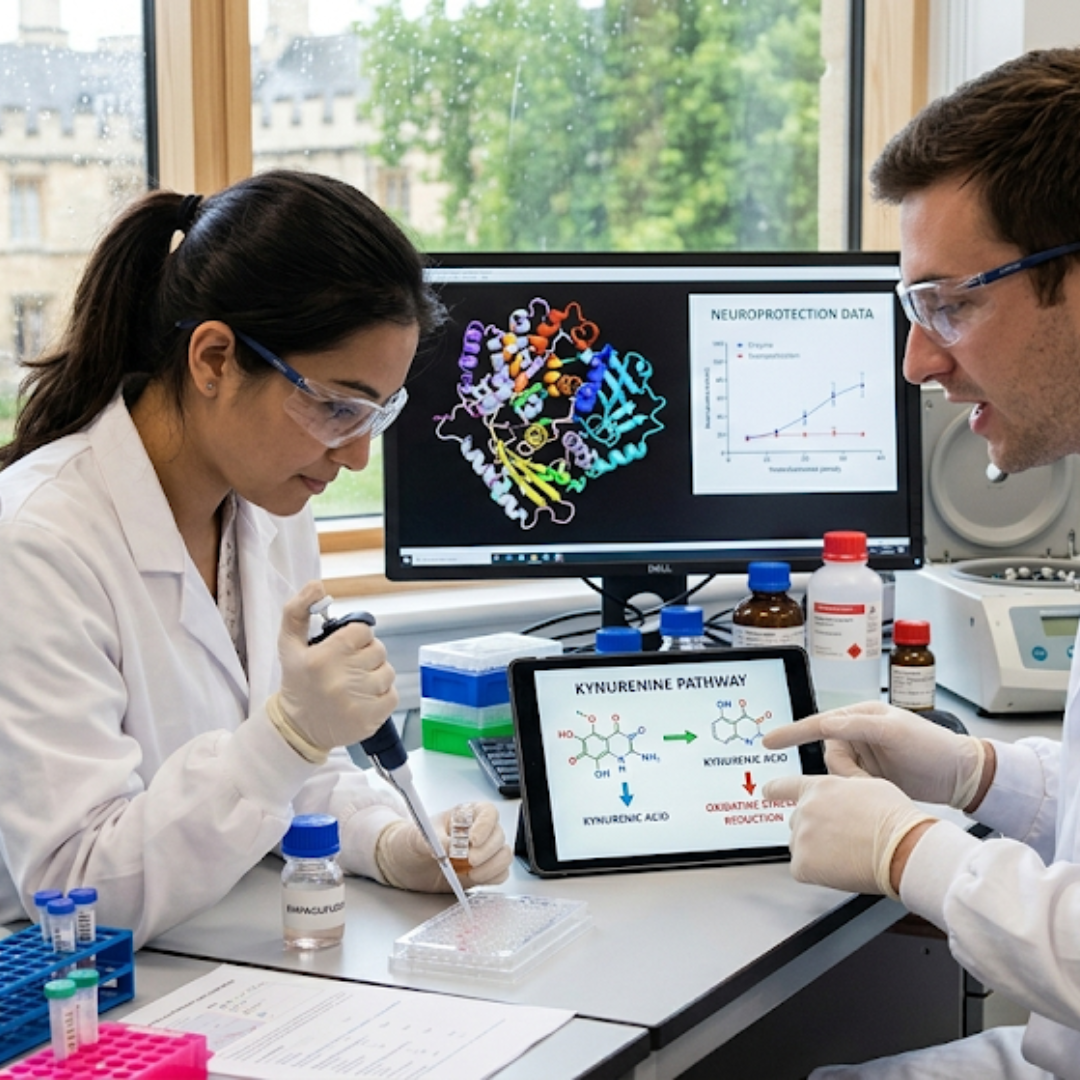
To see exactly what was happening inside the brain cells, the researchers used a highly detailed tracking method called targeted metabolomics. This technique acts like a high-powered microscope for chemistry, allowing scientists to measure minute changes in the microscopic building blocks and chemical messengers that cells produce. By mapping these chemical shifts, the study revealed that the medication triggers two major beneficial effects: it strengthens a vital cellular defence line called the kynurenine pathway and it dramatically lowers oxidative stress.
The kynurenine pathway is a biological chain reaction that breaks down tryptophan, an essential amino acid we get from our diet. This pathway can swing two ways, either producing chemicals that harm brain cells or chemicals that protect them. The study found that empagliflozin successfully nudges this system into safety mode. It boosted the levels of three crucial protective molecules known as kynurenic acid, anthranilic acid, and xanthurenic acid. At the same time, it dialed down the production of quinolinic acid, a known neurotoxin that can cause cell death when it accumulates in the brain.
Beyond balancing these path chemicals, the treatment tackled oxidative stress, which occurs when unstable molecules called free radicals run rampant and damage cellular structures. The research showed that the diabetes drug actively reinforced the glutathione system, which is the primary natural antioxidant defence mechanism of the brain. By boosting this internal cleanup crew, the medication helped neutralise harmful free radicals and prevented the cellular wear and tear that typically speeds up the loss of dopamine-producing cells.
These detailed metabolic discoveries are particularly exciting because they provide a concrete blueprint of how an available, regulatory-approved drug interacts with brain chemistry. While more research is needed to see how these findings translate from the laboratory to daily care, uncovering these precise chemical pathways offers a hopeful and tangible direction for developing new ways to slow down the progression of the condition and preserve brain health.
Comments (0)
Loading comments...