


Moving the Target: How a New Brain Site Improves Focused Ultrasound for Parkinson’s
April 22, 2026
A major update in the world of non-invasive surgery has identified a new spot in the brain that could offer better relief for people with advanced Parkinson’s. According to a report in Neurology Today, targeting a specific pathway called the pallidothalamic tract (PTT) with focused ultrasound is showing impressive results in smoothing out movement and reducing the side effects of long-term medication.
This procedure is particularly interesting because it requires no surgery in the traditional sense. There are no scalpels and no holes drilled into the skull; instead, it uses the power of sound waves to fix faulty signals deep inside the brain.
Finding the Right "Junction Box"
To understand why this new location matters, think of the brain’s movement centre as a series of busy motorways. In Parkinson’s, these motorways get jammed with "static" or incorrect signals, which causes tremors and stiffness.
Previously, focused ultrasound targeted specific "stations" along these roads. However, the pallidothalamic tract is more like a major junction box where many of these different motorways meet. By treating this single junction, doctors can clear up several different types of "traffic jams" at once. This means that instead of just helping with a shaky hand, the treatment can also help with the general slowness and muscle stiffness that make daily tasks so difficult.
Better Results with Fewer Side Effects
The study found that by focusing the ultrasound on this new tract, people saw significant improvements in their "OFF" time—those frustrating periods when their regular medication wears off and symptoms return.
There were two main areas of improvement:
Smoother Movement: Because this target sits at a crossroads of signals, treating it helped people move more fluidly and quickly.
Reducing Involuntary Shaking: One of the biggest wins was the reduction in dyskinesia. These are the jerky, uncontrolled movements that often happen as a side effect after taking Parkinson’s medication for many years.
How It Works: Surgery Without a Scalpel
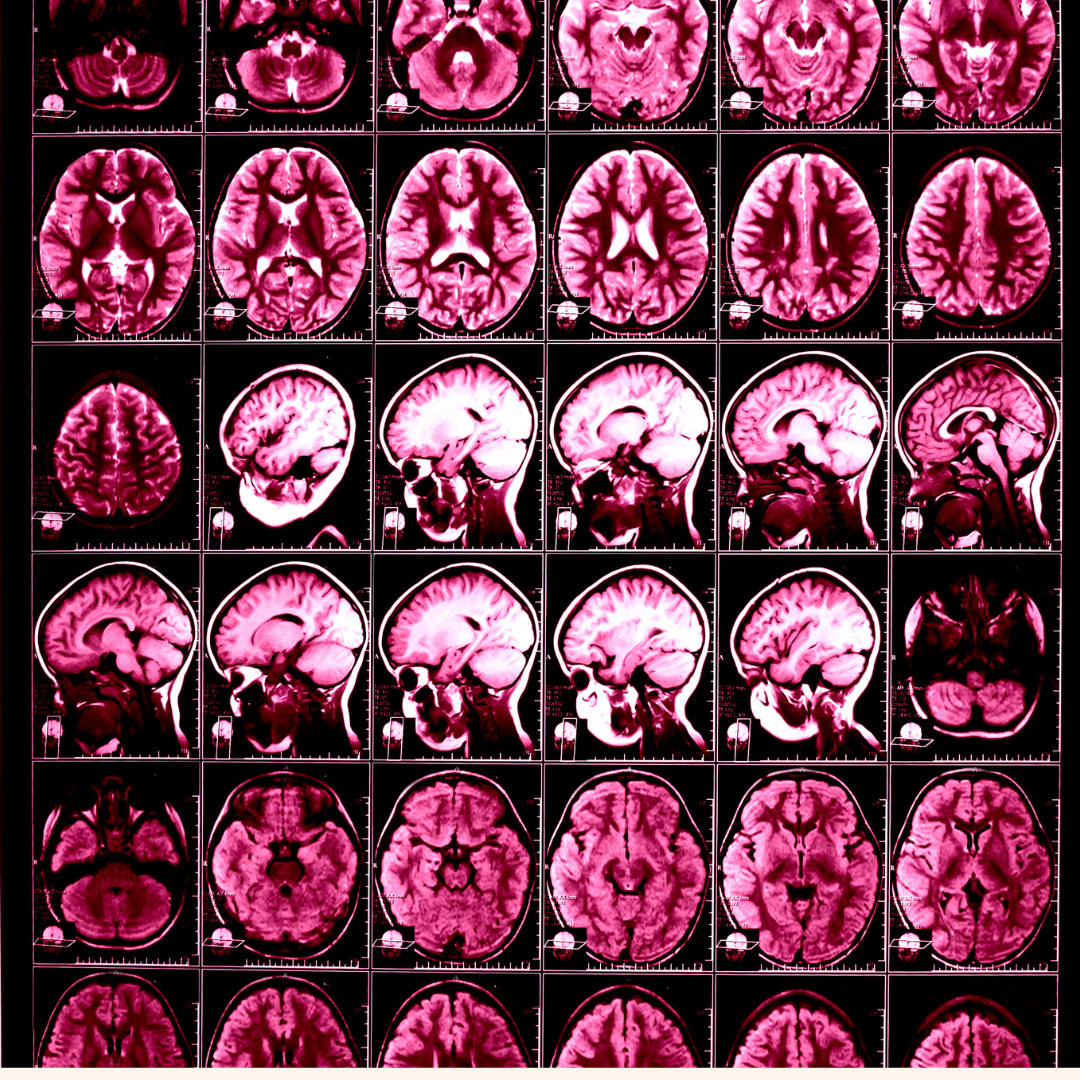
The procedure is done while the person is awake, lying inside an MRI scanner. The MRI acts like a high-tech map, allowing the surgeon to see the brain in incredible detail.
The surgeon then aims over a thousand individual ultrasound waves at the target. On their own, these waves are harmless, but when they all meet at one tiny point—like a magnifying glass focusing sunlight—they create enough heat to "reset" that specific part of the brain. Because the person is awake, the doctor can actually check their progress in real-time, asking them to draw a spiral or move their arm to make sure the target is exactly right before finishing.
A New Choice for Advanced Care
This is a vital development because it gives people more options. For a long time, the main surgical choice for advanced symptoms was Deep Brain Stimulation (DBS), which involves placing wires and a battery inside the body.
Focused ultrasound at this new brain site offers a "one-off" treatment with no implants and no recovery time in a hospital bed. By finding better "junction boxes" like the pallidothalamic tract, science is making it possible to restore a much higher level of independence with far less risk.
Comments (0)
Loading comments...