


New 'Mag-Net' Technology Trawls Blood for 6,481 Hidden Clues to Parkinson's
January 24, 2026
For years, scientists trying to track Parkinson's have been forced to look through a keyhole. Blood tests have historically been too blunt to see the complex chemical shifts happening deep inside the brain. A new preprint study released this week has effectively kicked the door down, using a novel technology to measure an unprecedented 6,481 proteins in the blood of people with the condition.
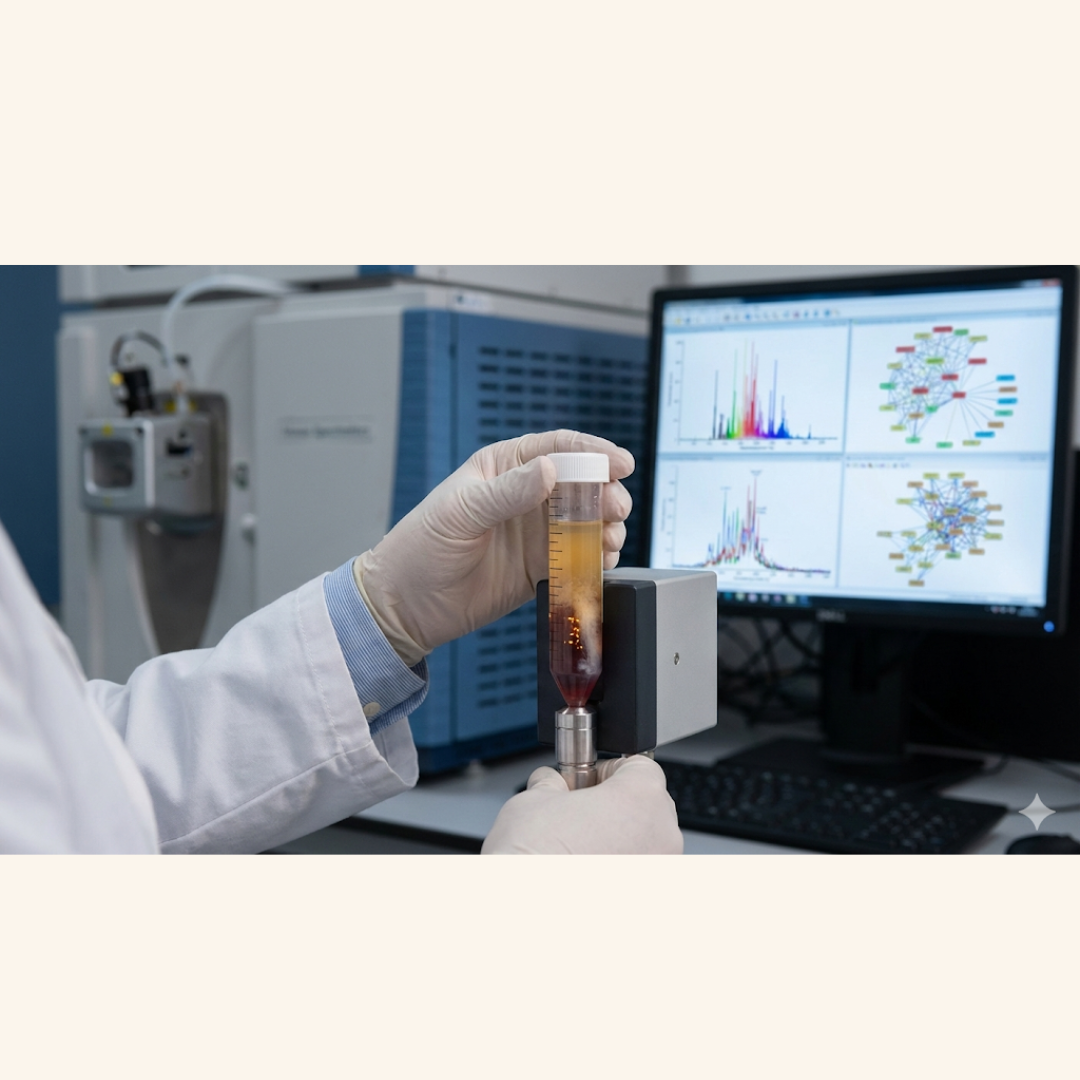
The research, led by a team at McGill University and Seoul National University Hospital, moves beyond standard blood work by combining "Mag-Net" technology with advanced mass spectrometry. If you imagine the blood as a busy highway, previous tests were counting the cars; this method is checking the tyre pressure on every single vehicle. The "Mag-Net" system specifically captures extracellular vesicles—tiny biological parcels shed by cells—allowing researchers to bypass the usual noise of plasma and see clear, high-resolution molecular signatures.
The results offer a crucial distinction that has eluded neurologists for decades. The study successfully separated the biological signals of the condition’s progression from the chemical "noise" created by Levodopa. This is vital because long-term medication use often masks the true state of the underlying biology. By filtering out the drug's effects, the team identified specific protein changes that track exactly how long someone has lived with the condition, finally offering a potential "fuel gauge" for disease progression.
Beyond just measuring the problem, the study points to potential fixes. By cross-referencing their massive protein haul with genetic screens, the researchers identified major "traffic hubs" in the body's cellular network—specifically proteins like MFN2 and EIF4G1—that appear to control how brain cells handle toxic clumps of alpha-synuclein.
Perhaps most exciting for the immediate future is the discovery of "druggable" targets. The analysis flagged specific inflammatory markers, such as IFNG and PLAT, which are already targeted by existing pharmacological agents approved for other diseases. This suggests that precision medicine for Parkinson's might not always require inventing new drugs from scratch, but rather picking the right ones off the shelf based on a person’s unique protein signature.
This is not just another biomarker study; it is a systems-level map of the condition. By turning a blood sample into a library of 6,000 data points, we are moving away from guessing games and towards a future where treatment is tailored to the individual’s biological reality, not just their visible symptoms.
Comments (0)
Loading comments...