


MicroRNAs: The Hidden Genetic Switches That Could Halt Parkinson's
December 2, 2025
For a very long time, medical professionals have only been able to offer treatments for Parkinson's disease that address the outward symptoms, such as stiffness and tremor. Crucially, none of the current medications can stop the underlying illness from getting worse. This is why the latest research is so exciting, because it offers a path to tackle the root cause of the disease, not just its effects.
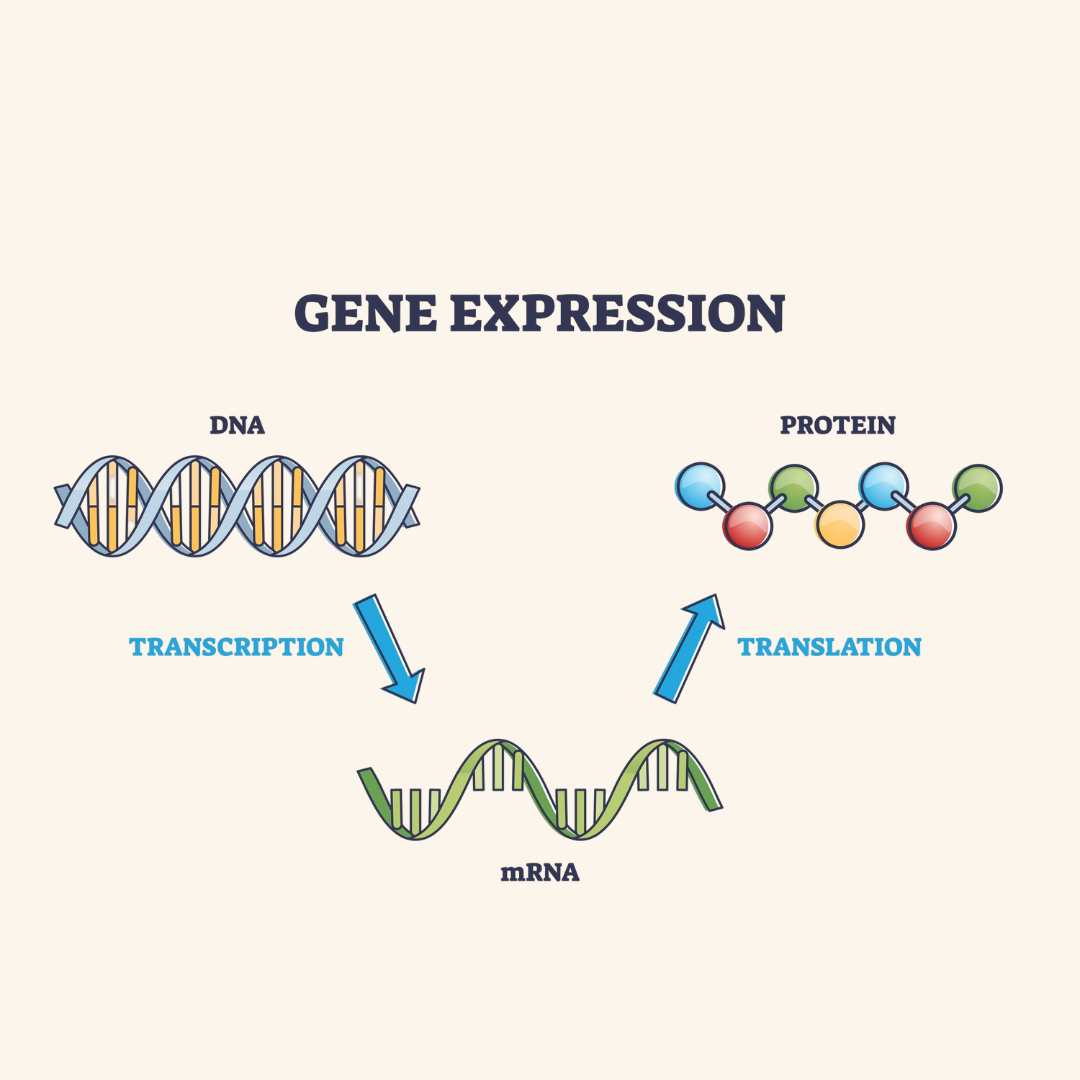
The focus is now on tiny, powerful molecules within our cells called microRNAs. These molecules are essentially the master control switches or dimmer controls for your entire genetic system. They decide exactly when and how much of a cell's blueprint should be turned into a working protein. Scientists have made a huge leap by discovering that in Parkinson's disease, these critical switches are broken. This failure leads directly to the creation of toxic proteins and chronic stress, causing brain cells to break down. This means that by repairing or replacing these faulty microRNA switches, researchers believe they could slow down, or perhaps even entirely halt, the progression of the disease for the first time.
Unravelling the Build-up of Toxic Rubbish
The core issue in Parkinson's is the dangerous build-up of a sticky, misfolded protein known as alpha-synuclein. This protein acts like toxic rubbish that clogs up the essential machinery inside the brain's dopamine-producing cells, eventually causing them to die. The production of this toxic alpha-synuclein is tightly controlled by these microRNA switches.
The problem comes in two forms. Sometimes, a protective microRNA—a 'good switch'—is missing or is too weak. When this happens, the cell loses its ability to control the alpha-synuclein production and runs wild, making far too much of the toxic protein. On the other hand, a harmful microRNA—a 'bad switch'—might become far too active, aggressively shutting down the cell's natural defensive systems, leaving it vulnerable to constant damage from inflammation and energy failures. This comprehensive medical review has highlighted that microRNAs are intertwined with every stage of the disease process, including the cellular damage caused by unstable molecules, the failure of the cell’s tiny power plants, and the chronic immune response that harms brain tissue.
The Two-Part Repair Kit for Brain Cells
The strategy to use microRNAs for treatment is straightforward but revolutionary. Since we know the switches are either broken or missing, researchers are developing two ways to fix them:
First, there is the approach of silencing the bad players using what are called 'AntagomiRs.' These are custom-made genetic blockers designed to seek out and physically attach themselves to the harmful, overactive microRNAs. By doing this, they turn off the bad switch. This allows the cell to stop making the toxic proteins or permits the cell's own vital protective systems to switch back on and start working again.
Second, the approach is about restoring the good players using 'AgomiRs.' These are synthetic copies, or mimics, of the missing protective microRNAs. By delivering these copies to the affected brain cells, the cells are given the 'good switch' back. This immediately helps them to ramp up their natural defences, reduce the amount of alpha-synuclein being produced, and generally improve the overall health of the neuron. Specific microRNAs, such as miR-7, miR-153, and miR-34b/c, have been identified as being particularly crucial because they directly govern the gene responsible for creating the damaging alpha-synuclein protein. Fixing even a small number of these specific switches could have a powerful, widespread protective effect across the entire brain.
The Challenge of Getting Past the Guard
Despite the incredible potential of these treatments, the biggest practical challenge remains getting them to the right place. The brain is protected by a strong security perimeter known as the blood-brain barrier. Think of it as a formidable castle wall, a network of tightly packed cells designed to prevent almost all substances circulating in the blood from entering the delicate brain tissue.
For microRNA therapies to actually work, they must be safely packaged inside specialised delivery vehicles. These might be tiny artificial capsules called nanocarriers, or they could be naturally occurring cellular transport units called exosomes. These carriers are scientifically engineered to bypass the blood-brain barrier’s security system, allowing the therapeutic microRNAs to be delivered precisely and accurately into the target neurons where they can start repairing the faulty genetic switches. The research confirms that overcoming the issues of safe and perfect delivery, ensuring the microRNAs only hit the intended targets, and making sure the effect is stable over a long period are the primary challenges that must be solved before these incredible therapies can be used widely in clinical practice. This work represents a fundamental and hopeful shift towards treatments that can truly modify the underlying cause of the disease.
Comments (0)
Loading comments...