


How Calcium Channels and Mitochondria Might Be Holding Back the Brain in Parkinson’s
November 17, 2025
Recent research shines a spotlight on tiny but critical players inside our brain cells: calcium channels and tiny energy-factories called mitochondria. The work suggests that when these systems go a bit off track, they may contribute to Parkinson’s disease and the gradual loss of movement and nerve-cell control.
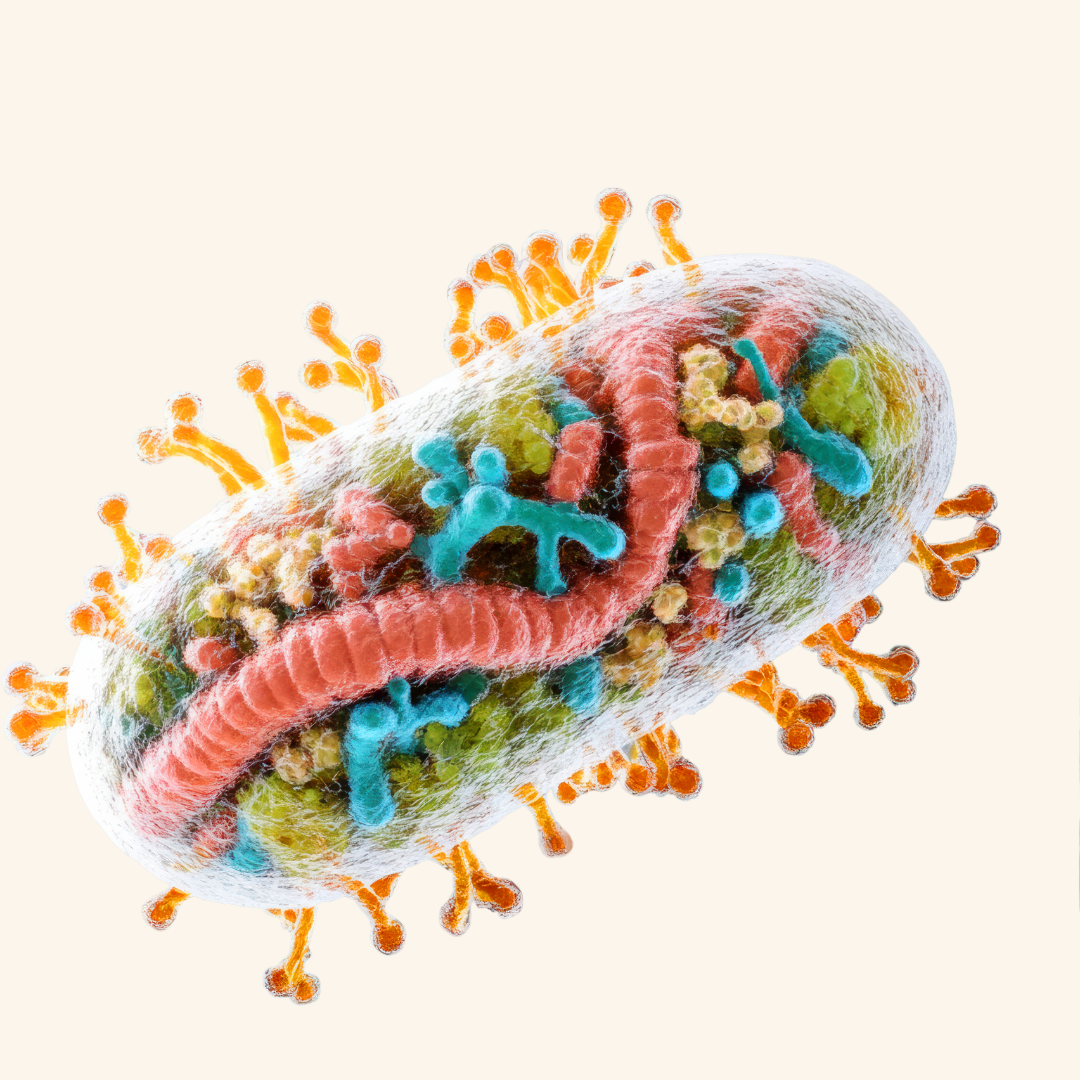
Calcium is a vital signalling molecule in all our cells. It helps brain cells transmit messages, adapt to change and stay alive. Mitochondria are the parts of the cell that generate energy, and they also help keep things clean by handling waste and damaged components. The new review points out that in Parkinson’s disease, calcium regulation inside mitochondria becomes disturbed. This disruption may cause faulty energy production, increased stress inside cells, and eventual nerve-cell death.
One of the key findings is how the mitochondria connect with another part of the cell, the endoplasmic reticulum (ER). These two structures are linked by what’s called the mitochondria-ER-associated membrane (MAM). That membrane allows calcium and other signals to move between the ER and mitochondria smoothly. But in Parkinson’s disease, that flow appears to break down. When mitochondria receive too much calcium or when the MAM link is faulty, the mitochondria struggle to produce energy and clear waste. That leads to the build-up of harmful substances and may trigger the death of the nerve cells that control movement.
While this sounds technical, the practical takeaway is this: protecting the energy systems inside your brain cells matters. Although no therapy yet directly targets all of these calcium-mitochondria interactions in people with Parkinson’s, this research gives us places to aim at. It means future treatments might help cells manage their internal balance better, reduce stress and slow nerve-cell loss.
For those living with Parkinson’s today, this research suggests several gentle ways to support brain-cell health. Getting regular, moderate exercise supports mitochondria. Good sleep helps keep calcium signalling calm rather than overexcited. A balanced diet supports the body’s resources so the cells have what they need to function. Monitoring how your body responds to stress, ensuring gut health and checking that your medication and lifestyle are aligned also helps the cell systems work smoother.
Comments (0)
Loading comments...