


New Hope for Parkinson’s: Cancer Drug Shows Promise in Blocking Harmful Protein Spread
October 10, 2024
Researchers have identified a protein, Aplp1, that helps spread harmful alpha-synuclein proteins in the brain, a key factor in Parkinson’s disease. Excitingly, a cancer drug already approved by the FDA, which targets a related protein called Lag3, was found to block this process in mice, suggesting a potential new treatment for Parkinson’s.
The study reveals that Aplp1 and Lag3 work together to help alpha-synuclein clumps enter brain cells. These clumps contribute to the disease's progression by damaging dopamine-producing neurons, which leads to the common symptoms of Parkinson's like tremors, stiffness, and speech difficulties.
When both proteins were blocked in mice, harmful alpha-synuclein spread was reduced by 90%. The cancer drug, containing a Lag3 antibody, effectively prevented these proteins from interacting and stopped the disease-causing clumps from forming in the brain.
Next steps include testing this approach on mouse models of Parkinson’s and Alzheimer’s disease. If successful, this discovery could pave the way for new therapies to slow down the progression of Parkinson's and similar neurodegenerative diseases.
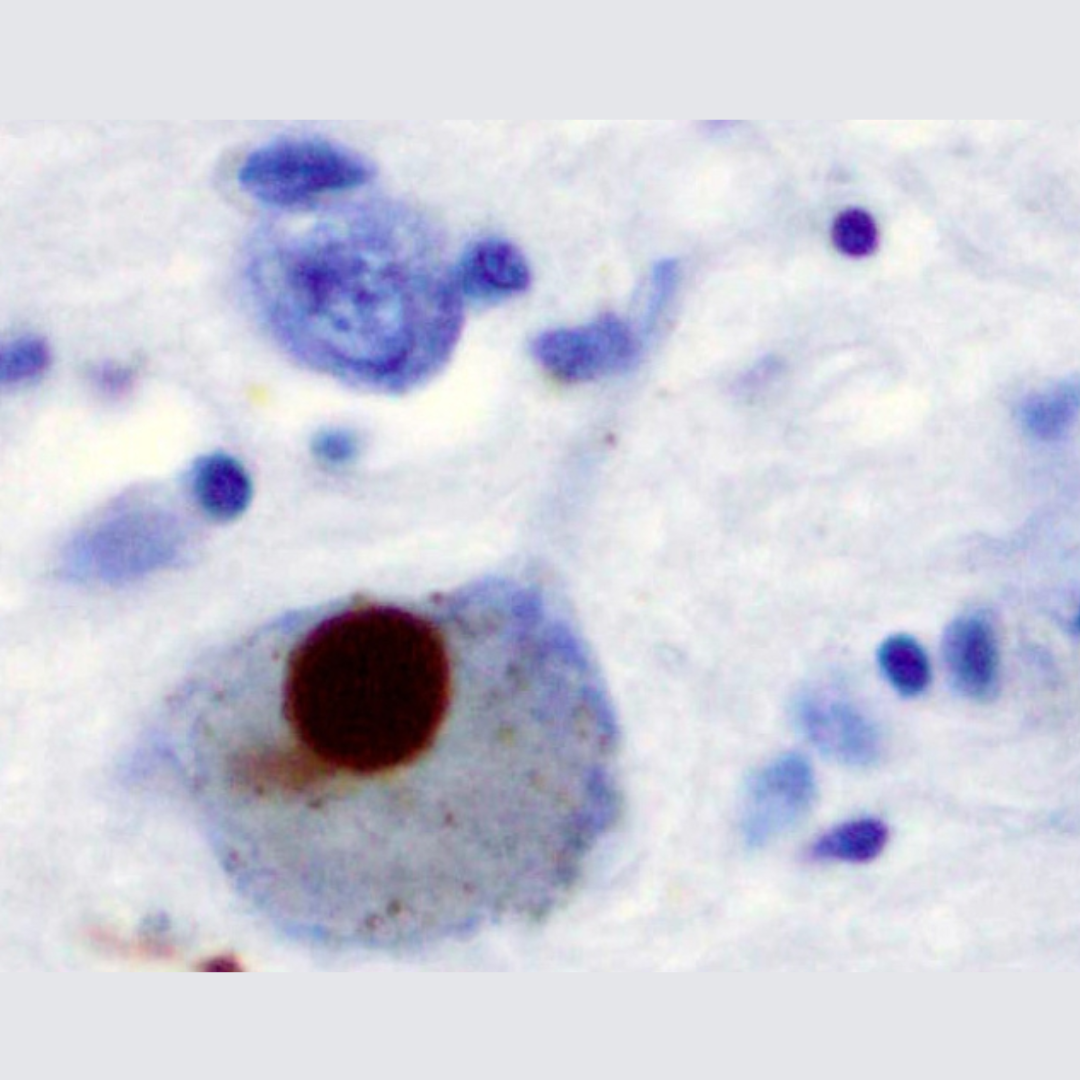
The image shows Alpha-synuclein shown by positive staining (brown) in a Lewy body in the substantia nigra of a patient with Parkinson's disease. (Marvin 101/CC BY-SA 3.0/Wikimedia Commons)
Comments (0)
Loading comments...