


Vitamin B2 and B7 Deficiency: The Simple Link Between Gut Health and Parkinson’s Disease
November 26, 2025
New research has strongly reinforced the theory that Parkinson's is linked to changes in the gut microbiome (the community of microbes living in our intestines), suggesting a surprisingly simple potential treatment: B vitamins.
The Gut-Brain Connection
Scientists have long suspected that the connection between the gut and the brain, known as the gut-brain axis, plays a role in the onset of this neurodegenerative disease. PD symptoms, such as constipation and sleep problems, often appear up to twenty years before the more debilitating loss of muscle control and potential dementia. Previous studies had already observed changes in the gut bacteria of people with Parkinson's, even before other major signs were visible.
The B Vitamin Discovery
A recent study, which analysed fecal samples from PD patients and healthy individuals across various countries including Japan, China, and the UK, found a consistent pattern. While the specific types of bacteria differed between nations, the changes universally affected the pathways that synthesise B vitamins in the body.
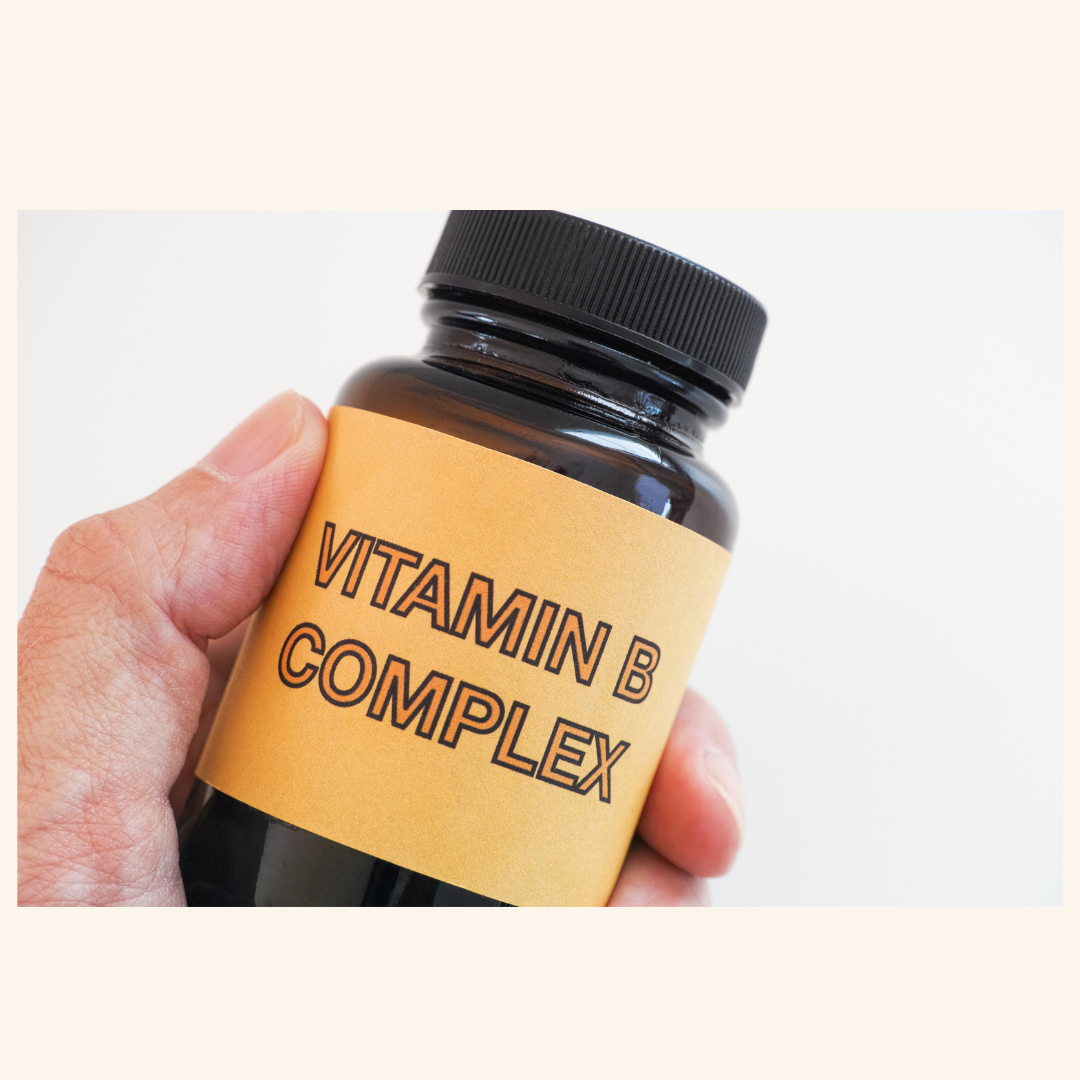
Specifically, the researchers found that changes in the gut bacteria were associated with a significant decrease in two essential nutrients in PD patients: riboflavin (Vitamin B2) and biotin (Vitamin B7).
How B Vitamins May Offer Defence
The lack of these B vitamins was, in turn, linked to a decrease in protective molecules, known as short-chain fatty acids (SCFAs) and polyamines. These molecules are essential for maintaining a healthy, thick mucus layer in the intestines.
Researchers suspect that this thinning of the protective layer makes the gut lining more permeable. This increased permeability could then expose the intestinal nervous system to more environmental toxins, such as pesticides. These toxins are thought to trigger the overproduction of alpha-synuclein fibrils—the toxic molecules that are known to clump together and destroy dopamine-producing cells in the brain, which is the hallmark of Parkinson's.
This all suggests a simple intervention: high doses of B vitamins could potentially prevent some of this damage. An earlier study in 2003 supported this idea, showing that high doses of riboflavin, combined with a red-meat-free diet, helped some patients recover motor functions.
The Future of Treatment
Researchers believe that by performing gut microbiome or fecal metabolite analysis on patients, doctors could identify individuals with specific B vitamin deficiencies. For those patients, administering simple oral supplements of riboflavin and biotin could become an effective, low-cost therapeutic avenue for alleviating PD symptoms and potentially slowing disease progression.
It is important to note that the gut microbiome is only one part of the complex puzzle of Parkinson's, and not all patients will experience the same causes. However, this finding offers a hopeful and straightforward target for future preventative and supportive treatment.
Comments (0)
Loading comments...