


How the Brain Builds Dopamine Neurons
February 17, 2026
A significant breakthrough in regenerative medicine has been achieved by researchers at the Karolinska Institutet in Sweden. In a study published in Nature Neuroscience, scientists have finally mapped the complex instruction manual the brain uses to create dopamine-producing neurons. This discovery is a vital piece of the puzzle for the condition, as it provides a blueprint for how we might one day replace the cells that are lost.
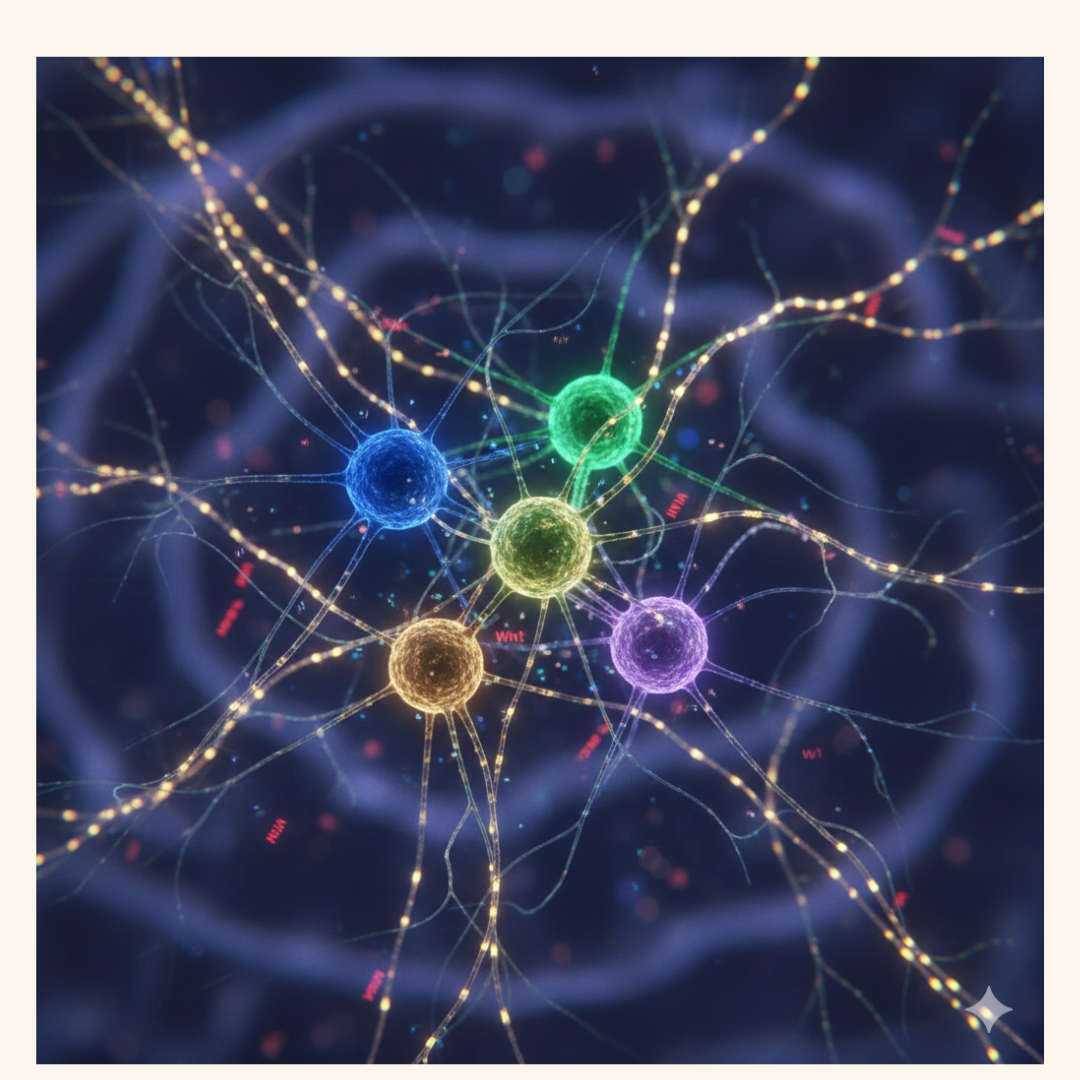
The research focused on a specific type of stem cell called radial glia. Previously, scientists believed these cells were a uniform group that acted as a simple scaffold for the developing brain. However, this new study reveals that radial glia are far more sophisticated. By using advanced single-cell technologies, the team identified that there are actually distinct subtypes of these cells. Each subtype has a specific address in the developing midbrain and is responsible for producing different types of neurons. You can think of them as specialised factory lines, each programmed to build a specific part of the brain's dopamine system.
The findings show that dopamine neurons are not all the same, as different subtypes of radial glia produce distinct groups of these cells. This diversity is likely why some neurons are more resilient than others as the condition progresses. The researchers also identified a master switch called Wnt signalling. By fine-tuning this chemical pathway, the radial glia are told exactly when to stop multiplying and start turning into functional dopamine neurons. This means scientists can now try to replicate this process in the laboratory with much higher precision than ever before.
For years, the goal of cell replacement therapy has been to grow healthy dopamine neurons in a lab and transplant them into the brain. While early attempts have shown promise, they have often struggled with consistency. This research allows scientists to move away from a trial-and-error approach. By following the brain's natural blueprint, we can grow cells that are more stable, more functional, and better suited to integrate into the existing brain circuitry.
Beyond cell therapy, understanding these signals allows researchers to look for new medications that might protect the on-site production of neurons or even encourage the brain’s own remaining stem cells to repair themselves. This study moves us away from simply managing symptoms and toward the possibility of truly repairing the underlying biological shift in the brain. By learning how the brain builds itself, we are gaining the tools to help it rebuild.
Comments (0)
Loading comments...