


Mapping the path of alpha-synuclein to understand how Parkinson’s progresses
April 30, 2026
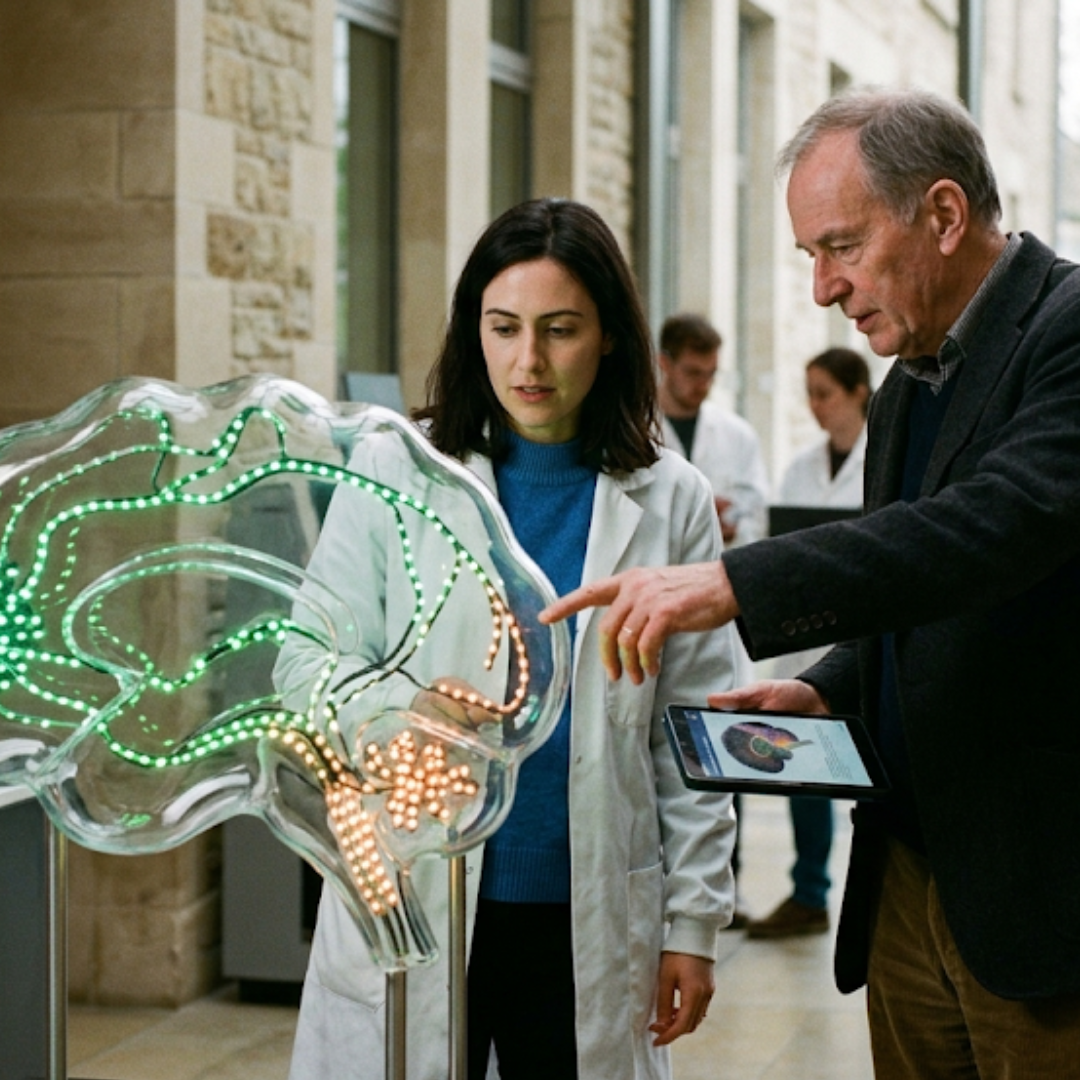
At the heart of Parkinson’s and related conditions is a protein called alpha-synuclein. In a healthy brain, this protein plays a helpful role in how nerve cells communicate. However, in people with Parkinson’s, these proteins begin to misfold, clumping together into toxic "seeds" known as Lewy bodies. A major focus of current research is understanding how these clumps spread, or propagate, from one part of the brain to another, much like a falling row of dominoes.
Researchers are finding that this spreading isn't random. By tracking the path of these proteins, scientists can "stage" the condition, identifying which areas of the brain are affected at different times. This map helps explain why someone might experience non-motor issues, like a lost sense of smell or sleep disturbances, years before the more familiar tremors or balance problems begin.
The "Prion-like" spread of proteins
The way alpha-synuclein moves through the nervous system is often described as "prion-like." This means that once a single protein misfolds, it can trigger neighbouring healthy proteins to do the same. These rogue proteins then travel along the long "wires" of the nerve cells, crossing into new regions of the brain.
Understanding this movement is vital because it changes how we think about treatment. If we can find a way to block the protein from jumping from one cell to the next, we might be able to halt the progression of the condition entirely. Modern research is looking into "immunotherapies"—essentially vaccines or antibodies—that act like a roadblock, catching the spreading proteins before they can reach and damage healthy brain tissue.
Why staging matters for future care
Staging is the process of determining exactly where these protein clumps are located and how far they have traveled. Because every person's experience with Parkinson’s is unique, having a clear "staging" system allows doctors to provide more personalised care. It helps predict which symptoms might appear next and allows researchers to test new drugs on the right people at the right time.
This research into protein propagation also highlights the connection between the brain and the rest of the body. There is growing evidence that alpha-synuclein might even start its journey in the gut or the nose before traveling to the brain. By studying these early stages, the goal is to intervene as early as possible, protecting the nervous system before the protein clumps can spread to the areas responsible for movement and memory.
Comments (0)
Loading comments...