


Scientists Discover "Hidden Frequency" That Could Fine-Tune Deep Brain Stimulation
February 9, 2026
For years, Deep Brain Stimulation (DBS) has been a lifeline for many people living with Parkinson’s, offering a way to control tremors and stiffness when medication starts to fluctuate. However, despite its success, the technology has always been a bit of a blunt instrument. Surgeons place the electrodes and hope to hit the "sweet spot," but they haven't fully understood why stimulation works perfectly for some and less well for others.
A major breakthrough published this week in the journal Brain may have finally solved that puzzle.
An international team of researchers, led by the University of Cologne and Harvard Medical School, has identified a specific, previously hidden "communication channel" in the brain that seems to dictate how well the treatment works. They discovered that the most effective stimulation doesn't just happen anywhere; it happens when the device successfully taps into a specific neural network operating at a "fast beta" frequency (between 20 and 35 Hertz).
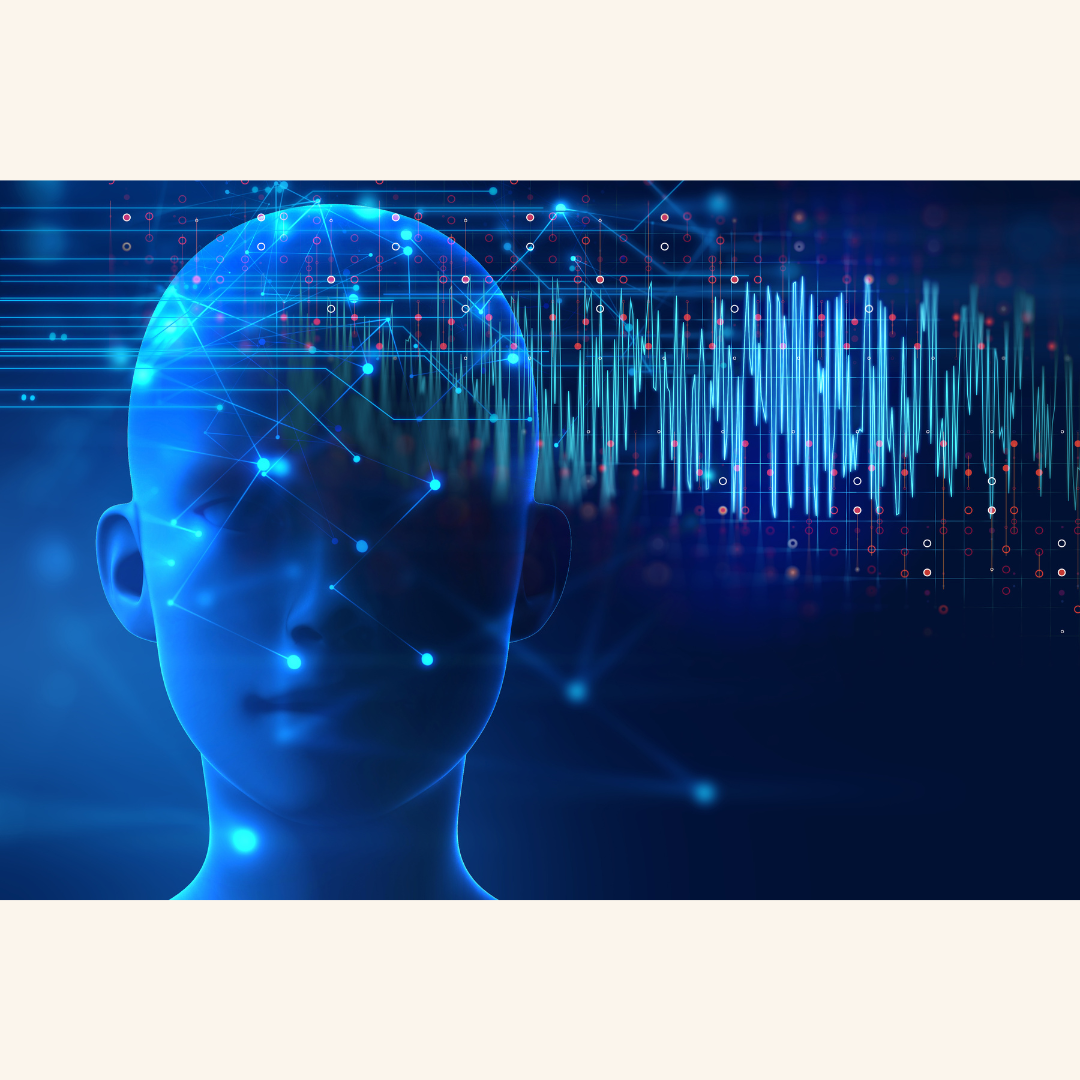
You can think of the brain's electrical activity like a busy radio dial. Until now, doctors have been broadcasting a signal to a general area, hoping to clear up the static. This new research suggests that there is actually a precise station—a specific frequency connecting the deep subthalamic nucleus to the frontal cortex—that controls motor symptoms. When the stimulation syncs with this specific channel, the symptoms improve significantly. When it misses this frequency, the results are less impressive.
This discovery is significant because it moves us away from trial and error. By mapping this "fast beta" network, surgeons could essentially have a roadmap before they even turn the device on. It explains why slight adjustments in electrode placement can make a massive difference in a person's quality of life.
The lead researcher, Professor Dr Andreas Horn, described this as characterising the "response network" of the condition for the first time in both space and time. This means future DBS devices could be programmed to specifically target this rhythm, potentially offering better relief for people who haven't yet seen the full benefits of the therapy. It is a major step towards "smart" implants that don't just stimulate the brain, but actually speak its language.
Comments (0)
Loading comments...