


Comparing deep brain stimulation, focused ultrasound, and stereotactic radiotherapy for movement control in Parkinson's
September 18, 2026
 Beatrice
When oral medications start causing difficult swings between stiffness and involuntary writhing, targeting the brain circuitry directly becomes a viable next step. In an educational session for the American Parkinson Disease Association, neurosurgeons Dr Brian Dalm, Dr Andreas Lozano, and Dr Evan Thomas broke down the three leading ways modern medicine alters these faulty motor loops: Deep Brain Stimulation (DBS), Focused Ultrasound (FUS), and the far less familiar Stereotactic Radiotherapy (SRT).
All three methods zero in on the exact same misbehaving communication pathways in the brain to quiet tremor and movement disruptions. Where they differ dramatically is in how they deliver the treatment: one implants hardware, one burns with sound, and one quietens the circuit using invisible beams of light.
The familiar route is DBS. It is real surgery involving implanted hardware. A surgeon places thin electrical leads deep inside the brain and connects them to a battery pack beneath the collarbone. It does not destroy tissue. Instead, it functions like a pacemaker, continuously disrupting abnormal signals with electrical pulses. Its greatest strength is adaptability: settings can be adjusted or switched off entirely if side effects emerge, and it tackles slowness and stiffness alongside tremor. The trade off is lifetime maintenance, an open operation, and the small risks of infection or hardware trouble that come with any implanted device.
The modern alternative without cutting is FUS. Instead of a scalpel, doctors use magnetic resonance imaging to focus over a thousand ultrasound beams straight onto a pinhead sized target in the brain. The converging acoustic energy generates heat, creating a tiny, intentional lesion that silences the tremor circuit on the spot. Tremors often vanish while the person is still on the treatment bed. There is no surgery and no implanted metal, yet the structural change in that tissue is permanent.
Then there is the outsider: Stereotactic Radiotherapy (SRT).
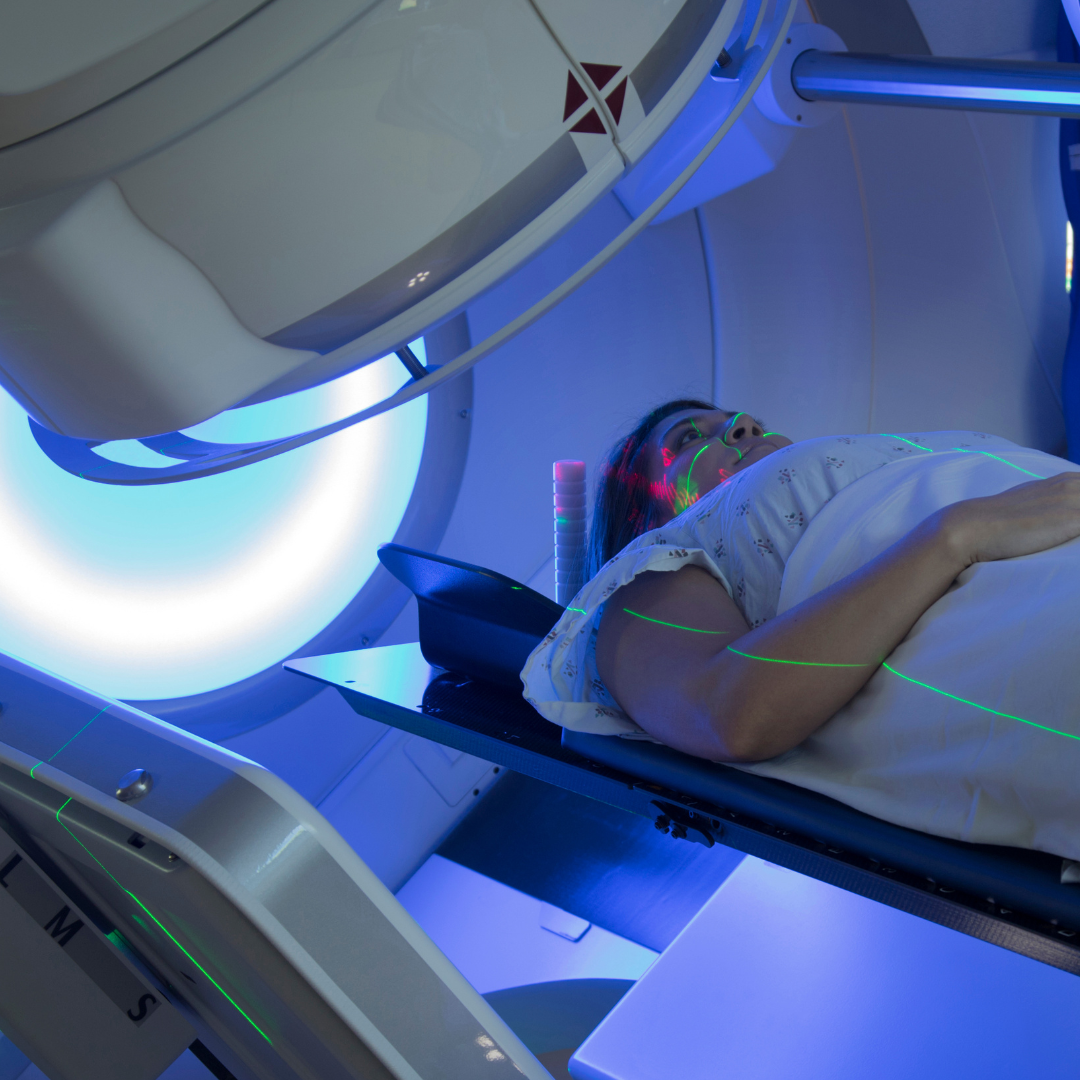
Historically called radiosurgery, SRT requires no incision, no burr holes, and no implants. While FUS destroys tissue instantly with intense heat, SRT uses targeted, high precision radiation beams. The actual appointment is remarkably brief and straightforward. The person rests on a table wearing a custom moulded mask to keep the head steady within half a millimetre. The machine then glides quietly around the room, directing radiation into the exact trouble spot during a twenty minute session. Dr Thomas likened the quiet, mechanical movement to an unexciting roller coaster. Once finished, people simply get up and head home to get on with their day.
The fundamental difference with SRT lies in its timing and mechanism. Radiation does not obliterate tissue instantly. Instead, a microscopic scar slowly develops in the targeted circuit over several weeks, with tremor relief kicking in gradually between four and eight weeks post treatment.
This slower, incision free profile makes SRT an invaluable option for people who cannot undergo the other two procedures. It is ideal for individuals on essential blood thinners that cannot be stopped for DBS surgery, people whose heart conditions make anaesthesia risky, or those who struggle to stay motionless for extended periods in tight MRI tunnels. It also bypasses a key limitation of FUS, which requires specific skull bone density to allow sound waves through.
The boundaries are just as clear cut. SRT is almost strictly a tremor therapy; it does not alleviate stiffness or slowness. Because it relies on radiation scarring, it cannot be adjusted or turned off after the fact, and treatment is typically confined to one side of the body.
Ultimately, these three tools give modern neurology a spectrum of intervention. DBS provides the most flexible, comprehensive motor symptom relief for those willing to accept implanted hardware. FUS delivers instantaneous tremor relief without incisions. SRT provides a silent, gentle, non surgical escape hatch for individuals where traditional surgery or ultrasound simply are not safe options.
Comments (0)
Loading comments...