


Understanding how levodopa creates lasting brain changes and continuous movement control in early Parkinson's
September 1, 2026
 Beatrice
When people start taking levodopa, the general impression is that the medication works like a clockwork top up, kicking in shortly after swallowing a dose and wearing off a few hours later. However, detailed medical evidence reviewed by Dr Giorgia Sciacca at Policlinico University Hospital in Catania shows that the medicine works on two completely separate levels. Beside the short boost from each tablet, the brain builds an enduring foundation of symptom control that lasts for days, and sometimes even weeks.
This deeper layer of benefit is known in neurology as the long duration response. It is present right from the very start of treatment and accounts for between 50% and 65% of the overall movement improvement someone experiences. Because this background stability never wears off overnight, it often remains unnoticed during regular daily routines, yet it forms the true bedrock of mobility in the early stages of Parkinson's.
Understanding how this lasting response works explains why early treatment feels so steady. A single tablet clears from the bloodstream relatively quickly, creating what doctors call the short duration response. If that were the only effect at play, physical symptoms would plunge dramatically between doses. The long duration response prevents this drop by creating a smooth plateau of control that carries someone through the night and into the next morning without sudden dips.
The underlying biology shows that this steady cushion is not just dopamine floating around in the brain. Instead, continuous therapy encourages neuroplasticity, which is the brain's natural ability to remodel and strengthen its communication circuits. Regular exposure to levodopa changes the excitability of the motor cortex, the region that plans and directs physical actions. In simple terms, the brain uses this consistent chemical support to relearn coordinated movement and maintain those pathways over time.
Clinical studies highlight a powerful synergy between this brain adaptation and physical movement. When someone successfully establishes a long duration response and pairs it with regular physical exercise or motor learning routines, the neurological improvements multiply. The medicine primes the brain circuits, making physical training significantly more effective at embedding smoother movement habits.
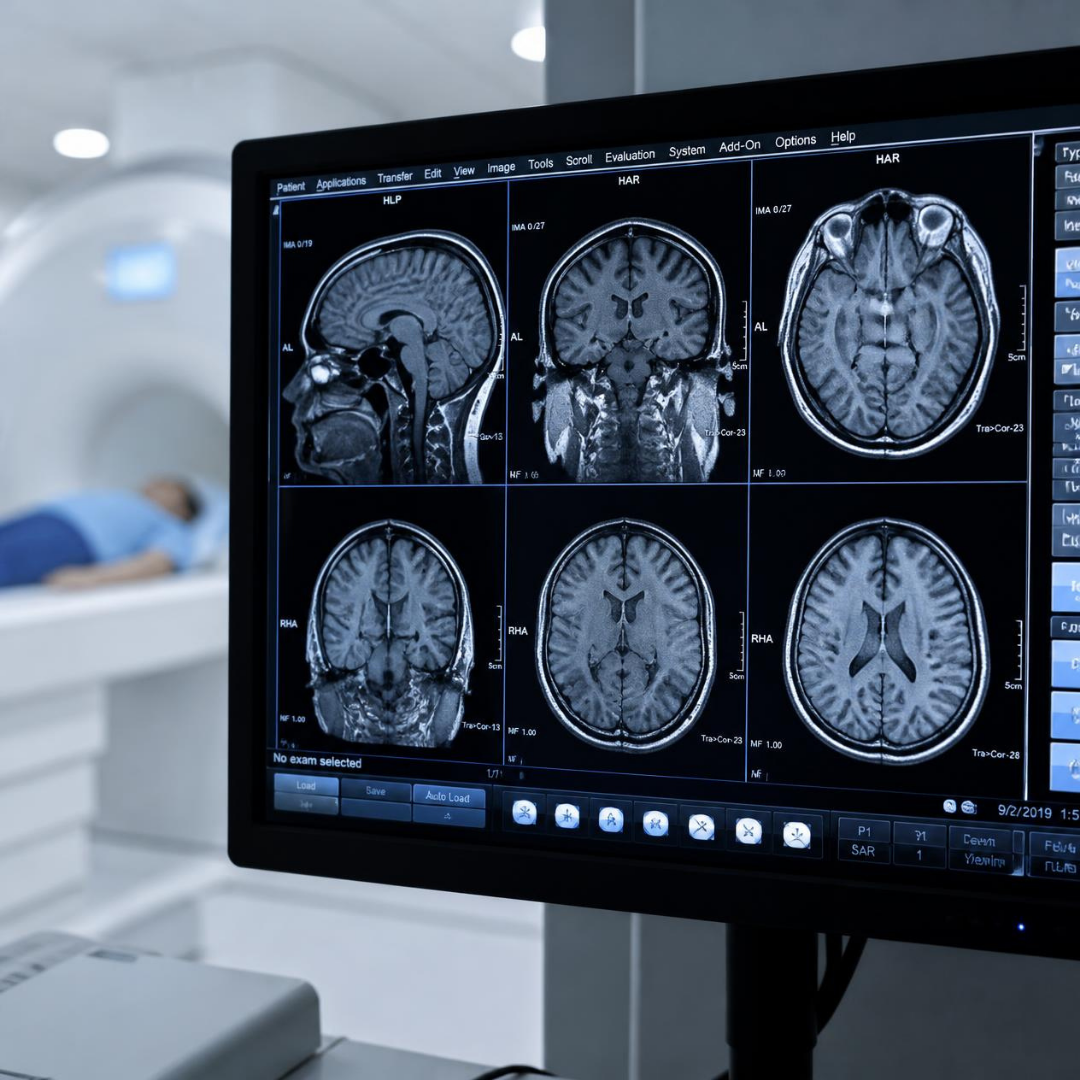
Brain imaging also reveals why people experience varying degrees of benefit. Structural brain scans show that the volume and health of grey matter within specific areas of the motor cortex influence how strongly an individual builds this lasting response. When these brain areas possess robust structural reserves, the foundation forms quickly and provides strong, stable support.
Crucially, this background improvement happens without triggering involuntary movements such as dyskinesia. Involuntary movements are almost exclusively tied to the quick peaks of individual medication doses rather than this slow, steady baseline.
These findings carry major implications for everyday care and future research. Recognising that levodopa actively supports brain circuitry rather than acting as a simple temporary patch reinforces the value of consistent daily routines. For researchers designing clinical trials to test therapies that might slow progression, measuring this hidden long duration response ensures that lasting drug effects are not mistaken for permanent disease changes. For individuals managing the condition, it provides reassuring evidence that the brain retains a remarkable capacity to adapt, learn, and maintain control.
Comments (0)
Loading comments...