


The "Fat" Signal: How Your Gut Bacteria Might Be Rewiring Your Brain
January 5, 2026
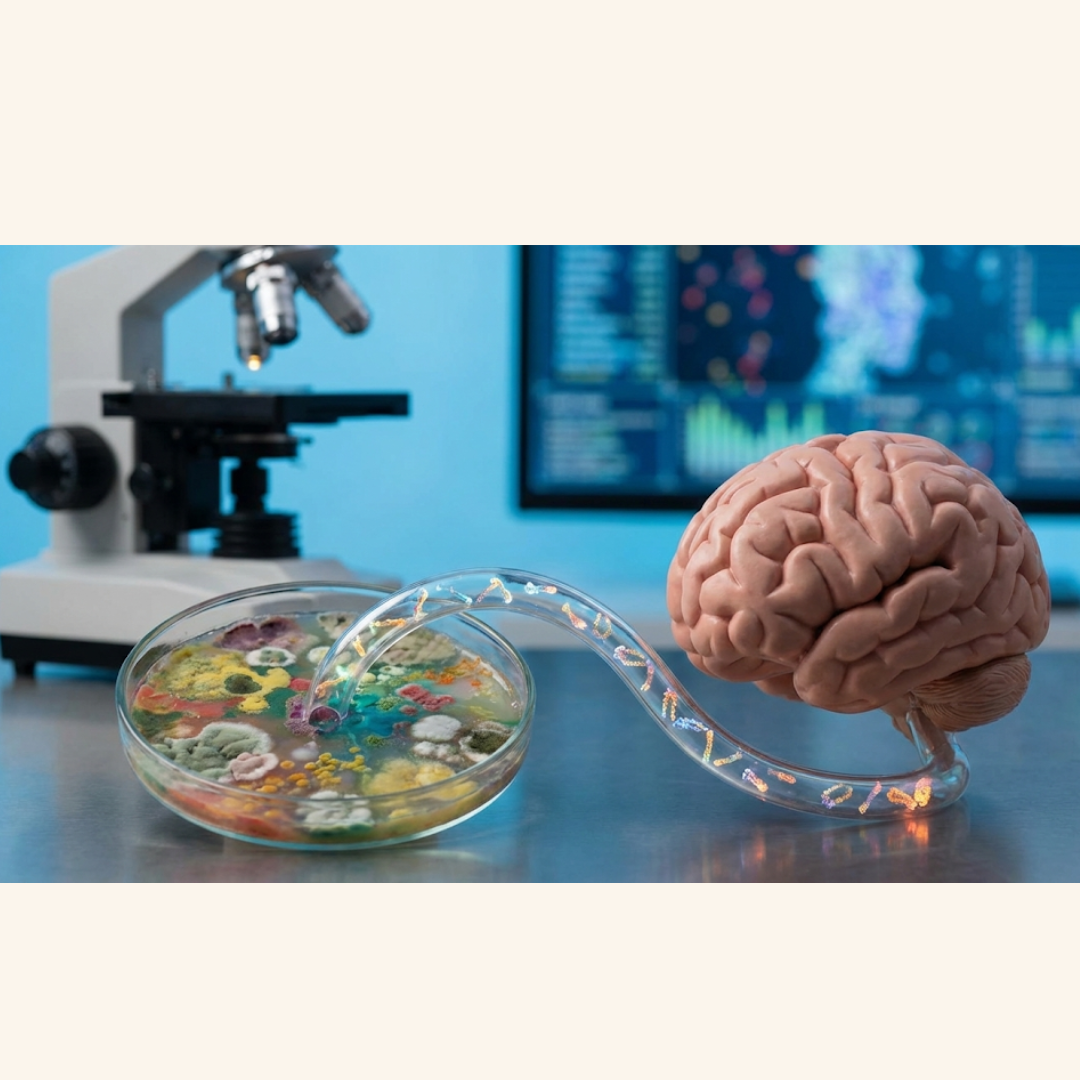
We have all heard the phrase "trust your gut," usually when making a somewhat dubious decision. But a fascinating new piece of research suggests that our intestines are doing a lot more than just digesting lunch and giving us vague intuitions. Scientists have traced a direct chemical pathway—a literal "fatty highway"—that allows the bacteria in our digestive system to talk directly to, and potentially alter, the brain.
For years, the "gut-brain axis" has been the buzziest topic in neuroscience. We knew there was a connection. We knew that people with anxiety, depression, and neurodegenerative conditions often suffered from chronic digestive issues. But knowing there is a connection is very different from understanding how the message gets delivered. A study recently highlighted by PsyPost has effectively tapped the phone line, identifying specific fat molecules called sphingolipids as the messengers.
Here is the science in plain English. Your gut is home to trillions of bacteria. Most are friendly tenants that help break down food. However, this study reveals that these microscopic residents are also chemical factories producing sphingolipids. While our human cells produce these fats too, the bacterial versions are slightly different. The researchers discovered that these bacterial fats do not simply stay in the colon. They migrate. They enter the bloodstream, travel up to the brain, and—crucially—they seem to have a VIP pass to cross the blood-brain barrier.
Once inside the brain, these foreign fats start pulling levers. The study found that high levels of these bacterial lipids were linked to distinct changes in neural activity, specifically in regions controlling emotion and behaviour. In animal models, an overload of these specific fats led to increased anxiety and social withdrawal. It provides a biological blueprint for how a disrupted microbiome (dysbiosis) can translate directly into a disrupted mood.
For those living with Parkinson's, this research is particularly resonant. We have long known that the gut is often "Ground Zero" for the condition, with symptoms like constipation frequently appearing years before the first tremor. Current theories suggest that the misfolded alpha-synuclein protein might travel from the gut to the brain via the vagus nerve. This new research suggests there is a second front in this war: a chemical route where bacterial by-products might be fanning the flames of neuroinflammation.
This is not to say that eating a yoghurt will cure a neurological condition overnight. However, it does validate the immense focus placed on diet and gut health in recent years. If the bacteria in your belly are manufacturing chemicals that affect your brain, then what you feed those bacteria becomes a matter of neurology, not just nutrition. It reinforces the idea that a diet rich in fibre and plant diversity is essentially a peace treaty with the colonies of bacteria that help run your system. The "second brain" in our belly is clearly speaking, and science is finally learning how to translate the language.
Comments (0)
Loading comments...